
The Hidden Washing Machine Filter You Must Clean Every Month
Do you ever pull freshly washed clothes out of your laundry drum only to realize they do not smell as…
04/08/2026 13:19
Fresh strawberries are one of the most loved summer fruits across the world. Vibrant, juicy, and naturally sweet, they make a perfect snack, smoothie base, or dessert topping. However, social media videos showing tiny bugs and insect eggs emerging from strawberries after a saltwater soak have left many berry lovers shocked and hesitant to eat their favorite fruit.
If you have ever noticed small white specks, tiny larvae, or small clusters of eggs on your fresh fruit, you might wonder whether your fresh produce is safe to consume or if you should throw it away immediately.
In this comprehensive guide, you will learn everything you need to know about cleaning fresh strawberries, understanding what those tiny organisms are, and implementing the best fruit-washing techniques to keep your food clean, delicious, and fresh.
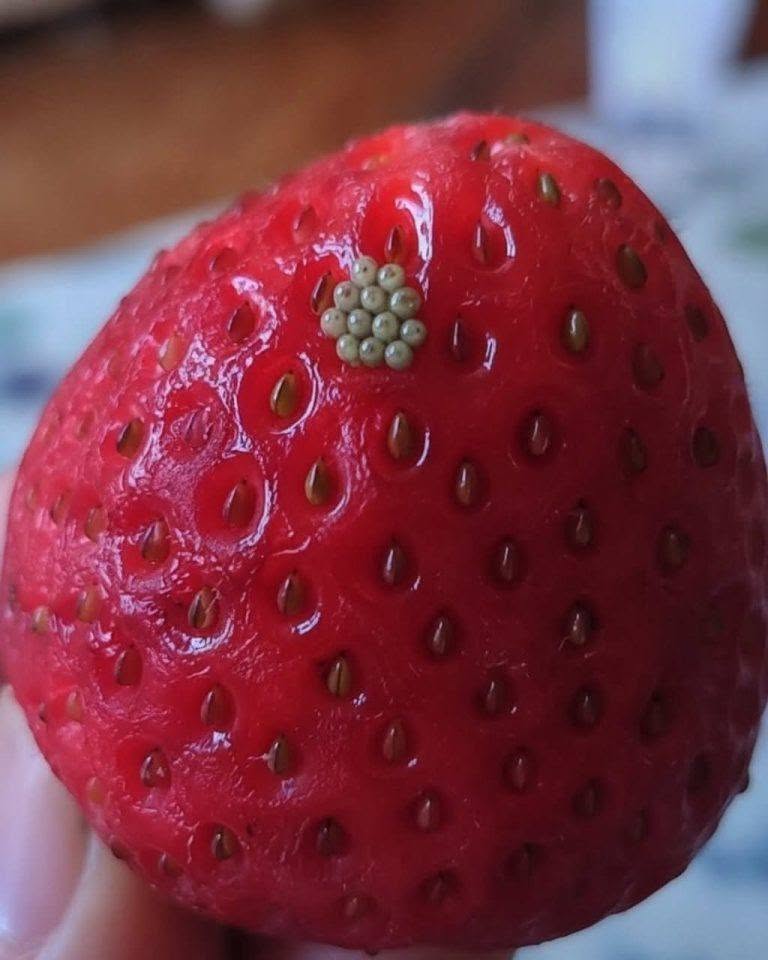
Over the past few years, a viral trend took over social platforms showing people soaking freshly bought strawberries in warm saltwater for 10 to 30 minutes. Within minutes, tiny white organisms and microscopic larvae appeared on the surface of the fruit, wiggling out from the microscopic crevices of the skin.
While this visual revelation shocked millions of viewers, agricultural experts and food safety specialists were quick to reassure consumers. Finding small insects or tiny natural organisms on field-grown produce is completely normal and an inherent part of natural agriculture.
Strawberries grow close to the ground in moist, open farm fields. Because they have tender skin, tiny natural pores, and exterior seeds, they offer an ideal environment and natural food source for small field insects.
The most common insect associated with fresh berries is the Spotted Wing Drosophila (SWD), a type of tiny fruit fly that lays microscopic eggs inside soft-skinned ripening fruits like strawberries, raspberries, blueberries, and blackberries.
When you submerge fresh berries in a saltwater solution, the high salinity creates an uncomfortable osmotic environment for small insects hiding near the surface. To escape the salt solution, the tiny larvae crawl out to the exterior skin of the fruit where they become visible.
Here is a quick overview of what you might encounter on fresh berries:
Spotted Wing Drosophila Larvae: Tiny, almost translucent white worms that measure less than two millimeters in length. They feed on fruit sugars and are non-poisonous.
Insect Eggs: Small round or oval clusters attached to the outer skin. These are often laid by common field insects such as stink bugs, moths, or harmless garden flies.
Thrips and Mites: Very small garden pests that feed on plant sap and fruit surfaces.

The short answer is yes. Finding small insects or larvae on fresh fruit may be unappealing, but it is not dangerous.
According to global agricultural standards and food safety organizations:
No Harmful Microbes: Field fruit flies and garden bugs do not transmit human pathogens or diseases.
Natural Farming Standard: Organic and sustainably grown produce often carries slightly more natural field insects because farmers use fewer synthetic chemical treatments.
Accidental Consumption Is Safe: Humans have consumed fresh produce containing microscopic insects for thousands of years without negative health impacts.
However, proper washing is always recommended to improve hygiene, remove natural dirt, eliminate field dust, and remove residual agricultural treatments.
Saltwater is an effective, natural way to force tiny hidden insects out of fresh berries.
Osmotic Pressure: The saline concentration alters the surrounding fluid density, forcing tiny organisms out of hidden spaces.
Natural Irritant: Salt acts as a gentle, safe natural irritant to soft-bodied insects without relying on harsh household chemicals.
While saltwater removes insects effectively, there are two potential downsides:
Flavor Alteration: Soaking berries in salt water for too long can leave a faint salty taste on the fruit.
Texture Softening: Prolonged immersion in water can cause soft berries to absorb moisture, leading to faster spoiling if not consumed immediately.
To ensure your berries are thoroughly cleaned while preserving their sweet flavor and firm texture, follow these expert-tested cleaning methods.
A mild vinegar bath is the preferred method for many culinary professional kitchens. Vinegar neutralizes surface bacteria, removes fine dust, and gently dislodges field insects without leaving a salty lingering taste.
Ingredients Needed:
4 cups of cold fresh water
1 cup of white distilled vinegar or apple cider vinegar
Instructions:
Mix the cold water and distilled vinegar in a clean mixing bowl.
Submerge the unwashed strawberries in the vinegar bath.
Allow the fruit to sit undisturbed for 5 to 7 minutes.
Swirl the berries gently with your hand to help release surface dirt and tiny debris.
Transfer the berries to a colander and rinse thoroughly under cool running water.
Gently pat the berries completely dry using clean paper towels.
If your primary goal is to ensure no hidden larvae remain in your berries, the saltwater method is ideal.
Ingredients Needed:
4 cups of lukewarm water
1 tablespoon of fine sea salt or table salt
Instructions:
Dissolve 1 tablespoon of salt into warm water, then allow the mixture to cool to room temperature.
Place the strawberries into the saltwater solution.
Let them soak for 10 minutes (do not exceed 15 minutes to avoid altering flavor).
Rinse the berries thoroughly under cold running tap water to remove all salt residue.
Dry the berries completely before serving or storing.
Scientific studies indicate that baking soda dissolved in water is highly effective at removing surface pesticide residues from fresh produce skin.
Ingredients Needed:
4 cups of cold water
1 teaspoon of baking soda
Instructions:
Dissolve 1 teaspoon of baking soda into cold water.
Add your strawberries and soak them for 10 to 12 minutes.
Rinse the berries thoroughly under cold running water while gently rubbing their surfaces.
Pat completely dry with a paper towel.
| Cleaning Method | Best Used For | Soak Time | Impact on Flavor | Impact on Shelf Life |
| Vinegar Bath | Bacteria & Mold Removal | 5–7 minutes | None (when rinsed) | Extends shelf life |
| Salt Water Soak | Insect & Larvae Removal | 10 minutes | Slightly salty if not rinsed well | Neutral |
| Baking Soda Soak | Surface Residue Removal | 10–12 minutes | None | Neutral |
| Plain Tap Water | Quick Dirt Removal | 30 seconds | None | Reduces shelf life if stored wet |
Proper cleaning is only half the battle; knowing how to store your strawberries properly ensures they remain fresh, firm, and delicious for up to a week or more.
Moisture is the primary cause of mold growth on fresh berries. Always store your strawberries unwashed in the refrigerator and wash them right before you plan to eat them.
Leaving the green leafy caps (calyx) attached prevents moisture from penetrating the interior fruit tissue, keeping the berry firm for longer.
Store berries in a container lined with paper towels to absorb excess moisture. Keep the lid slightly ajar or use a perforated container to allow proper air circulation.
Inspect your berry container regularly. A single moldy strawberry can quickly spread mold spores to adjacent healthy fruit.
No, you do not need to discard the whole batch. Simply wash off the egg cluster using a soft brush under running water or use the saltwater soak method to remove all surface debris.
Not at all. As long as you rinse the strawberries thoroughly with fresh cold water after the vinegar soak, no vinegar flavor will remain.
Yes! Wash the berries, remove the green stems, pat them completely dry, and place them on a baking sheet in a single layer to freeze. Once solid, transfer them into an airtight freezer bag.
Finding tiny insects or egg clusters on fresh strawberries can be surprising, but it is a natural occurrence in fresh agriculture. With simple household ingredients like vinegar, salt, or baking soda, you can easily clean your berries, eliminate unwanted bugs, and enjoy your fruit with complete peace of mind.
Do you ever pull freshly washed clothes out of your laundry drum only to realize they do not smell as…
Fresh strawberries are one of the most loved summer fruits across the world. Vibrant, juicy, and naturally sweet, they make…
Every parent knows the feeling of discovering forgotten items in a teenager’s room. From missing socks to old school assignments,…
The idea sounds almost unbelievable: milk from cockroaches could one day become one of the world’s most nutrient-dense foods. Although…

Many travelers tie a colorful ribbon, scarf, or piece of fabric to their luggage so it stands out on the…
After carefully reviewing the couple’s daily habits, doctors identified an unexpected culprit: a refrigerator packed with old food that was…