
Small White Spots on Arms and Legs: Causes, Treatments, and Prevention
Discover what causes small white spots on skin and how to care for them easily. Have you ever looked down…
04/08/2026 16:39
The idea sounds almost unbelievable: milk from cockroaches could one day become one of the world’s most nutrient-dense foods.
Although it may sound like science fiction, researchers have spent years studying a unique substance produced by a specific species of cockroach. Their findings have sparked global curiosity and raised an intriguing question: Could cockroach milk become the superfood of the future?
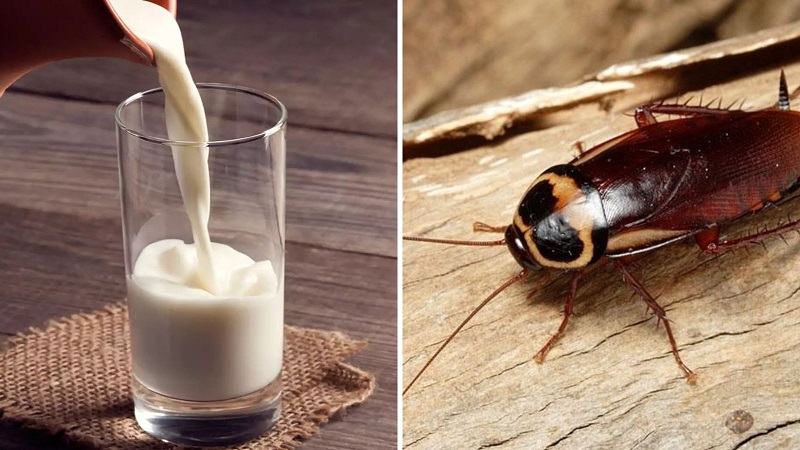
Despite its name, cockroach milk isn’t “milk” in the traditional sense.
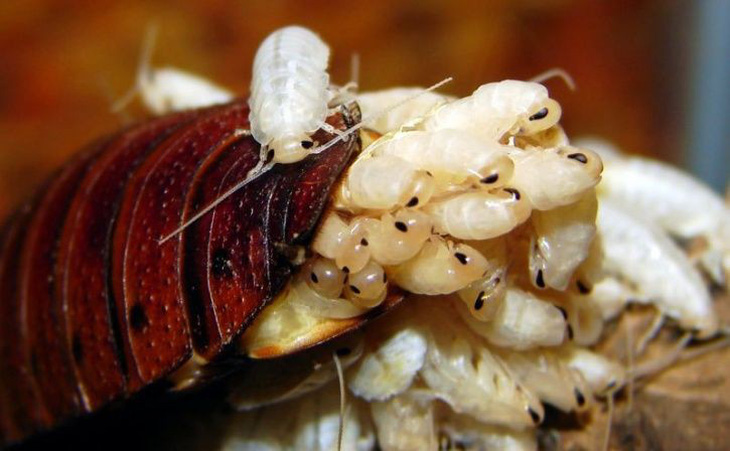
It isn’t collected from mammary glands like cow’s milk. Instead, it refers to protein-rich crystals produced inside the digestive system of the developing offspring of a particular cockroach species called Diploptera punctata, also known as the Pacific beetle cockroach.
Unlike most cockroaches, this species gives birth to live young instead of laying eggs. The mother nourishes her offspring with a special nutrient-rich liquid. As the embryos digest this liquid, it forms tiny protein crystals that act as an extremely concentrated food source.
These crystals are what scientists commonly refer to as cockroach milk.
Researchers discovered that these protein crystals contain an impressive combination of nutrients, including:

Laboratory analysis suggests the crystals provide roughly three to four times the energy density of an equivalent amount of cow’s milk, making them one of the most calorie-dense natural foods ever studied.
More importantly, the protein contains all of the essential amino acids required by the human body, something relatively uncommon in a single natural food source.
Because of this remarkable nutritional profile, scientists believe the substance deserves further investigation as a potential future food ingredient.
Not exactly.
Many headlines claim cockroach milk is “four times better than cow’s milk.” That’s an oversimplification.
The research actually shows that the protein crystals contain much higher energy density than cow’s milk—not that they are healthier in every way or suitable as a direct replacement.
Cow’s milk remains an excellent source of calcium, vitamin B12, vitamin D (when fortified), and other nutrients that cockroach milk has not been shown to provide.
Scientists are studying cockroach milk because of its unique nutritional properties—not because it has been proven superior for human health.
At the moment, no.
Cockroach milk is not commercially available, and no one is milking cockroaches for human consumption.
Extracting these protein crystals directly from insects would be incredibly slow, expensive, and impractical. Each cockroach produces only a tiny amount, making large-scale production virtually impossible using traditional methods.
Instead, researchers are exploring whether the same proteins could eventually be produced using biotechnology or fermentation without relying on large numbers of insects.
That’s one of the biggest unanswered questions.
Although laboratory studies have demonstrated the impressive nutritional composition of the protein crystals, scientists still need to determine:
Until more research is completed, cockroach milk remains an experimental subject rather than a food product.
As the world’s population continues to grow, scientists are searching for sustainable ways to produce more nutritious food with fewer environmental resources.
Alternative proteins—from insects to algae to lab-grown foods—are receiving increasing attention because they may require less land, water, and energy than traditional livestock farming.
Cockroach milk has become part of that conversation because of its exceptionally concentrated nutrition, even though commercial production remains a distant possibility.
Cockroach milk is one of the most unusual discoveries in modern food science.
Research suggests the protein crystals produced by Diploptera punctata are extraordinarily nutrient-dense and may contain three to four times the energy of an equivalent amount of cow’s milk, along with complete proteins and essential amino acids.
However, this does not mean cockroach milk is currently better than cow’s milk or ready for human consumption. It remains an experimental area of research, and many questions about safety, production, and practicality still need to be answered.
For now, cockroach milk isn’t the next drink you’ll find in your grocery store—but it is a fascinating glimpse into how future nutrition could look as science continues to explore new ways to feed a growing world.
Discover what causes small white spots on skin and how to care for them easily. Have you ever looked down…

Dementia does not usually appear overnight. In many people, the condition develops gradually, with subtle changes that may begin months…

If you have ever baked, roasted, or pan-seared a chicken breast only to discover a milky white, slightly rubbery substance…

Most modern bathrooms feature a dual-flush toilet system equipped with two distinct buttons at the top of the tank. While…

Do you ever pull freshly washed clothes out of your laundry drum only to realize they do not smell as…
Fresh strawberries are one of the most loved summer fruits across the world. Vibrant, juicy, and naturally sweet, they make…