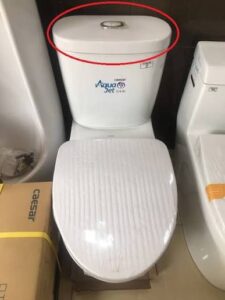
The Hidden Purpose of Dual Flush Toilet Buttons You Need to Know
Most modern bathrooms feature a dual-flush toilet system equipped with two distinct buttons at the top of the tank. While…
04/08/2026 15:01
Do you ever pull freshly washed clothes out of your laundry drum only to realize they do not smell as clean as they should? Many homeowners face this frustrating problem every single day without realizing that the root cause sits inside the machine itself. Most modern automatic washers come equipped with a tiny internal component designed to trap lint, hair, debris, and fabric fibers during the wash cycle. Over time, this small mechanism accumulates heavy build-up, turning into a breeding ground for stale moisture and trapped residue. When neglected, it prevents proper water circulation and spreads unpleasant scents across your entire wardrobe.
Learning how to locate, remove, and sanitize this component takes less than five minutes, yet it drastically improves laundry performance and extends the lifespan of your appliance. In this comprehensive guide, you will discover the exact step-by-step process to maintain your washer filter, essential preventative habits for long-term freshness, and simple troubleshooting steps to keep your laundry routine running smoothly.
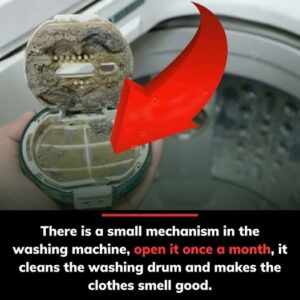
Modern laundry appliances move water through complex internal channels to pull dirt away from fabrics. During each cycle, tiny pieces of thread, hair, soap residue, and loose debris detach from garments. To prevent these particles from clogging the drain pump or reattaching to garments, manufacturers install a specialized mesh trap or pump filter.
Because this compartment constantly holds standing water and trapped organic matter, it creates a dark, humid environment. When left unchecked for several weeks, residual detergent combines with organic lint, creating a thick layer of grime. Every new wash cycle then forces clean water through this buildup, transferring unwanted odors directly back onto your garments.

Neglecting basic appliance maintenance leads to more than just bad smells; it directly impacts your household budget. When an internal screen becomes clogged:
The Drain Pump Works Harder: The electric motor experiences increased strain while trying to push water through blocked passages.
Energy Consumption Rises: Extended cycle times translate directly into higher electricity usage.
Appliance Lifespan Decreases: Premature wear on pump seals and internal valves often results in expensive repair calls or early replacement.
By setting aside five minutes each month to clean this single component, you protect your investment, maintain peak efficiency, and avoid unnecessary service calls.
Depending on whether you own a top-loading or front-loading model, the location of the trap varies:
Top-Loading Models: Look inside the inner wall of the stainless steel drum. You will typically find one or two plastic mesh cartridges snapped onto the side casing or built directly into the central agitator column.
Front-Loading Models: Check the bottom front panel on the exterior of the machine. There is usually a small square access door hiding a twist-off pump filter and a small emergency drain hose.

Before starting any maintenance, turn off the appliance power switch or disconnect the plug from the wall outlet.
Prepare the Area: Place a shallow tray and a dry microfiber towel directly beneath the access panel to catch residual water.
Detach the Assembly: For top-loaders, press the release tab on the plastic frame and lift the cartridge upward. For front-loaders, open the small panel door, unclip the emergency drain tube to release excess water into your tray, and carefully twist the main plug counterclockwise.
Remove Heavy Waste: Use your fingers or a soft paper towel to peel away the thick layer of accumulated lint and debris over a trash bin. Avoid rinsing heavy solids directly down your sink drain to prevent plumbing blockages.
Once the solid matter is removed, submerge the plastic housing and mesh screen in a basin filled with warm water and a few drops of standard dish liquid.
Use a soft-bristled toothbrush to gently scrub away stubborn soap film and hidden grime within the mesh openings.
Inspect the housing cavity inside the machine using a flashlight, wiping down the interior walls with a damp cloth soaked in equal parts water and liquid white vinegar.
Rinse the filter thoroughly under clear running water until no soap residue remains.
Reinsert the cleaned screen into its housing until you hear a firm click, or twist the front-loader plug clockwise until fully sealed. Ensure the exterior access door is securely closed before restoring power. Run a short rinse cycle without any garments to verify that there are no leaks around the housing.
Cleaning the screen filter once every thirty days forms the foundation of good appliance care, but combining this task with everyday habits guarantees long-term success.
Using too much washing powder or liquid product is one of the primary causes of residue accumulation. Modern high-efficiency machines require significantly less product than older models. Excess soap does not rinse away cleanly; instead, it leaves a sticky coating inside the outer drum, pipes, and filter mesh that captures stray lint and traps moisture.
Always leave the main door or lid cracked open by an inch or two after completing your daily laundry. Allowing air to circulate freely throughout the drum prevents residual humidity from settling, keeping internal surfaces completely dry between uses.
Liquid fabric softeners work by depositing a thin layer of silicone-based lubrication onto fabric fibers. Over time, this same coating builds up on the internal walls of your washing machine and clogs fine mesh traps. Consider substituting liquid softeners with standard white vinegar in the rinse compartment for a natural, residue-free softening alternative.
If you share your home with dogs or cats that shed frequently, check the trap every two weeks instead of monthly. Pet hair quickly binds with soap residue, filling up mesh screens faster than standard fabric lint.
Most modern bathrooms feature a dual-flush toilet system equipped with two distinct buttons at the top of the tank. While…
Do you ever pull freshly washed clothes out of your laundry drum only to realize they do not smell as…
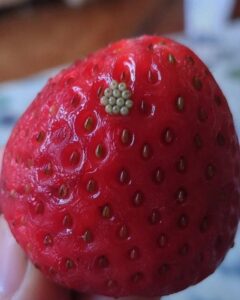
Fresh strawberries are one of the most loved summer fruits across the world. Vibrant, juicy, and naturally sweet, they make…

Every parent knows the feeling of discovering forgotten items in a teenager’s room. From missing socks to old school assignments,…
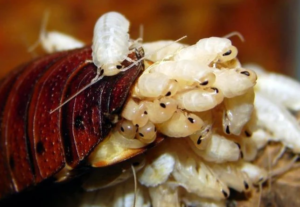
The idea sounds almost unbelievable: milk from cockroaches could one day become one of the world’s most nutrient-dense foods. Although…

Many travelers tie a colorful ribbon, scarf, or piece of fabric to their luggage so it stands out on the…