Many people focus on symptoms like:
- thirst,
- fatigue,
- or weight changes
when thinking about diabetes.
But according to health experts, the feet are often one of the first body parts to show warning signs of blood sugar problems.
Doctors explain that high blood sugar may gradually damage:
- nerves,
- blood vessels,
- and circulation,
especially in the lower legs and feet.
For this reason, some specialists even call the feet:
“a natural blood sugar meter.”

12 Foot Symptoms That May Be Linked To Diabetes
1. Numbness In The Feet
One of the most common early signs is reduced feeling or numbness caused by nerve damage.
People may feel:
- less sensitivity,
- tingling,
- or “pins and needles.”
2. Burning Or Tingling Sensation
Some people experience:
- burning pain,
- electric-shock feelings,
- or unusual tingling at night.
Doctors say this may be related to diabetic neuropathy.
3. Constantly Cold Feet
Poor circulation caused by high blood sugar may reduce blood flow to the feet, making them feel cold even in warm environments.
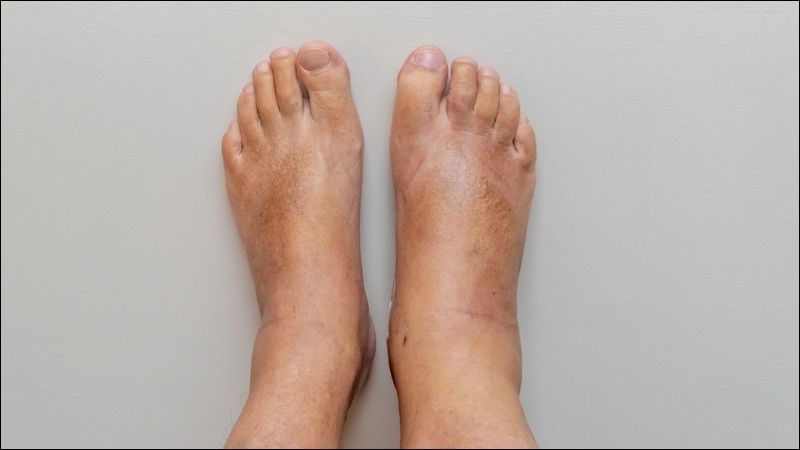
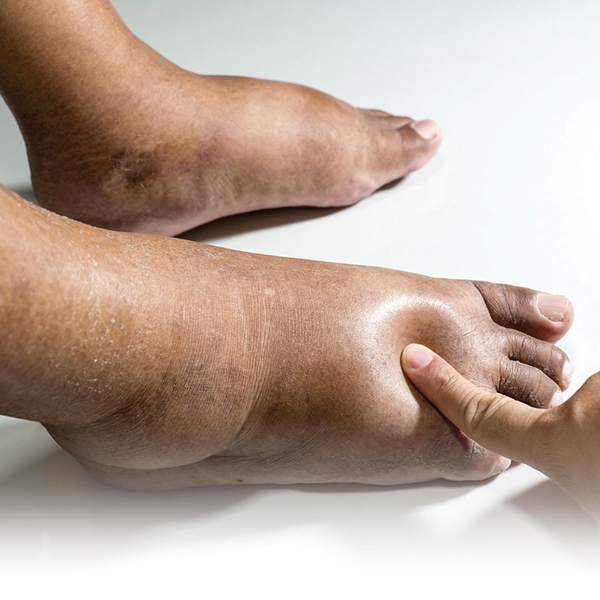
4. Swollen Feet Or Ankles
Fluid retention and circulation problems may cause swelling in the lower legs and feet.
5. Dry, Cracked Skin
High blood sugar may reduce moisture in the skin, causing:
- cracking,
- peeling,
- or rough heels.
Severe cracks may increase infection risk.
6. Slow-Healing Wounds
Doctors warn that cuts or blisters that heal very slowly may be an important warning sign.
Diabetes can reduce the body’s ability to repair tissue properly.
7. Frequent Foot Infections
High blood sugar may weaken immune defenses, increasing the risk of:
- fungal infections,
- skin infections,
- and infected wounds.
8. Foot Pain While Walking
Pain or cramping during walking may suggest circulation problems linked to diabetes.
9. Skin Color Changes
Feet may appear:
- darker,
- reddish,
- pale,
- or bluish
due to blood flow issues.
10. Thickened Or Yellow Toenails
Fungal nail infections are more common in people with poorly controlled blood sugar.
11. Loss Of Hair On The Legs
Reduced circulation may cause hair growth on the legs and feet to decrease.
12. Foot Ulcers
Doctors consider diabetic foot ulcers one of the most serious complications because untreated wounds may lead to severe infection.
Doctors Stress Early Detection Matters
Health experts emphasize that these symptoms do not automatically mean someone has diabetes.
However, persistent foot problems combined with:
- excessive thirst,
- frequent urination,
- fatigue,
- blurred vision,
- or unexplained weight changes
should not be ignored.
Blood sugar testing may help detect problems early before complications worsen.
Final Thought
Doctors say many people overlook their feet entirely —
until symptoms become severe.
But sometimes, the feet quietly reveal what is happening inside the body long before serious complications appear.