
Why a Weekly Vinegar Foot Soak Is Becoming a Popular Self-Care Routine
Why a Weekly Vinegar Foot Soak Is Becoming a Popular Self-Care Routine In recent years, simple home wellness habits have…
18/05/2026 13:53
Are you or a loved one exploring options for lasting digestive comfort? Medical choices involving internal organs require careful thought. While many individuals undergo a cholecystectomy (the surgical removal of the gallbladder) without long-term issues, it is essential to understand the biological changes that follow. This guide explores how your body adapts when a key digestive organ is removed and highlights three conditions that can arise during this transition.
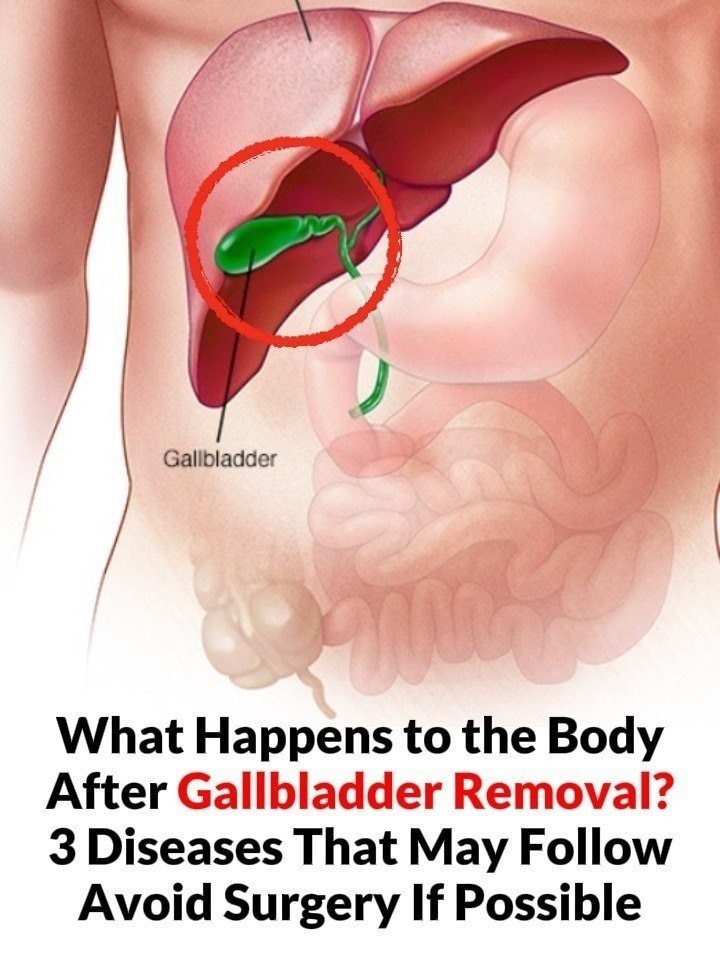
To understand the long-term impact of losing an organ, it helps to look at how your upper digestive system functions as a team. Your liver, stomach, and small intestine work together seamlessly to process the food you eat.
[Liver Creates Bile] ──> [Gallbladder Stores/Concentrates It] ──> [Released to Small Intestine During Meals]
The gallbladder serves as a specialized holding tank for bile, a fluid produced by the liver that breaks down dietary fats. When you eat a meal containing lipids, your small intestine releases hormones that signal this small organ to contract, sending a concentrated dose of bile down the common bile duct to emulsify fats for easy absorption.
When this holding pouch is surgically removed, your liver does not stop making bile. Instead, the continuous flow mechanism changes entirely:
Continuous Trickle: Without a storage unit, bile constantly drips directly from the liver into the small intestine, regardless of whether there is food to digest.
Diluted Potency: The bile entering your gut is less concentrated than before, which can alter how efficiently your body breaks down large or heavy meals.
Altered Motility: This steady chemical drip can irritate the sensitive mucosal lining of your intestinal tract, speeding up or disrupting normal waste elimination.
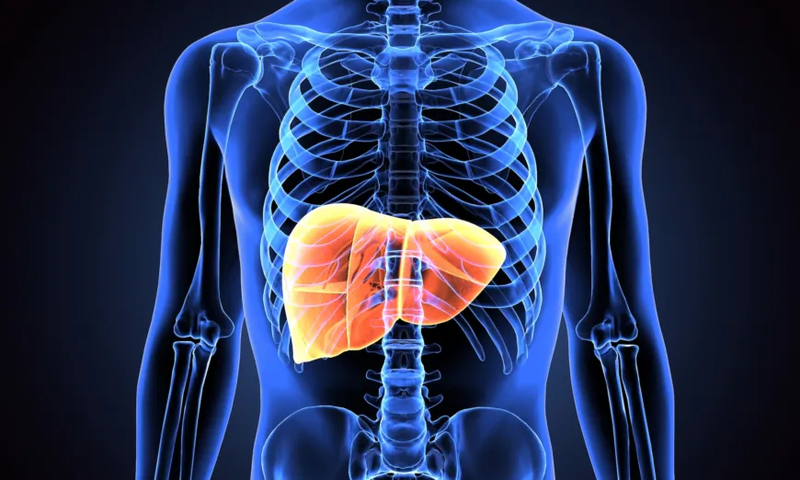
While many people adapt smoothly to these physiological changes, a significant number of individuals experience ongoing digestive shifts. Medical professionals classify these persistent symptoms under a broad umbrella known as Post-Cholecystectomy Syndrome (PCS).
Below are three specific conditions that can surface when your body loses its primary bile regulator.
One of the most frequent complaints following surgery is a sudden shift in bowel habits, specifically frequent, watery stools. This condition is often diagnosed as Bile Acid Malabsorption (BAM) or Bile Acid Diarrhea (BAD).
The Mechanism: Because bile acids flow continuously into the colon instead of being reabsorbed in the lower part of the small intestine, they act as a natural laxative. They stimulate fluid secretion and accelerate muscle contractions within the large bowel.
The Impact: This can lead to urgent bathroom visits, abdominal cramping, and unpredictable digestive patterns, particularly after eating meals rich in oils or complex fats.
Most people are familiar with acid reflux, where stomach acid flows upward into the esophagus. However, a different type of backflow can occur when your biliary architecture is altered.
The Mechanism: When bile accumulates continuously in the duodenum (the first section of the small intestine), it can slip past the pyloric valve and enter the stomach. In some cases, it travels further up into the esophagus.
The Impact: Unlike stomach acid, bile is a highly alkaline fluid. When it enters areas not designed to handle it, it causes deep, gnawing abdominal pain, nausea, and occasional vomiting of a greenish-yellow fluid. This condition requires careful management, as regular tissue irritation can cause long-term discomfort.

Because the bile entering your digestive tract is no longer timed to match your food intake, your ability to break down and utilize lipophilic (fat-soluble) nutrients can become compromised.
Fat-Soluble Vitamin Depletion: Your body relies heavily on concentrated bile to absorb Vitamins A, D, E, and K. Over time, a sub-optimal digestive process can lead to subtle deficiencies in these crucial micronutrients.
Essential Fatty Acid Shortages: Healthy fats like Omega-3 and Omega-6 are vital for brain health, joint lubrication, and cellular repair. If your system cannot break these fats down properly, they may pass through your system unused, leaving your body deprived of essential building blocks.
| Feature | System with Gallbladder | System Post-Removal |
| Bile Flow Timing | Released precisely during meals | Continuous, steady trickle |
| Bile Concentration | Highly concentrated and potent | Diluted, direct liver output |
| Fat Tolerance | High capacity for rich meals | Variable; requires portion awareness |
| Intestinal Transit | Balanced and regulated | Risk of accelerated or irregular movement |
If you are trying to preserve your natural anatomy, or if you have already undergone surgery and want to optimize your health, proactive lifestyle choices can make a profound difference.
Important Note: Always consult with a qualified medical professional before making major changes to your wellness routine or addressing severe abdominal symptoms.
Modifying how and what you eat can significantly ease the burden on your liver and intestinal tract:
Embrace Smaller, Frequent Meals: Consuming smaller portions throughout the day ensures that the steady trickle of diluted bile from your liver is sufficient to handle the food entering your system, reducing the risk of indigestion or irritation.
Prioritize Soluble Fiber: Foods rich in soluble fiber—such as oats, barley, psyllium husk, sweet potatoes, and carrots—act like a natural sponge. They bind to excess bile acids in your gut, preventing them from irritating your colon and reducing urgent bathroom trips.
Choose Clean, Easily Digestible Fats: Avoid heavily processed, fried, or low-quality oils. Instead, introduce small amounts of high-quality fats that are easier for your system to process, such as avocados, extra virgin olive oil, and wild-caught fish.
For those managing life after organ removal, specific dietary supplements can help restore equilibrium:
Purified Bile Salts: Taking a low-dose, high-quality bile supplement with fat-containing meals can replicate the natural concentrated release your body misses, improving nutrient absorption and reducing bloating.
Digestive Enzymes: Formulations that include high amounts of lipase can assist your small intestine in breaking down lipids cleanly, preventing undigested matter from causing discomfort down the line.
Fat-Soluble Vitamin Replenishment: Emulsified forms of Vitamins D3 and K2 are designed to be absorbed easily by bodies with altered digestive systems, helping you maintain optimal bone and immune health.
Your body is an interconnected network where every component plays a role. While surgical removal is sometimes an unavoidable necessity due to acute blockages or severe inflammation, understanding the long-term biological shifts empowers you to advocate for your wellness. By adjusting your nutritional habits, focusing on gut harmony, and working closely with your care team, you can achieve vibrant health and comfort at every stage of your journey.
Why a Weekly Vinegar Foot Soak Is Becoming a Popular Self-Care Routine In recent years, simple home wellness habits have…
Are you or a loved one exploring options for lasting digestive comfort? Medical choices involving internal organs require careful thought.…
A 54-year-old woman in China reportedly developed stomach ulcers after eating large amounts of raw ginger every day for three…
Many people believe adding salt is the first step to seasoning beef before cooking. But according to chefs and cooking…

Introduction: The Hidden Language of the Night Have you ever woken up in the middle of the night completely stretched…

The Power of Green Nutrition: How Leafy Vegetables Support Cellular Health and Longevity In the modern quest for optimal well-being,…