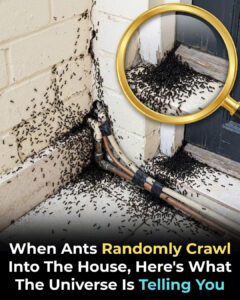
Why Ants Suddenly Appear in Your Home and What It Could Mean
Ants are tiny creatures most people ignore until they suddenly begin appearing everywhere. One day your kitchen is spotless, and the next, a long trail of ants quietly moves across the floor, near the windows, or around the doorway. For many homeowners, this experience feels strange, unexpected, and even unsettling.
While science explains ants through food sources, moisture, and environmental changes, many cultures and beliefs have attached deeper meanings to their sudden appearance. Across generations, people have viewed ants as symbols of persistence, warning signs of imbalance, or reminders to pay closer attention to their surroundings.
Whether you see ants as simple insects or meaningful symbols, one thing is certain: their appearance usually points to something that should not be ignored.
This article explores the practical reasons ants invade homes, the symbolic meanings people associate with them, and what you can do when they continue appearing again and again.
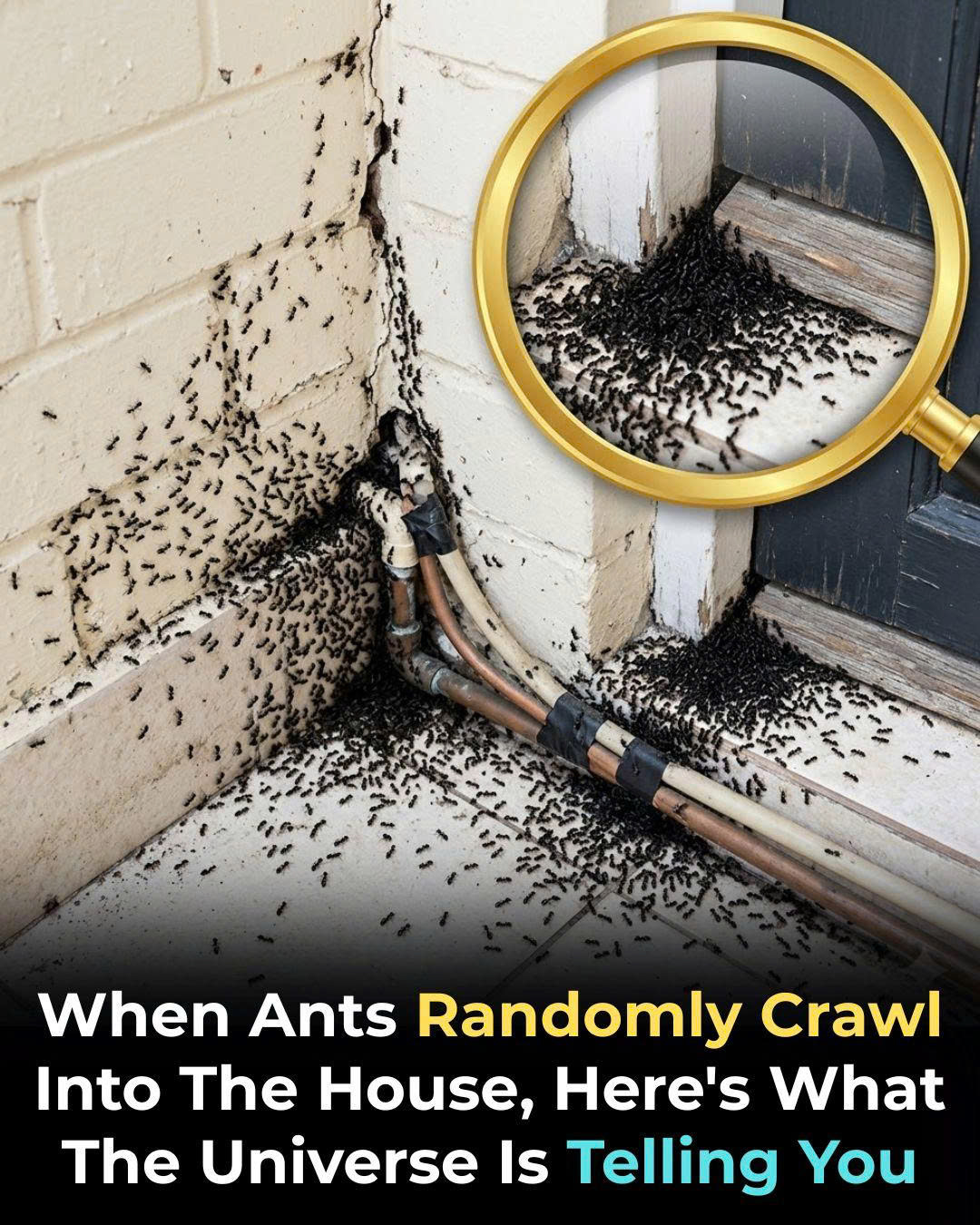
Why Ants Enter Homes So Easily
Ants survive by searching constantly for food, water, and shelter. Homes provide all three.
Even the cleanest house can unintentionally attract ants because these insects are highly sensitive to scent trails and environmental changes. Tiny crumbs, moisture under a sink, pet food, or even sweet-smelling products can become signals for nearby colonies.
Once a single ant finds a reliable source, it leaves a pheromone trail behind. That invisible chemical trail guides hundreds of others to the same location within hours.
Common reasons ants appear indoors include:
- Warm temperatures
- Rain forcing colonies to relocate
- Food crumbs and sugar residue
- Water leaks or humidity
- Cracks near doors and windows
- Seasonal nest expansion
- Outdoor colonies moving closer to buildings
In many cases, ants are not appearing “randomly.” They are reacting to changes you may not notice immediately.
The Hidden Intelligence of Ant Colonies

Ants are among the most organized creatures on Earth. Scientists have studied their behavior for decades because colonies function with incredible coordination.
Every ant has a role:
- Workers gather food
- Soldiers defend the nest
- Queens reproduce
- Scouts search for new resources
Together, ants operate almost like a single living system.
This level of cooperation is one reason many people connect ants with themes like:
- Discipline
- Hard work
- Survival
- Persistence
- Preparation
- Teamwork
When large numbers of ants suddenly appear, people often interpret the event emotionally because it feels deliberate rather than accidental.
The movement patterns, endless lines, and synchronized behavior can create a strangely eerie atmosphere inside a home.
Spiritual Beliefs About Ants in the Home
Throughout history, ants have carried symbolic meanings in different cultures.
Some traditions believe ants represent:
- Patience during difficult times
- A warning to become more organized
- The arrival of major changes
- Energy shifts within the home
- Financial focus or survival instincts
- Emotional overload building quietly over time
In folklore, repeated ant appearances were sometimes viewed as reminders that small problems should be addressed before becoming overwhelming.
This idea connects strongly with modern life.
Many people ignore stress, tension, clutter, emotional fatigue, or unhealthy habits until they slowly grow into something harder to manage. Ants often symbolize that exact pattern: tiny things multiplying quietly in the background.
Why People Feel Uncomfortable Around Ant Infestations
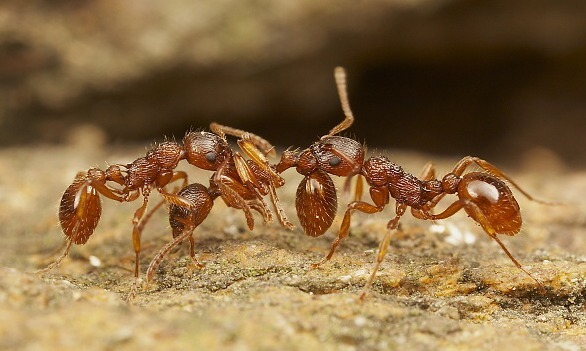
Even though ants are usually harmless, seeing large numbers indoors creates psychological discomfort.
There are several reasons for this reaction.
Loss of Control
People associate their homes with safety and stability. When ants begin invading walls, kitchens, bathrooms, or bedrooms, it creates a sense that something is slipping out of control.
Rapid Multiplication
Ants rarely appear alone. Their sudden numbers trigger instinctive alarm because the human brain reacts strongly to swarms and movement patterns.
Hidden Origins
Ants often emerge from cracks, drains, or invisible entry points. This creates mystery and uncertainty because homeowners cannot immediately identify where they are coming from.
Association With Neglect
Many people subconsciously connect infestations with disorder, even when the house is clean. This emotional connection can increase anxiety and frustration.
What Different Types of Ants May Indicate
Not all ants behave the same way. Different species are drawn to different environmental conditions.
Black Ants
Black ants are among the most common indoor ants. They usually search for sweets and moisture. Large numbers may indicate accessible food sources nearby.
Carpenter Ants
Carpenter ants tunnel through damp wood. Their appearance may suggest hidden moisture problems or structural damage.
Fire Ants
Fire ants are aggressive and typically found outdoors, but colonies can move closer to homes after heavy rain or environmental disruption.
Tiny Sugar Ants
These ants are strongly attracted to sweet foods and sugary residue. Kitchens are their favorite target.
Recognizing the type of ant can help identify the underlying cause of the invasion.
Why Ants Appear More During Certain Seasons
Ant activity changes throughout the year.
Spring
Colonies expand rapidly after colder months. Scouts search aggressively for food and nesting opportunities.
Summer
Hot weather increases movement and food gathering. Dry conditions can also push ants indoors searching for water.
Rainy Periods
Heavy rain floods underground nests, forcing colonies to relocate temporarily.
Fall
Ants begin collecting extra food before cooler weather arrives.
Because seasonal shifts affect insect behavior, sudden infestations often happen during weather transitions.
The Symbolism of Small Problems Growing Quietly
One reason ant imagery feels powerful is because it reflects how many real-life problems develop.
Very few major life difficulties begin suddenly.
Instead, they often start as:
- Small misunderstandings
- Tiny financial habits
- Minor stress
- Ignored responsibilities
- Emotional exhaustion
- Cluttered environments
- Delayed maintenance
Like ants following a trail, these issues slowly multiply when left unattended.
This symbolism appears frequently in motivational writing because it mirrors reality so accurately.
Small things matter.
Could Ants Be Attracted to Energy or Emotions?
There is no scientific evidence proving ants respond to human emotions or spiritual energy. However, emotional states can indirectly influence living environments.
For example:
- Stress may reduce cleaning consistency
- Fatigue can increase clutter
- Anxiety may cause forgotten food or spills
- Busy schedules lead to neglected maintenance
These environmental changes can unintentionally attract insects.
At the same time, humans naturally search for meaning during unusual experiences. Repeated events often feel symbolic because the brain looks for patterns connected to personal emotions or circumstances.
This psychological tendency explains why many people attach deeper meaning to repeated ant appearances.