What Happens When You Eat Avocado Daily?
Avocados have transitioned from a trendy toast topper to a global dietary staple. Often celebrated for their rich texture and versatile flavor, these green fruits are a frequent subject of nutritional discussions. As showcased in the social media post image_e34782.jpg, there is immense curiosity surrounding what truly happens to the body when this fruit becomes a regular part of your routine.
While clickbait headlines often promise miraculous transformations, the reality of consistent avocado consumption is grounded in food science, nutrient density, and balanced dietary habits. Understanding how the unique nutritional profile of this fruit interacts with human physiology helps clarify why it remains a favorite among wellness enthusiasts worldwide.
The Nutrient Breakdown of a Whole Avocado
To understand the long-term effects of eating avocados, it is essential to look closely at their complex nutritional matrix. Unlike most fruits that are primarily composed of carbohydrates and simple sugars, avocados are uniquely dense in monounsaturated fats, dietary fiber, and essential micronutrients.
Healthy Fats: The Monounsaturated Advantage

The defining characteristic of an avocado is its fat content. A standard medium fruit contains roughly 20 to 22 grams of total fat. However, the vast majority of this fat—approximately 70%—comes in the form of oleic acid. Oleic acid is a monounsaturated fatty acid (MUFA) that is also prominently found in olive oil. This specific lipid structure is highly stable, resistant to oxidation, and plays a fundamental role in supporting cellular integrity and nutrient absorption across various bodily systems.
A Powerful Fiber Profile
A single whole avocado delivers between 10 and 13 grams of dietary fiber, representing a significant portion of the recommended daily intake. What makes this profile exceptional is the balance between two types of fiber:
-
Insoluble Fiber (70%): This component adds bulk to the digestive system, facilitating efficient transit and supporting overall gastrointestinal function.
-
Soluble Fiber (30%): This form dissolves in water to create a gel-like substance, slowing digestion slightly to aid in prolonged nutrient uptake and supporting stable metabolic responses.
Essential Vitamins and Minerals
Beyond macronutrients, avocados serve as a natural multivitamin. Incorporating them into a daily routine provides a dense concentration of vital micronutrients:
-
Potassium: Gram for gram, avocados contain more potassium than bananas. This mineral is vital for regulating fluid balance and supporting optimal muscle function.
-
Vitamin K1 (Phylloquinone): Essential for maintaining proper bone mineralization and supporting natural coagulation pathways.
-
Vitamin E (Alpha-Tocopherol): A potent fat-soluble antioxidant that shields cellular membranes from oxidative stress.
-
B Vitamins (Folate and B6): Critical compounds for cellular energy production, tissue synthesis, and maintaining routine metabolic pathways.
Digestive Dynamics and Gut Health
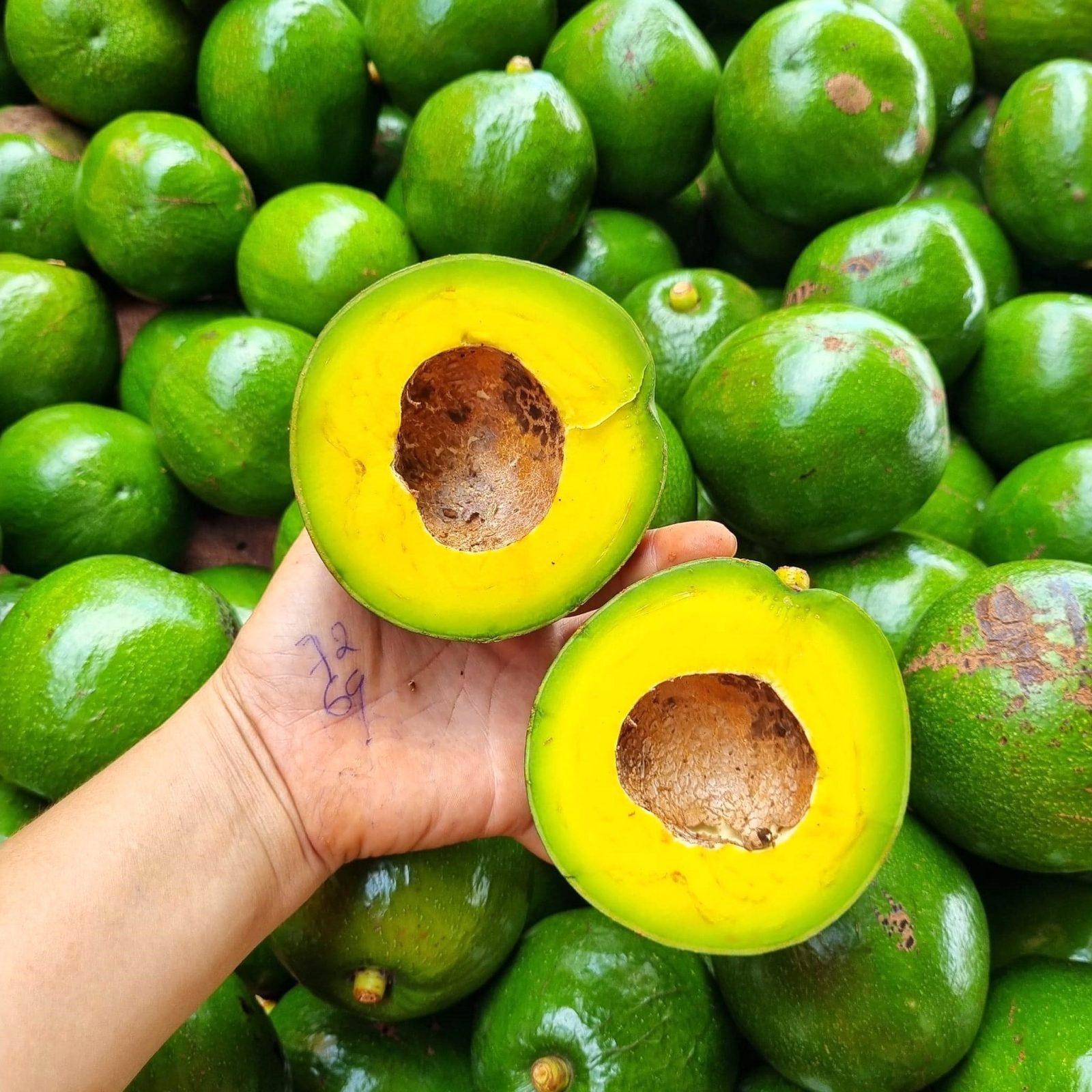
One of the most immediate shifts individuals notice when adopting a daily avocado habit occurs within the digestive tract. The combination of high fiber and clean fats creates an environment where the gastrointestinal system can thrive.
Supporting the Microbiome
The human gut is home to trillions of microorganisms that influence overall vitality, immune defense, and mental clarity. The soluble fiber found in avocados acts as a prebiotic, serving as a direct food source for beneficial gut bacteria such as Bifidobacteria and Lactobacillus.
When these bacteria consume prebiotic fiber, they ferment it into short-chain fatty acids (SCFAs) like butyrate and acetate. These SCFAs serve as the primary energy source for the cells lining the colon, reinforcing the gut barrier and maintaining internal harmony.
Enhancing Nutrient Bioavailability
Many of the most critical nutrients found in leafy greens and vibrant vegetables—such as carotenoids (beta-carotene, lycopene, lutein), vitamin A, vitamin D, and vitamin K—are strictly fat-soluble. If you consume a salad consisting only of raw vegetables and a fat-free dressing, your digestive tract will struggle to absorb these compounds.
Adding avocado to these meals acts as a natural delivery mechanism. The monounsaturated fats dissolve these fat-soluble vitamins, allowing the intestinal walls to absorb them with significantly higher efficiency. Research indicates that pairing an avocado with a garden salad or tomato salsa can increase carotenoid absorption by up to five times, maximizing the nutritional value of every ingredient on your plate.
Satiety, Portions, and Metabolic Balance
A common concern when introducing a calorie-dense food like avocado into a daily routine is its impact on weight management and metabolic stability. Because fats carry more calories per gram than carbohydrates or proteins, portion mindfulness is an important factor to consider.
The Mechanism of Prolonged Fullness
Despite their calorie density, avocados can be an asset for those looking to manage their appetite naturally. The secret lies in the synergistic combination of high fiber and monounsaturated lipids.
Fats and fibers digest at a slower pace than refined carbohydrates. When you consume an avocado, it triggers the release of specific satiety hormones in the gut, such as Peptide YY (PYY) and Cholecystokinin (CCK). These hormones signal to the brain that the body is fully satisfied, reducing the urge to snack between meals and minimizing cravings for processed sugars.
Balancing the Plate
Enjoying the benefits of an avocado comes down to intelligent substitution rather than simple addition. Adding a whole avocado on top of an already heavy, calorie-dense meal plan may lead to an unwanted surplus.
Instead, the most effective approach is using avocado to replace less nutrient-dense fats or refined carbs. For example:
-
Substituting mayonnaise or processed spreads on sandwiches with mashed avocado.
-
Using avocado slices in place of cheese or heavy cream-based dressings in salads.
-
Swapping out sugary morning pastries for a whole-grain toast paired with fresh avocado and hemp seeds.
Skin Vitality and Cellular Protection
The benefits of daily avocado consumption extend far beyond internal metabolic pathways; they are often visibly reflected in skin health. The skin relies heavily on a steady supply of dietary lipids and antioxidants to maintain its structure, moisture levels, and defensive barrier against external stressors.
Natural Hydration and Elasticity
The structural integrity of human skin depends on a strong lipid barrier that seals in moisture and protects against environmental irritants like pollution and dry air. The monounsaturated fats in avocados integrate into the cellular membranes of skin tissue, promoting flexibility, suppleness, and a natural, well-hydrated glow from within.
Protection Against Oxidative Stress
Every day, our skin is exposed to oxidative stress from ultraviolet (UV) radiation and environmental factors, which can break down collagen and accelerate signs of aging. Avocados offer a built-in defense system through two powerful antioxidants: lutein and zeaxanthin.
These carotenoids accumulate in skin tissue, helping to filter out harmful light wavelengths and mitigate oxidative damage. Furthermore, the high concentration of Vitamin E works in tandem with Vitamin C from other dietary sources to neutralize free radicals, supporting the skin’s natural renewal cycles and maintaining a youthful texture.
Creative Ways to Use Avocados Every Day
To maximize the advantages highlighted in image_e34782.jpg without experiencing palate fatigue, it helps to look beyond standard guacamole and explore creative culinary applications. The neutral, buttery profile of avocados allows them to blend seamlessly into both savory and sweet dishes.
Elevating Your Morning Smoothies
If you want to add a rich, velvety texture to your morning smoothies without relying on dairy or heavy sugars, try adding half a frozen avocado. It pairs beautifully with spinach, kale, green apples, and protein powders. The fat content helps stabilize the natural sugars from any added fruits, ensuring a smooth, sustained release of energy throughout your morning without a sudden crash.
Nutrient-Dense Baking Swaps
For those who enjoy baking but wish to improve the nutritional profile of their treats, avocado serves as an excellent substitute for butter or shortening. Due to its high moisture and fat content, you can replace butter in recipes for brownies, muffins, and quick breads using a simple 1:1 ratio. This swap significantly lowers the saturated fat content of your baked goods while introducing fiber, vitamin E, and a wonderfully moist texture.
Savory Foundations and Dressings
Embrace the creamy texture of avocados to craft wholesome, home-made sauces. Blending a whole avocado with fresh garlic, lemon juice, basil, and a touch of sea salt creates a vibrant, nutrient-dense pasta sauce that rivals any traditional cream-based recipe. Alternatively, use it as a thick base for cold summer soups or as a satisfying stuffing cup baked alongside fresh farm eggs and cracked black pepper.
Frequently Asked Questions
Is it safe to eat a whole avocado every single day?
For most individuals, eating a whole avocado daily is perfectly safe and highly beneficial, provided it aligns with your total daily caloric needs. If you maintain an active lifestyle, a whole avocado offers excellent sustained energy. If you follow a more sedentary routine, you may find that limiting your intake to one-half per day fits better within your overall macronutrient targets.
Does cooking or heating avocados destroy their nutrients?
Gentle heating, such as warm baking or lightly grilling, preserves the majority of the beneficial fats and nutrients within an avocado. However, prolonged exposure to extreme heat can cause a slight bitterness due to the breakdown of delicate chemical compounds. To preserve the highest concentration of volatile vitamins like Vitamin C and E, it is generally ideal to enjoy them raw, gently warmed, or added to hot dishes right before serving.
What is the most effective way to store avocados to keep them fresh?
Unripe, firm avocados should be kept at room temperature on your counter, where they will naturally soften over the course of three to five days. If you want to speed up the ripening process, place them inside a brown paper bag with a banana or an apple; the natural ethylene gas will accelerate the process. Once an avocado reaches its peak ripeness, transfer it to the refrigerator to slow down further softening and extend its shelf life for an additional three to four days.
Finding Balance in Your Wellness Routine
The ongoing fascination with avocados, as captured in image_e34782.jpg, highlights a broader shift toward appreciating whole, unrefined, nutrient-dense foods. While no single ingredient holds the key to perfect health, incorporating an avocado into a well-balanced daily routine offers distinct advantages for digestive efficiency, nutrient absorption, and skin vitality.
By understanding how to balance their caloric density with your personal physical activity goals, you can comfortably enjoy this versatile fruit every day. Focus on using it as a natural replacement for highly processed alternatives, explore new flavor combinations in the kitchen, and enjoy the sustainable energy that comes from real, whole-food nutrition.