The Ultimate Guide to Guava: Nutritional Powerhouse and Health Wonders
Introduction: Beyond a Common Tropical Fruit
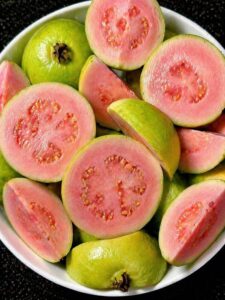
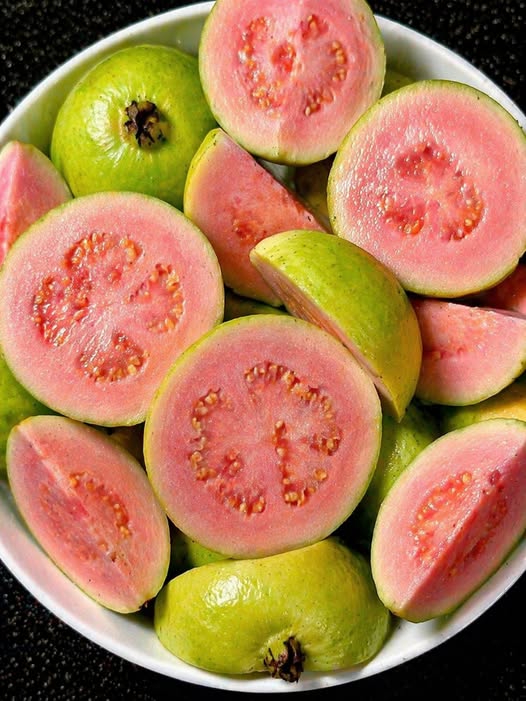
Guava often presents itself as a modest, ubiquitous tropical fruit found throughout warm regions globally. With its humble green exterior and a core teeming with tiny seeds, it rarely commands the same exotic allure as mangosteen, dragon fruit, or durian. However, beneath this unassuming facade lies an unparalleled nutritional matrix that continues to astound modern botanical researchers and clinical dietitians alike. For centuries, traditional wellness practitioners recognized its therapeutic value, but contemporary biochemical analyses reveal that what is inside this simple fruit is truly extraordinary.
This comprehensive exploration delves into the scientific realities of guava, unpacking its micronutrient composition, bioactive compounds, and systemic metabolic advantages. By evaluating empirical data and nutritional benchmarks, we will demonstrate why this fruit deserves premium classification among the world’s true nutritional powerhouses.
The Micro-Nutritional Blueprint of Guava
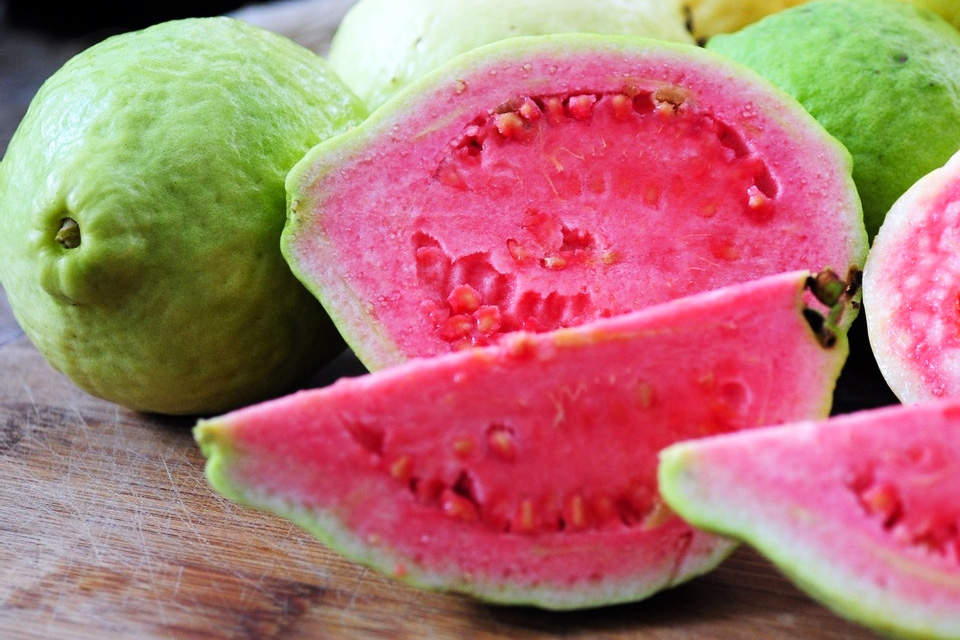
To truly comprehend why guava elicits such admiration from nutritional scientists, one must examine its meticulous biochemical breakdown. It is not merely a source of standard dietary fiber and simple carbohydrates; it is a dense reservoir of essential vitamins, elements, and organic molecules that support physiological homeostasis.
The Ascorbic Acid Phenomenon
When public discourse turns to ascorbic acid (Vitamin C), citrus fruits like oranges and lemons invariably dominate the conversation. Yet, comparative nutritional metrics paint a radically different picture. A standard orange provides approximately 53 mg of Vitamin C per 100 grams. In stark contrast, a standard common guava (Psidium guajava) delivers between 228 mg and 300 mg of ascorbic acid per 100 grams. This means a single guava contains over four to five times the concentration found in citrus counterparts.
Ascorbic acid behaves as a primary reducing agent within cellular environments, scavenging reactive oxygen species (ROS) and neutralizing free radicals that otherwise initiate lipid peroxidation and cellular degradation. Furthermore, it serves as an indispensable enzymatic cofactor for prolyl hydroxylase and lysyl hydroxylase, two enzymes fundamental to collagen synthesis. Without adequate ascorbic acid, the structural integrity of extracellular matrices, dermal tissues, blood vessels, and cartilage diminishes significantly.
Carotenoids and the Power of Lycopene
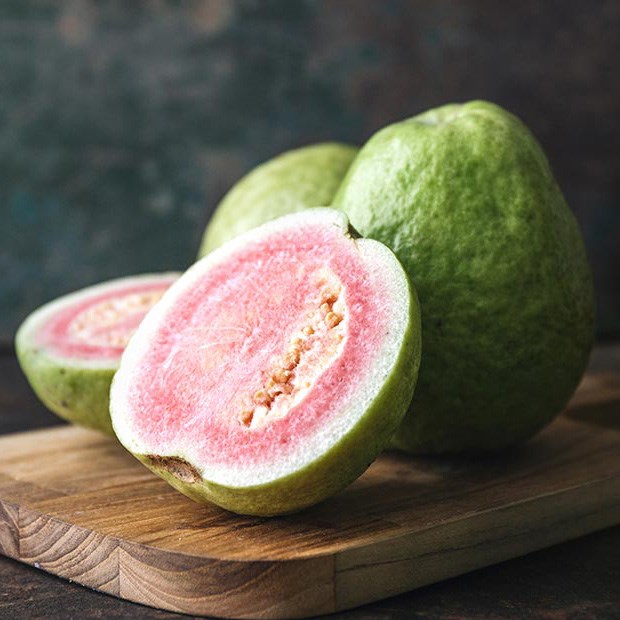
The vibrant pink and deep red color observed in the interior flesh of specific guava varieties is not merely an aesthetic attribute; it indicates a heavy concentration of carotenoids, specifically lycopene. Lycopene is a lipophilic antioxidant widely celebrated for its specific affinity for prostate, cardiovascular, and epithelial tissues.
Unlike many other structural nutrients that degrade during digestion, the lycopene structure within pink guava exhibits high bioavailability, particularly when consumed alongside minimal healthy dietary lipids. It functions by embedding itself into cellular membranes, offering a protective shield against oxidative damage and maintaining cellular fluidity.
Mineral Density: Potassium and Magnesium Foundations
Electrolyte balance remains a cornerstone of optimal cellular function, neurological transmission, and muscular contraction. Guava serves as an exceptional plant-based provider of potassium ($K^+$). A single serving provides more potassium than an equivalent weight of a banana, a fruit traditionally lauded for this specific attribute.
Potassium operates in direct opposition to sodium within the systemic extracellular fluids. By fostering a favorable sodium-to-potassium ratio, guava consumption assists the body in maintaining normal osmotic pressure across cellular walls, reducing unnecessary fluid retention and promoting steady cardiovascular dynamics.
Systemic Metabolic and Health Advantages
Integrating guava into a structured daily diet offers multi-faceted benefits that touch upon nearly every major physiological system. Below is an exhaustive analysis of how the bioactive compounds in guava interact with human biochemistry.
1. Optimizing Digestive Health and Microbial Balance
Dietary fiber insufficiency is a prevalent concern in modern nutrition, often resulting in sluggish transit times, dysbiosis, and systemic metabolic sluggishness. Guava addresses this issue via its exceptional fiber architecture. A single fruit delivers roughly 5.4 grams of dietary fiber, comprising both soluble and insoluble fractions.
The insoluble fiber portion acts as a natural bulking agent within the gastrointestinal tract. It accelerates peristalsis—the rhythmic muscular contractions of the intestines—thereby ensuring efficient waste elimination and preventing chronic constipation. Concurrently, the soluble fiber components, including native pectins, form a gelatinous matrix when combined with gastric fluids. This matrix slows down the absorption of macronutrients, preventing sudden postprandial glucose spikes and providing a steady, prolonged release of energy.
Furthermore, these soluble fibers serve as prebiotics. They undergo fermentation by beneficial colonic bacteria, such as Bifidobacteria and Lactobacilli. This fermentation process yields short-chain fatty acids (SCFAs) like acetate, propionate, and butyrate. Butyrate acts as the primary fuel source for colonocytes, reinforcing the gut mucosal barrier, preventing gut permeability issues, and modulating local immune responses within the gut-associated lymphoid tissue (GALT).
2. Supporting Cardiovascular Health and Lipid Frameworks
Cardiovascular wellness relies heavily on managing arterial flexibility, oxidative stress, and circulating lipid ratios. The synergistic combination of soluble fiber, potassium, and polyphenols found within guava exercises a profoundly positive influence on this complex matrix.
The soluble fibers actively bind to dietary cholesterol and bile acids within the small intestine, facilitating their excretion and prompting the liver to utilize circulating low-density lipoprotein (LDL) cholesterol to synthesize new bile acids. This natural mechanism assists in keeping LDL cholesterol and total triglyceride levels within ideal parameters without disrupting high-density lipoprotein (HDL) levels.
Simultaneously, the rich concentration of polyphenols and flavonoids prevents the oxidation of circulating LDL molecules. Oxidized LDL is a notorious instigator of vascular inflammation, adhering to endothelial walls and driving atherogenesis. By neutralizing free radicals before they interact with lipid particles, guava helps protect the structural integrity of blood vessels and supports smooth, unimpeded blood flow throughout the circulatory system.
3. Assisting Blood Sugar Regulation and Insulin Response
Maintaining balanced blood glucose is critical for long-term metabolic health. Guava boasts a remarkably low glycemic index (GI), meaning its consumption does not trigger the rapid insulin surges associated with refined carbohydrates or high-sugar tropical fruits.
Beyond the fiber-induced delay in glucose absorption, specific phytochemicals within guava leaves and fruit pulp have been shown to inhibit alpha-glucosidase and alpha-amylase. These two primary digestive enzymes break down complex carbohydrates into simple sugars. By naturally moderating the activity of these enzymes, guava helps smooth out blood sugar curves after meals.
Moreover, active organic elements within the fruit appear to enhance insulin sensitivity at the cellular level. When peripheral tissues—such as skeletal muscle and adipose tissue—exhibit heightened sensitivity to insulin, glucose uptake occurs more efficiently, reducing the burden on pancreatic beta cells and mitigating the risks associated with long-term metabolic strain.
4. Enhancing Dermal Integrity and Immune Defense
The visual condition of skin is fundamentally a reflection of internal cellular health and structural protein preservation. Guava’s extraordinary concentration of Vitamin C plays a monumental role in this process. As a mandatory cofactor for collagen synthesis, Vitamin C ensures that the skin retains its natural elasticity, structure, and resilience against environmental stressors like ultraviolet radiation and pollution.
Additionally, the broad spectrum of antioxidants present within guava—including Vitamin A, Vitamin E, and various flavonoids—provides a comprehensive defense shield. These compounds minimize the breakdown of the dermal matrix caused by matrix metalloproteinases (MMPs), enzymes that proliferate under oxidative stress and degrade collagen and elastin fibers.
From an immunological standpoint, Vitamin C accumulates rapidly within phagocytic cells, such as neutrophils and macrophages, enhancing their capacity for chemotaxis, phagocytosis, and the generation of reactive oxygen species to neutralize pathogens. It also plays an essential role in apoptosis and the subsequent clearance of spent immune cells from infection sites, thereby protecting surrounding tissues from prolonged, unnecessary inflammation.
The Forgotten Miracle: Guava Leaves (Psidium guajava Folium)
While the edible fruit flesh is the most common point of consumption, scientific literature frequently emphasizes that the leaves of the guava plant contain an even denser concentration of bioactive phytochemicals. For centuries utilized as herbal infusions, guava leaves are now being rigorously studied for their distinct pharmacological properties.
Polyphenolic Profile: Quercetin and Guajavin
Guava leaves contain an abundance of polyphenols, tannins, and flavonoids, with quercetin, guaijaverin, and gallic acid standing out as primary active compounds. Quercetin, a potent flavonol, possesses recognized stabilizing effects on mast cells, reducing the release of histamine and other inflammatory mediators.
Tannins within the leaves exert a mild astringent effect when coming into contact with mucosal linings. This action helps soothe irritation in the digestive tract and can contribute to managing occasional loose stools by reducing fluid secretion into the intestinal lumen.
Antimicrobial and Anti-inflammatory Properties
Extracts derived from guava leaves have demonstrated clear antimicrobial activity against a variety of common bacterial strains, including Staphylococcus aureus, Escherichia coli, and Salmonella enterica. The volatile essential oils contained within the leaves disrupt the bacterial cell membrane, inhibiting replication and survival.
Furthermore, these extracts have been shown to downregulate the expression of pro-inflammatory cytokines, such as tumor necrosis factor-alpha (TNF-$\alpha$) and interleukin-6 (IL-6), by inhibiting the core NF-$\kappa$B signaling pathway. This makes guava leaf tea a highly valued beverage for individuals seeking to manage systemic inflammation through natural dietary choices.
How to Maximize Guava’s Nutritional Potential
To capture the full spectrum of benefits offered by guava, one must pay careful attention to how the fruit is selected, stored, and prepared. The following strategies ensure minimal nutrient degradation and maximal biochemical availability:
-
Consume the Skin: The outermost green or yellow rind of the guava fruit contains the highest concentration of ascorbic acid and dietary fiber. Ensure thorough washing under clean water to remove any surface residues, and consume the fruit whole rather than peeling it.
-
Embrace the Seeds: While the small, hard seeds can be challenging for some, they are packed with essential fatty acids, including linoleic and oleic acids, as well as additional insoluble fiber. Swallowing them whole is completely safe and aids digestive clearance; avoid crushing them if you prefer a smoother texture.
-
Eat Fresh and Raw: Ascorbic acid is highly thermolabile, meaning it degrades rapidly when exposed to heat. To preserve the maximum amount of Vitamin C, consume guava fresh, raw, or blended into cold smoothies rather than cooking or baking it.
-
Optimal Storage: Unripe guavas should be kept at room temperature until they emit a sweet aroma and yield slightly to gentle pressure. Once ripe, store them in a refrigerator to slow down further enzyme degradation and preserve vital nutrients for up to five days.
Conclusion: A Staple for Modern Longevity
Guava is a profound testament to the power of whole-food nutrition. It challenges the conventional perception that exceptional wellness benefits can only be found in expensive, highly marketed dietary supplements or rare, hard-to-source botanicals. By delivering an unprecedented concentration of Vitamin C, a robust matrix of dietary fibers, essential cardiovascular minerals like potassium, and targeted antioxidants like lycopene, this simple fruit addresses many of the core nutritional gaps prevalent in contemporary society.
Whether you choose to incorporate the crisp fresh fruit into your morning routine or enjoy a warm herbal infusion prepared from its nutrient-dense leaves, guava provides a reliable, accessible, and scientifically validated foundation for long-term health, cellular vitality, and metabolic balance. It is time to look past its modest exterior and welcome this extraordinary tropical jewel into your daily lifestyle.