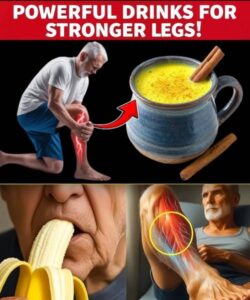
Simple Steps to Keep Your Legs Strong and Active
As we get older, maintaining mobility and lower body strength becomes a top priority for staying independent and living life…
28/05/2026 13:20
Gallbladder removal, medically known as a cholecystectomy, is one of the most frequently performed surgical procedures globally. Every year, hundreds of thousands of individuals undergo this operation to resolve complications arising from gallstones, inflammation, or localized discomfort. While the procedure is highly effective at addressing acute gallbladder issues, removing an organ naturally introduces structural adjustments to how the human body processes food daily.
For many years, a common narrative suggested that the gallbladder is an optional organ—one whose absence leaves no lasting footprint on metabolic or digestive wellness. However, contemporary clinical physiological models offer a much more nuanced perspective. The human body functions as an interconnected ecosystem. When one component is altered, surrounding systems adjust their operational dynamics to maintain homeostasis.
This comprehensive guide explores the deep physiological shifts that occur after a cholecystectomy. By understanding these adjustments, individuals can proactively support their metabolic functions, manage secondary structural developments, and make highly informed lifestyle choices that promote long-term vitality and digestive balance.
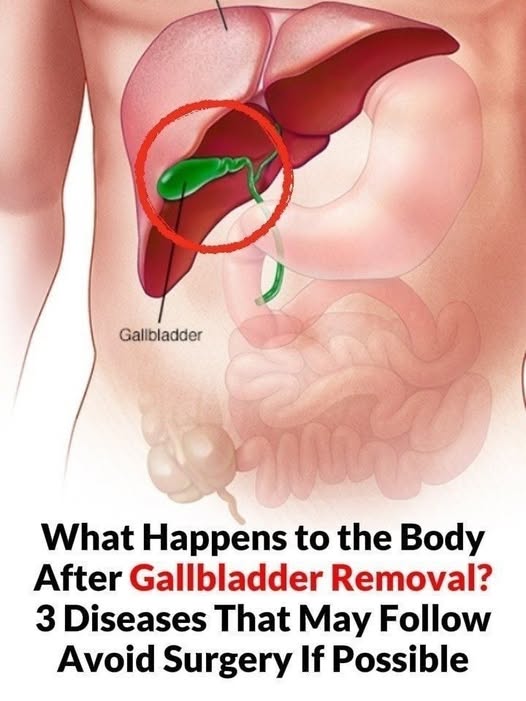
To grasp the long-term adjustments following gallbladder removal, it is essential to first understand the original baseline anatomy. The liver generates bile, a green-yellow fluid rich in bile salts, cholesterol, and phospholipids. In an unaltered system, this bile travels down the hepatic ducts and enters the gallbladder, where water is extracted, concentrating the fluid up to tenfold.
When you consume a meal containing fats, your small intestine releases a hormone called cholecystokinin (CCK). This hormone signals the gallbladder to contract, releasing a concentrated bolus of bile exactly when food exits the stomach. This precise mechanism ensures efficient emulsification of lipids, making them highly accessible to pancreatic enzymes.
Following a cholecystectomy, this adaptive storage reservoir is no longer present. The liver continues its non-stop production of bile, but instead of holding it until a meal arrives, the fluid drips constantly into the duodenum. This results in two distinct physiological challenges:
Dilution Factors: The bile entering the digestive tract during a heavy meal is less concentrated than before, which can occasionally reduce the efficiency of heavy fat digestion.
Continuous Exposure: The mucosal lining of the small intestine is exposed to a steady trickle of bile acids, even when the upper digestive tract is entirely empty.
When the gastrointestinal tract adapts to this altered blueprint, specific physiological shifts may manifest. These are not inevitable complications, but rather natural responses to a structural modification. Recognizing these adjustments early allows for targeted lifestyle and dietary supportive measures.
Bile acids act as natural laxatives within the human colon. When unabsorbed bile passes too rapidly through the small intestine, it enters the large bowel, where it stimulates water secretion and accelerates peristalsis. This process is known as bile acid malabsorption (BAM) or chologenic diarrhea.
For many individuals, this shift is temporary, lasting only a few weeks as the ileum upgrades its capacity to reabsorb bile salts. However, for a subset of individuals, the continuous drip keeps stool consistency looser or more frequent than prior baseline levels. Managing this typically involves dietary changes focusing on soluble fiber, which naturally binds to excess bile acids in the gut lumen.
While the downward flow of bile is ideal, continuous secretion can occasionally result in retrograde movement. If the pyloric sphincter—the muscular valve separating the stomach from the duodenum—does not close perfectly, bile can back up into the gastric chamber. This condition, often termed duodenogastric reflux or bile reflux, can irritate the stomach lining.
Unlike acid reflux, which involves excess hydrochloric acid from the stomach entering the esophagus, bile reflux originates lower in the digestive tree. Because bile is alkaline, traditional acid-suppressing options may not address the underlying mechanics. Supporting proper downward motility and stomach emptying through mindful eating practices is often a key area of focus.
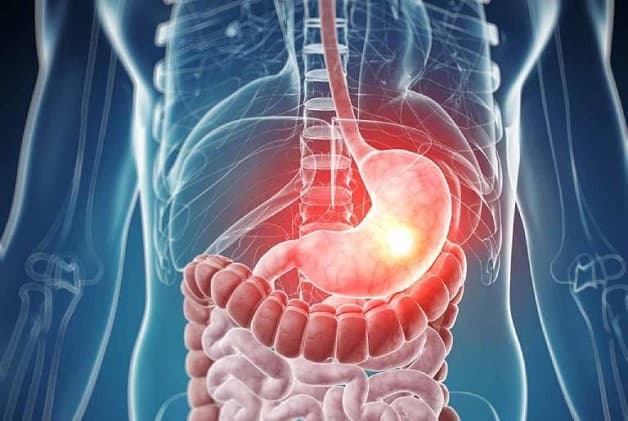
Bile acids possess strong antimicrobial properties, shaping the population densities of various bacterial strains within the digestive tract. The shift from a periodic, concentrated delivery of bile to a continuous, diluted flow alters the chemical environment of both the small and large intestines.
This environmental change can favor certain bile-tolerant microbes while decreasing populations of sensitive beneficial strains. Over time, this shifting landscape can affect how the gut ferments prebiotic fibers, plays a role in systemic immune function, and maintains the integrity of the intestinal mucosal barrier.
| Physiological Parameter | With Intact Gallbladder | Post-Gallbladder Removal |
| Bile Delivery Method | Pulsed delivery triggered by fat ingestion. | Continuous, steady drip from the liver. |
| Bile Concentration | High (concentrated up to 10 times). | Low (diluted, straight hepatic bile). |
| Intestinal Transit Impact | Balanced, supporting regular bowel patterns. | Can accelerate transit if bile enters the colon. |
| Fat-Soluble Nutrient Uptake | Optimal assimilation of Vitamins A, D, E, K. | Requires conscious moderation of fat intake. |
Adjusting to life without a gallbladder does not mean embracing a restrictive diet forever. Instead, it involves adopting a thoughtful nutritional strategy that aligns with the body’s updated physiological framework. The goals are simple: support the liver, optimize fat digestion, and protect the mucosal lining of the intestines.
Fiber is arguably the most valuable dietary component for someone navigating post-cholecystectomy changes. However, the type of fiber chosen makes a significant functional difference:
Soluble Fiber: Found abundantly in oats, psyllium husks, flaxseeds, carrots, and apples. Soluble fiber forms a gel-like substance in the digestive tract that efficiently binds to loose bile acids, preventing them from irritating the colon wall and stabilizing stool consistency.
Insoluble Fiber: Found in whole grains, nuts, and dark leafy greens. While excellent for overall health, excessive amounts of coarse insoluble fiber immediately following surgery can sometimes accelerate transit times further if the bowel is already sensitive.
Rather than adopting an ultra-low-fat diet that can limit the absorption of essential fatty acids and fat-soluble vitamins, focus on volume distribution. Consuming a large amount of fat in a single sitting can overwhelm the continuous, diluted stream of bile available. Conversely, distributing high-quality fats across smaller, more frequent meals allows the available bile to easily emulsify the nutrients, leading to smooth, symptom-free digestion.
Over the long term, supporting systemic wellness after an organ removal involves protecting metabolic health and liver function. Because the liver must now handle bile balance without a storage buffer, supporting hepatic pathways is highly beneficial.
Incorporating bitter greens such as arugula, dandelion leaves, and radicchio into your routine can gently encourage healthy bile flow. Staying properly hydrated ensures that bile remains fluid and less prone to forming sludge within the hepatic ducts. Additionally, regular, gentle physical activity supports overall gastrointestinal motility and helps maintain balanced metabolic markers across the board.
A cholecystectomy is a significant structural shift, but it marks the beginning of an empowered journey toward understanding your body’s specific internal balance. By aligning your daily dietary structures, focusing on high-quality fiber, and pacing your nutrient intake, you can establish an excellent environment for long-term digestive vitality and complete metabolic harmony.
As we get older, maintaining mobility and lower body strength becomes a top priority for staying independent and living life…
Introduction: The Changing Landscape of Post-Chirurgical Digestion Gallbladder removal, medically known as a cholecystectomy, is one of the most frequently…

The Ultimate Guide to Cassava: Balancing Nutrition, Safety, and Global Food Security Cassava, scientifically classified as Manihot esculenta and known…

Introduction: The Mystery Behind the Warning Social media feeds are frequently flooded with viral images of peculiar creatures accompanied by…

A simple-looking math problem has gone viral online after thousands of people started arguing over the correct answer. At first…
Last night, my girlfriend was washing her hair like normal when she suddenly froze and shouted my name from the…