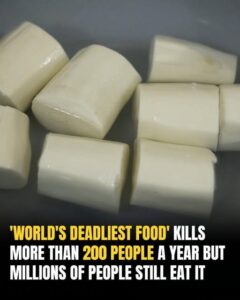
The Ultimate Guide to Cassava: Balancing Nutrition, Safety, and Global Food Security
The Ultimate Guide to Cassava: Balancing Nutrition, Safety, and Global Food Security
Cassava, scientifically classified as Manihot esculenta and known alternatively as yuca, manioc, or mandioca, stands as one of the most critical agricultural pillars in the modern world. Primarily cultivated across tropical and subtropical regions, this resilient woody shrub produces starchy tuberous roots that serve as a foundational source of dietary energy for over half a billion individuals worldwide. Despite its indispensable contribution to global sustenance, cassava frequently garners sensationalized headlines due to its endogenous chemical defense mechanisms. When prepared incorrectly, certain varieties can present significant health risks. However, through thousands of years of indigenous wisdom and contemporary culinary practices, humanity has effectively unlocked the nutritional bounties of this root while mitigating its natural defensive hazards.
This comprehensive analysis delves deeply into the multifaceted reality of cassava. We will explore its botanical origins, ecological resilience, structural nutritional profiles, traditional processing methodologies, industrial applications, and the strategic modern advancements that ensure its continued safety and dominance in the future of international food security.
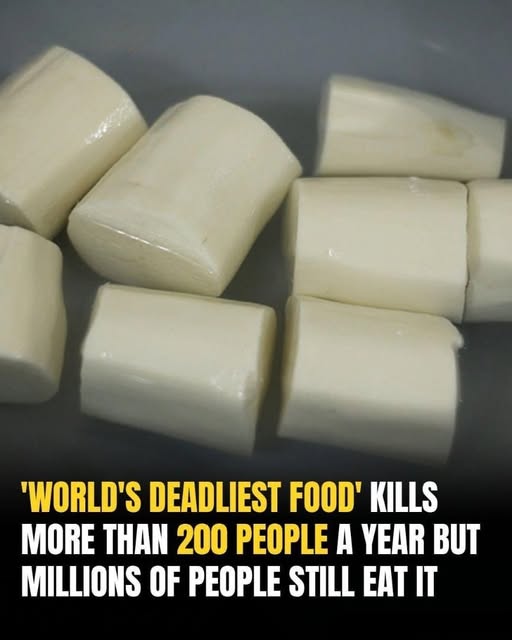
The Botanical Marvel and Ecological Resilience of Cassava
To truly understand the prominence of cassava in contemporary agriculture, one must analyze its exceptional adaptability to environments that would compromise most other staple crops, such as wheat, rice, or maize. Originating from the Amazon basin in South America, cassava was domesticated thousands of years ago before being introduced to Africa and Asia by European traders in the 16th and 17th centuries. Today, it thrives precisely where food insecurity is most acute.
-
Drought Tolerance and Soil Adaptability: Cassava possesses an extraordinary ability to withstand prolonged periods of drought. When water becomes scarce, the plant enters a semi-dormant state, shedding part of its foliage to conserve moisture while retaining its starchy reserves beneath the soil. Once the rains return, it rapidly resumes growth. Furthermore, cassava produces acceptable yields even when cultivated in highly acidic, nutrient-deficient, or marginal soils where high-input grains cannot survive. This makes it an invaluable asset for smallholder farmers navigating erratic climate patterns.
-
Flexible Harvesting Windows: Unlike seasonal cereal crops that must be harvested immediately upon maturity to prevent spoilage or pest destruction, cassava roots can remain stored naturally underground for up to two or three years after reaching maturity. This underground storage capability acts as a living food security reserve, allowing rural populations to harvest the roots precisely when needed or during periods of acute economic hardship.
Deconstructing the Chemistry: Cyanogenic Glucosides Explained
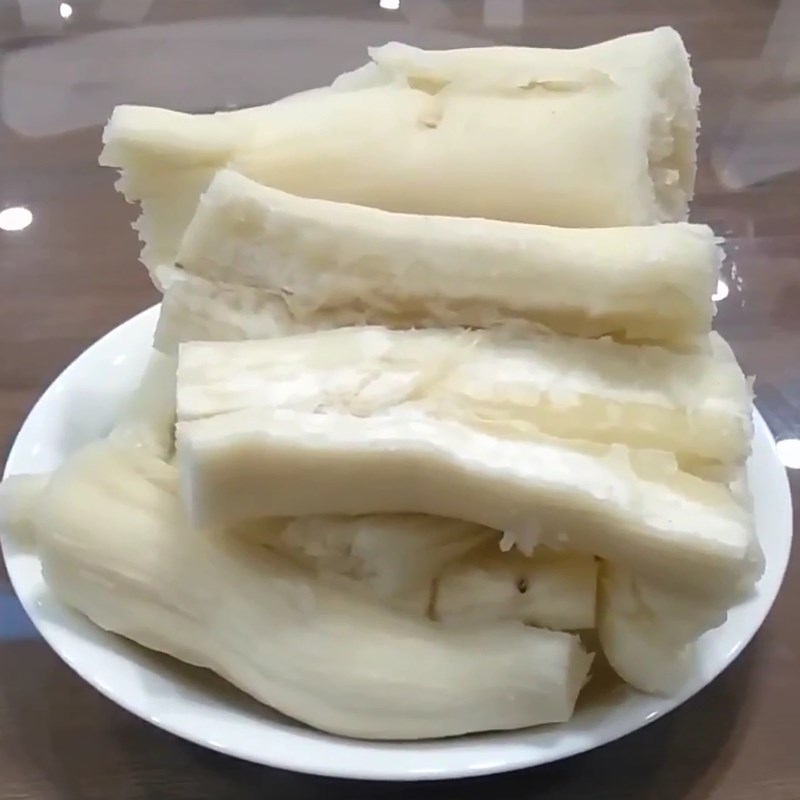
The persistent public fascination and occasional alarm surrounding cassava stem from its natural chemical composition. Like many other plants, including almonds, lima beans, and the seeds of stone fruits, cassava contains compounds known as cyanogenic glucosides—primarily linamarin and, to a lesser extent, lotaustralin.
-
The Plant Defense Mechanism: These glucosides function as a highly evolved defense mechanism designed to deter herbivores, insects, and microbial pathogens. When the cellular structures of the raw cassava plant are disrupted—whether through chewing, crushing, or bruising—an endogenous enzyme called linamarase is brought into contact with linamarin. This enzymatic reaction triggers a chemical breakdown cascade, culminating in the release of hydrogen cyanide (HCN).
-
Sweet vs. Bitter Cassava Varieties: Cassava is generally classified into two broad agronomic categories based on the concentration of these cyanogenic compounds:
-
Sweet Cassava: These varieties contain low levels of cyanogenic glucosides (typically fewer than 50 milligrams of hydrogen cyanide equivalent per kilogram of fresh weight). The toxins are primarily concentrated in the outer peel, leaving the inner white flesh relatively safe. Simple cooking methods like boiling, roasting, or baking are sufficient to render sweet cassava completely safe for human consumption.
-
Bitter Cassava: These varieties possess significantly higher concentrations of cyanogenic glucosides, distributed uniformly throughout both the peel and the inner flesh, sometimes exceeding several hundred milligrams per kilogram. Bitter cassava cannot be eaten raw or lightly cooked; it requires rigorous, multi-step processing to systematically eliminate the cyanogenic compounds prior to consumption.
Agronomic Advantages of Bitter Varieties: Despite the intensive preparation required, many farmers actively prefer cultivating bitter cassava over sweet varieties. The elevated chemical defense makes bitter cassava exceptionally resistant to agricultural pests, wild animals, and theft, resulting in vastly superior field survival rates and higher overall starch yields per hectare.
Traditional and Modern Detoxification Methodologies
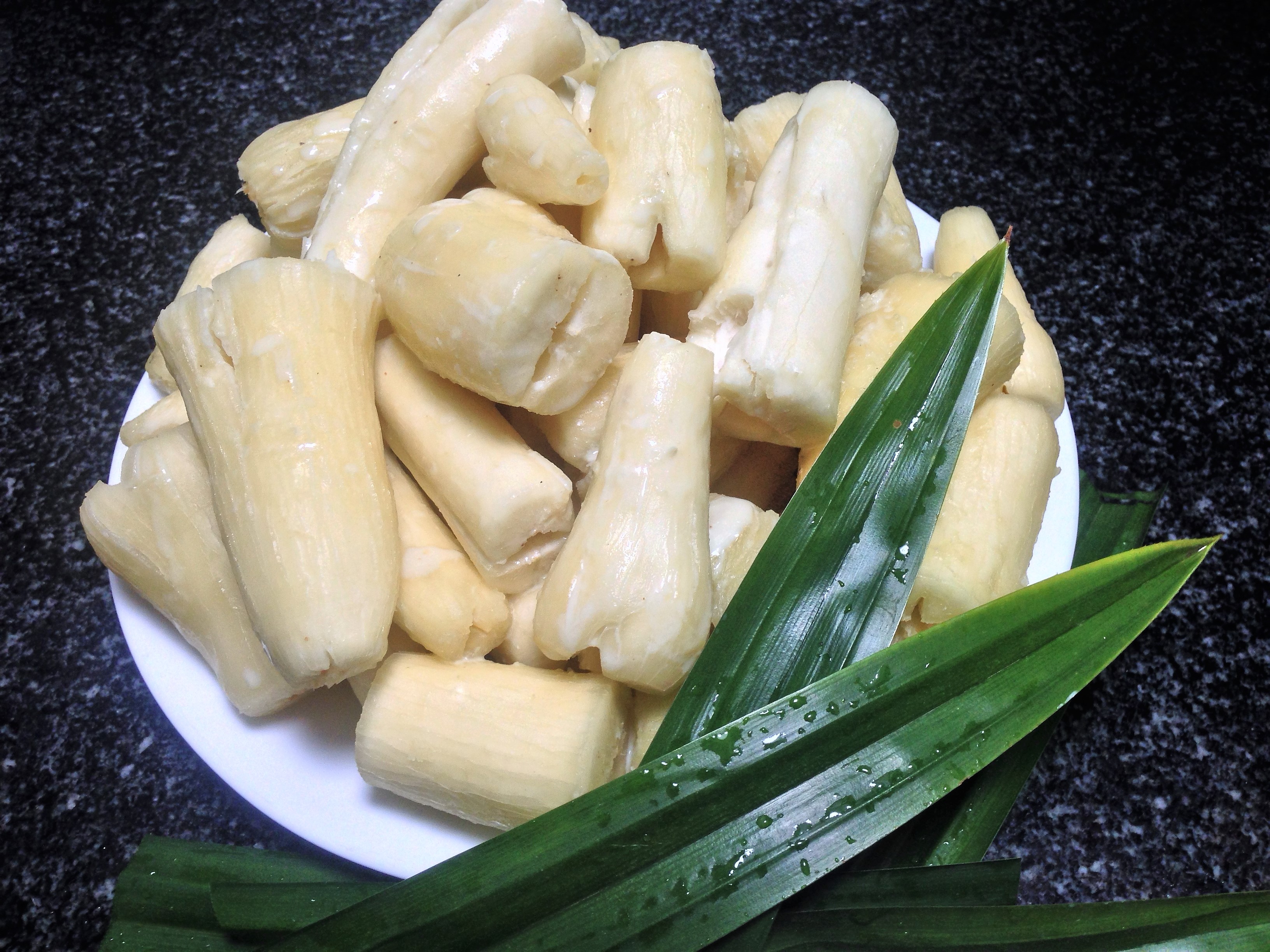
For millennia, indigenous populations across South America and Sub-Saharan Africa have successfully utilized intricate, highly effective processing systems to transform potentially hazardous bitter cassava into entirely wholesome, shelf-stable foods. These time-tested practices rely on basic biochemical principles: crushing the cell walls to activate linamarase, and utilizing water solubility or heat volatility to remove the resulting hydrogen cyanide.
-
Soaking and Extended Fermentation: One of the most widespread methods involves submerging peeled or unpeeled cassava roots in flowing or static water bodies for several days. This prolonged soaking serves a dual purpose. First, it softens the root tissues, allowing the cell structure to break down and facilitating the enzymatic conversion of linamarin into volatile gas. Second, natural microbial fermentation occurs, which lowers the pH, enhances the flavor profile, and drastically accelerates the reduction of total cyanogenic content.
-
Grating and Mechanical Pressing: By mechanically grating fresh cassava roots into a fine pulp, processors maximize the surface area and ensure complete interaction between the linamarin compounds and the linamarase enzymes. The resulting mash is then packed into porous bags and subjected to heavy mechanical pressure using heavy stones, wooden levers, or modern hydraulic presses. The liquid expressed during this extraction process carries away the vast majority of the water-soluble toxins, leaving behind a semi-dry cake that is safe for further refinement.
-
Sun Drying and Toasting: Because hydrogen cyanide has a relatively low boiling point (26°C or 78.8°F), it volatilizes readily when exposed to heat. Drying thin slices of processed cassava under direct sunlight or toasting the granulated mash on large iron skillets effectively drives off any remaining residual gases. This thermal processing transforms the raw starch into popular, completely safe dietary staples such as gari in West Africa or farinha de mandioca in Brazil.
Nutritional Composition and Health Implications
When evaluated strictly as a source of clean, accessible macronutrients, cassava emerges as an absolute powerhouse of carbohydrates. It represents an exceptional energy substrate, particularly for populations engaged in demanding physical labor or those requiring affordable caloric density.
-
Macronutrient Profile and Gluten-Free Starch: The edible root consists primarily of water and complex carbohydrates in the form of amylose and amylopectin. It is intrinsically low in proteins and dietary fats. Crucially, cassava starch is entirely free from gluten, making its derivative flours highly sought after in modern Western markets as a primary alternative for individuals managing celiac disease, non-celiac gluten sensitivity, or autoimmune dietary protocols.
-
Micronutrients and Bioavailable Compounds: While standard white-fleshed cassava contains modest amounts of Vitamin C, thiamine, riboflavin, and nicotinic acid, agricultural research institutions have made monumental strides in biofortifying the crop. Through targeted selective breeding programs, scientists have developed “Yellow Cassava” varieties packed with significant quantities of beta-carotene, a critical precursor that the human body converts into Vitamin A. This breakthrough is actively addressing nutritional deficiencies and combating childhood blindness across developing agricultural sectors.
-
The Role of Dietary Protein in Long-Term Consumption: Because cassava root itself contains minimal protein (typically around 1% to 2% of dry weight), optimal health outcomes depend on incorporating a balanced, diversified diet. In regions where cassava forms the absolute majority of daily caloric intake, ensuring access to complementary protein sources—such as legumes, fish, nuts, or livestock products—is vital. Interestingly, the leaves of the cassava plant are extraordinarily rich in protein, containing up to 25% dry weight protein along with essential amino acids, iron, and calcium. When thoroughly boiled or processed to eliminate their own cyanogenic compounds, these leaves provide an exceptional, highly nutritious green vegetable companion to the starchy root dishes.
Global Economic Importance and Industrial Applications
Beyond its traditional role as a localized subsistence food, cassava has evolved into a high-value industrial commodity with an expanding global footprint. The structural properties of cassava starch render it uniquely versatile across multiple multi-billion-dollar commercial sectors.
-
Food and Beverage Formulations: In the global food sector, refined cassava starch is recognized for its high clarity, neutral taste profile, excellent paste viscosity, and remarkable stability under acidic or freezing conditions. It serves as a primary texturizer, thickener, and binding agent in everything from gravies and ready-made meals to confectionery items. Furthermore, cassava starch is the essential raw ingredient required to manufacture tapioca pearls, which drive the massive international phenomenon of bubble tea.
-
The Eco-Friendly Bioplastics Movement: As the international community aggressively seeks viable alternatives to petroleum-derived single-use plastics, cassava starch has emerged as a premier bio-based raw material. Through polymer blending and biochemical processing, manufacturers can convert cassava starch into fully biodegradable packaging materials, shopping bags, and disposable utensils. These products decompose naturally within months without leaving toxic chemical residues, offering a sustainable path forward for environmental conservation.
-
Textile, Paper, and Pharmaceutical Manufacturing: In industrial manufacturing, cassava starch is widely used for warp sizing in textile weaving, improving yarn strength and smoothness. In the paper industry, it serves as a critical surface-sizing agent to enhance paper printability and structural stiffness. The pharmaceutical sector utilizes highly purified cassava starch as a binder and disintegrant in tablet formulations, ensuring that medications dissolve properly within the human digestive tract.
-
Renewable Biofuel Production: With global energy demands shifting toward renewable alternatives, countries such as Thailand and Vietnam have established large-scale industrial facilities dedicated to fermenting cassava starch into fuel-grade ethanol. The high fermentable sugar yield per ton of cassava makes it an economically competitive feedstock for biofuel production, reducing reliance on conventional fossil fuels while supporting rural agricultural economies.
Addressing Common Misconceptions: Separating Fact from Fiction
In the age of viral digital media, clickbait headlines frequently single out cassava with sensational labels like “the world’s deadliest food.” Such dramatic statements grossly misrepresent the actual reality of the crop and ignore basic principles of food science, toxicology, and global culinary history.
-
Quantifying Actual Health Risks: Like many other common dietary staples—such as potatoes containing solanine or kidney beans containing phytohemagglutinin—cassava simply requires proper, standard preparation. The human body possesses natural metabolic pathways, utilizing the enzyme rhodanese and dietary sulfur, to safely detoxify small, trace amounts of ingested cyanide compounds. Chronic health conditions related to cassava consumption occur almost exclusively in situations of extreme poverty, severe drought, or active conflict zones. In these specific, isolated circumstances, populations are forced by absolute starvation to consume poorly processed bitter cassava roots while simultaneously suffering from severe, long-term protein malnutrition.
-
The Global Safety Record: For the vast majority of the 500 million people who consume cassava every single day across Africa, South America, and Asia, the root represents a completely safe, nutritious, and reliable source of energy. Commercially distributed cassava products available in modern supermarkets—including tapioca pearls, cassava flour, cassava chips, and frozen yuca roots—are sourced strictly from low-cyanide sweet varieties or have undergone stringent quality control and industrial processing to guarantee total consumer safety.
The Future of Cassava: Innovations in Sustainable Agriculture
As the global human population approaches unprecedented numbers amid escalating climate volatility, the strategic importance of cassava in securing the global food supply will only intensify. Leading international agricultural research organizations are spearheading transformative initiatives to maximize the potential of this crop.
-
Genomic Selection and Pest Resistance: Advanced genetic research and molecular marker-assisted breeding are enabling scientists to rapidly develop new cassava cultivars featuring enhanced resistance to devastating viral pressures, such as the Cassava Mosaic Disease (CMD) and the Cassava Brown Streak Disease (CBSD). These high-yielding, disease-resistant varieties safeguard the livelihoods of millions of small-scale farmers and stabilize national agricultural outputs.
-
Mechanized Harvesting and Processing Infrastructure: One of the traditional bottlenecks in cassava commercialization has been its labor-intensive harvesting and rapid post-harvest deterioration, with fresh roots typically degrading within 48 hours of extraction. The introduction of affordable mechanical harvesters, mobile processing units, and optimized logistical strategies is currently transforming the value chain. By streamlining the path from farm to factory, these technological interventions minimize post-harvest loss, boost rural income levels, and deliver premium, affordable starch products to international markets.
Conclusion
Cassava is far from a dangerous dietary anomaly; it is a spectacular triumph of natural botanical adaptation and human culinary ingenuity. From its ancient roots in the Amazonian rainforests to its critical status as a modern global agricultural asset, this magnificent crop has proven time and again to be a resilient shield against famine and climate instability. By maintaining rigorous standards of traditional processing, embracing contemporary food safety technologies, and investing heavily in agronomic research, the global community ensures that cassava will continue to nourish hundreds of millions of people safely, sustainably, and efficiently for generations to come.