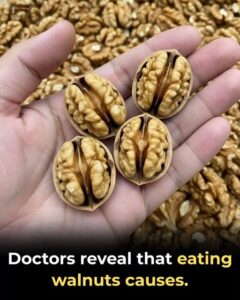
Discover how walnuts boost your daily wellness naturally.
The Ultimate Guide to Walnuts and Longevity
In the modern landscape of nutrition, superfoods frequently emerge and recede from public attention. Yet, certain whole foods sustain their reputation across generations due to an extraordinary density of essential components. Among these organic marvels, English and Black walnuts stand prominent. Often recognized for their distinctive structural resemblance to the human brain, these tree nuts deliver an expansive profile of healthy fats, antioxidants, and trace elements that integrate smoothly into balanced lifestyles.
This comprehensive analysis examines the structural, biological, and metabolic transformations associated with daily walnut integration. By shifting the perspective away from aggressive commercial claims or exaggerated transformations, we present an objective, science-backed overview of how these nutrient-dense inclusions support cellular maintenance, sustained vitality, and long-term functional well-being.
1. The Nutritional Matrix: Beyond Basic Caloric Value
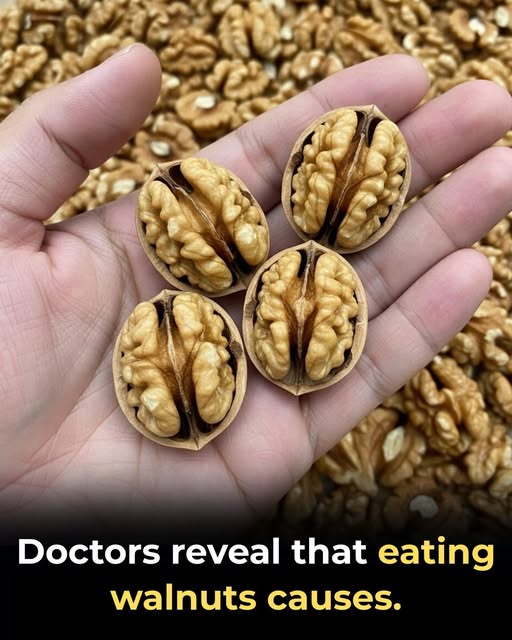
To fully grasp why these plant elements occupy a unique space in dietary regimens, one must look closely at their compositional layout. Unlike many snack variants that provide simple carbohydrates or isolated lipids, these structured kernels offer a complex matrix where macro and microcomponents work in perfect alignment.
Alpha-Linolenic Acid (ALA): The Essential Plant Omega-3
A primary characteristic distinguishing this specific variety from other options like almonds or cashews is the exceptionally high concentration of polyunsaturated fatty acids. Specifically, they provide a vast reservoir of Alpha-Linolenic Acid (ALA), a vital plant-based omega-3 fatty acid that the human system cannot synthesize internally. Within the body, this molecule undergoes a steady elongation pathway:
$$\text{ALA} \rightarrow \text{EPA} \rightarrow \text{DHA}$$
This natural sequence assists in maintaining cellular membrane fluidity and flexibility across multiple biological systems. A single standard portion easily satisfies the recommended daily intake values for this crucial essential lipid.
The Complex Polymeric Polyphenol Profile
In addition to lipids, the thin, slightly bitter outer skin enclosing each smooth kernel holds an incredible abundance of bioactive compounds. These include pedunculagin, tellimagrandin, and various ellagitannins. When consumed, these structures interact positively with the internal biological environment, providing far greater cellular defense mechanisms than standard vitamin complexes alone.
2. Supporting Cognitive Pathways and Longevity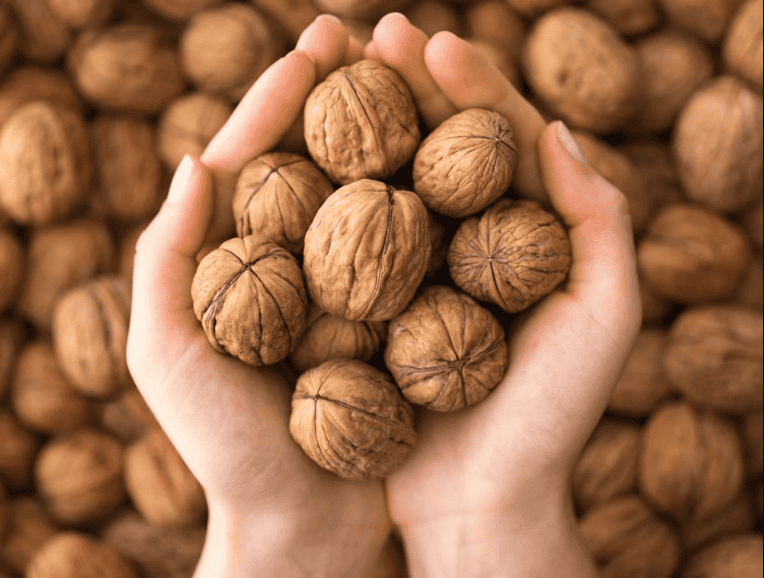
The historical association between the physical structure of a walnut and mental function is remarkably accurate when viewed through modern metabolic screening. The complex neural pathways that oversee memory retention, focus, and analytical capability rely heavily on a consistent supply of protective elements to resist oxidative wear.
Sustaining Neuroprotection over Time
As biological systems mature, the delicate tissues within the central nervous system face constant encounters with external oxidative stress. The rich presence of vitamin E (predominantly in the highly effective gamma-tocopherol form), melatonin, and polyphenols creates a robust defense network. These elements neutralize unstable molecules before they alter foundational cellular components, preserving processing speeds and clarity into later decades.
Note on Long-Term Vitality: Consistent dietary inclusion provides sustained cellular defense, helping maintain mental sharpness and analytical focus as the body moves through various stages of natural development.
Nurturing Positive Mood Patterns
Metabolic wellness is deeply linked to baseline mental clarity. The presence of trace elements such as magnesium and specific amino acids supports the foundational building blocks required for neurotransmitter synthesis. By optimizing the internal chemical environment naturally, individuals frequently report steadier energy patterns and enhanced resilience when managing daily demands.
3. Cardiovascular Synergy and Vascular Efficiency
The circulatory network is the literal highway of human vitality. Maintaining soft, flexible arterial pathways and optimal fluid pressure balances is essential for preventing premature fatigue and supporting muscular performance.
Maintaining Healthy Lipid Balances
Incorporating these whole foods into a structured routine does not lead to negative weight adaptations despite their rich lipid profile. Instead, the combination of unsaturated lipids and natural plant sterols alters how the system handles cholesterol distribution. It helps maintain low-density lipoprotein (LDL) particles within ideal, balanced parameters while supporting high-density versions (HDL) in their cleansing actions.
Arterial Flexibility and Nitric Oxide Support
The presence of the essential amino acid L-arginine serves as a precursor to nitric oxide generation within the endothelial lining of blood vessels. This chemical messenger promotes smooth relaxation of vascular walls, leading to enhanced delivery of oxygenated blood to vital organs. This seamless circulation minimizes localized workload strains on cardiac structures.
4. The Gastrointestinal Landscape: Nourishing the Microflora
Modern systemic wellness is profoundly rooted within the digestive tract. The thousands of microbial entities residing within the gut serve as central regulators for nutrient assimilation, immune system balance, and mood regulation.
Prebiotic Architecture and Fermentation Dynamics
Walnuts possess a complex skeletal framework composed of non-digestible dietary fibers and complex bound polymers. As these materials pass safely through the upper stomach pathways, they reach the lower digestive sectors intact. Here, beneficial microbial strains utilize them as fuel source materials via natural fermentation processes.
The Proliferation of Short-Chain Fatty Acids (SCFAs)
This steady microbial interaction yields critical metabolic byproducts known as short-chain fatty acids, specifically butyrate, propionate, and acetate. These elements perform several vital maintenance tasks:
-
Cellular Fuel: They provide direct energetic nourishment to the cells lining the digestive tract wall.
-
Structural Barrier: They reinforce tight junction structural integrity, maintaining clean systemic barriers.
-
pH Regulation: They promote a stable, low-stress internal pH that deters problematic microbial strains from expanding.
5. Metabolic Integration and Balanced Weight Management
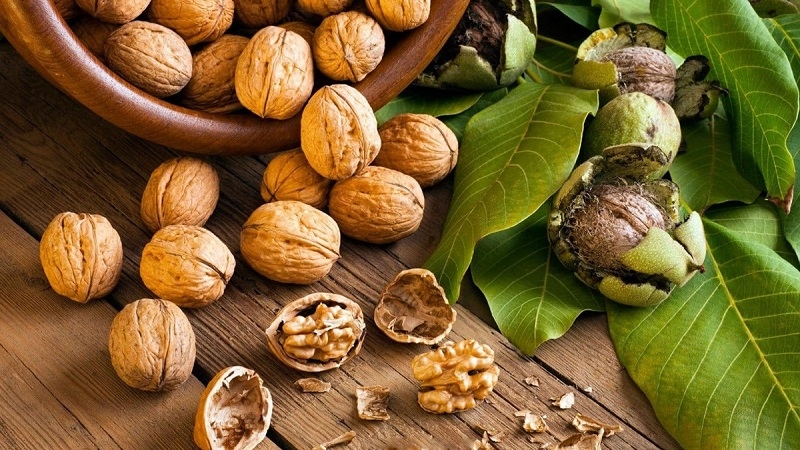
A common misconception is that energy-dense nuts must be restricted when pursuing a lean physique or optimal metabolic metrics. In reality, the complex structural makeup of these plant additions acts as an excellent stabilizer for blood sugar parameters and appetite control mechanisms.
Extending Satiety Through Nutritional Complexity
The triplet pairing of healthy plant proteins, structured dietary fibers, and multi-chain polyunsaturated fats creates a delayed digestive transit profile. This means energy is uncoiled and released into the bloodstream over hours, rather than minutes. This prevents sudden spikes and subsequent drops in personal energy levels, naturally minimizing intense cravings for processed sugars.
The Science of Incomplete Caloric Absorption
Fascinatingly, bio-mechanical investigations reveal that the human body does not fully extract every calculated calorie printed on standard nutritional charts for walnuts. The tough cell walls contain a portion of the lipid structures inside an un-absorbable matrix that exits the system naturally, meaning you gain all the functional protective benefits with less overall energetic load than anticipated.
6. Practical Integration Strategies for Daily Routines
To maximize the biochemical availability of these premium components without causing routine fatigue, versatility is key. They require minimal preparation and adapt perfectly across diverse culinary preferences.
Sustaining Quality Through Proper Storage
Because the precious polyunsaturated lipids are sensitive to warmth, light, and ambient air exposure over long durations, proper preservation techniques are highly recommended:
-
Short-Term Use: Keep raw kernels inside airtight glass containers placed within cool, dark pantries.
-
Long-Term Preservation: Store excessive volumes inside standard refrigeration or freezing units to halt natural oxidative degradation completely.
Creative Culinary Ideas
Avoid simplistic routines by scattering crushed pieces over morning oatmeal bowls, blending raw kernels into green smoothies to improve fat-soluble vitamin absorption, or pulverizing them with fresh herbs to create vibrant, nutrient-dense sauces for evening dishes.
7. Analytical Conclusion: A Small Habit with Systemic Rewards
True lifelong vitality is rarely built upon extreme transformations or single-focus trends. Instead, it is the result of consistent, micro-level daily choices that support human biology at its core. Integrating a handful of fresh walnuts into your weekly food plan offers an elegant, delicious, and deeply validated pathway toward systemic optimization. By supplying essential fats, protecting neurological integrity, and nurturing the gut ecosystem, this timeless nut remains one of the most effective tools for sustained, natural health preservation.