The Hidden Purpose of Dual Flush Toilet Buttons You Need to Know
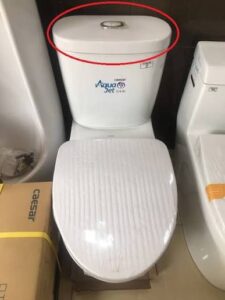
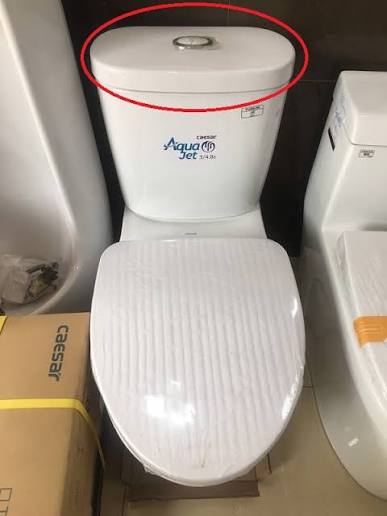
Most modern bathrooms feature a dual-flush toilet system equipped with two distinct buttons at the top of the tank. While nearly everyone uses them daily, surprisingly few people fully understand how they function or how to maximize their efficiency. If you think both options simply trigger the exact same release mechanism, you might be missing out on significant household utility savings and environmental benefits.
Understanding how these everyday fixtures work allows homeowners to maintain better plumbing, lower overall utility bills, and support modern eco-friendly living practices.
How Dual-Flush Systems Actually Function
The fundamental design behind dual-flush technology rests on standard fluid mechanics and volume control. Unlike traditional single-flush mechanisms that discharge the entire water volume regardless of need, dual-flush valves offer targeted options.
1. The Smaller Button (Half-Flush)
-
Target Usage: Designed specifically for liquid waste.
-
Volume Released: Typically uses around 3 liters (0.8 gallons) of water.
-
Mechanism: Releases a limited amount of water before quickly sealing the valve shut, utilizing gravity and minimal flow to clear the bowl cleanly.
2. The Larger Button (Full-Flush)
-
Target Usage: Formulated for solid waste clearance.
-
Volume Released: Delivers between 4.5 to 6 liters (1.2 to 1.6 gallons) per flush.
-
Mechanism: Opens the flush valve completely, allowing the full tank capacity to create powerful hydraulic pressure that clears heavier waste efficiently.
3. Pushing Both Buttons Simultaneously
In many modern dual-flush designs, pressing both buttons together triggers the maximum allowable capacity or engages a continuous flow until released. However, standard design guidelines recommend using individual buttons according to primary intent to prevent unnecessary component wear.
Key Benefits of Using Dual-Flush Buttons Correctly
Adopting accurate flushing habits yields several tangible advantages for everyday households.
| Advantage |
Traditional Toilet |
Modern Dual-Flush Toilet |
| Water Usage Per Flush |
Up to 9 – 12 Liters |
3 – 6 Liters |
| Annual Water Savings |
Minimal |
Up to 20,000+ Liters |
| Eco-Impact |
High Consumption |
Sustainable Efficiency |
| Component Stress |
High Wear |
Balanced Load |
-
Significantly Lower Water Bills: Utilizing the reduced volume option for liquid waste can reduce overall residential water consumption by up to 67%.
-
Extended Plumbing Lifespan: Reduced water momentum on minor flushes lowers ongoing stress on interior gaskets, fill valves, and pipe seals.
-
Eco-Friendly Living: Conserving water directly reduces the demand on local municipal water processing plants, contributing to modern environmental sustainability efforts.
Simple Maintenance Tips for Peak Efficiency
To ensure your dual-flush mechanism operates smoothly over time, keep these simple practices in mind:
-
Inspect the Push Rods: The plastic rods located beneath the buttons can loosen or shift over time. Adjusting their length ensures prompt valve response upon contact.
-
Check Seal Rings Regularly: Mineral buildup or hard water deposits can cause rubber flush valves to leak silently. Clean or replace seals every 2–3 years.
-
Avoid Harsh Internal Chemicals: Chemical drop-in tablets can deteriorate internal rubber seals prematurely, leading to silent leaks and increased water loss.
Final Thoughts
The two top-tank buttons are far more than just decorative plumbing choices. By choosing the correct setting each time, you take a practical step toward resource conservation, lower utility expenses, and a smoother-running home environment.