
He Ignored Stomach Pain for Months: What Doctors Found Shocked Everyone
When Stomach Pain Lasts Longer Than Expected Most people experience stomach pain from time to time. In many cases, the…
06/06/2026 15:42
As we advance in age, our bodies undergo numerous changes. One of the most common, yet frequently misunderstood, experiences for older adults is noticing puffiness or swelling in the lower extremities—specifically the legs, ankles, and feet. While this occurrence can be unsettling, understanding why it happens is the first step toward finding comfort and peace of mind.
This comprehensive guide explores the common reasons behind swollen legs in older adults, highlights the warning signs that deserve attention, and provides simple, actionable solutions to promote better leg comfort and overall wellness.
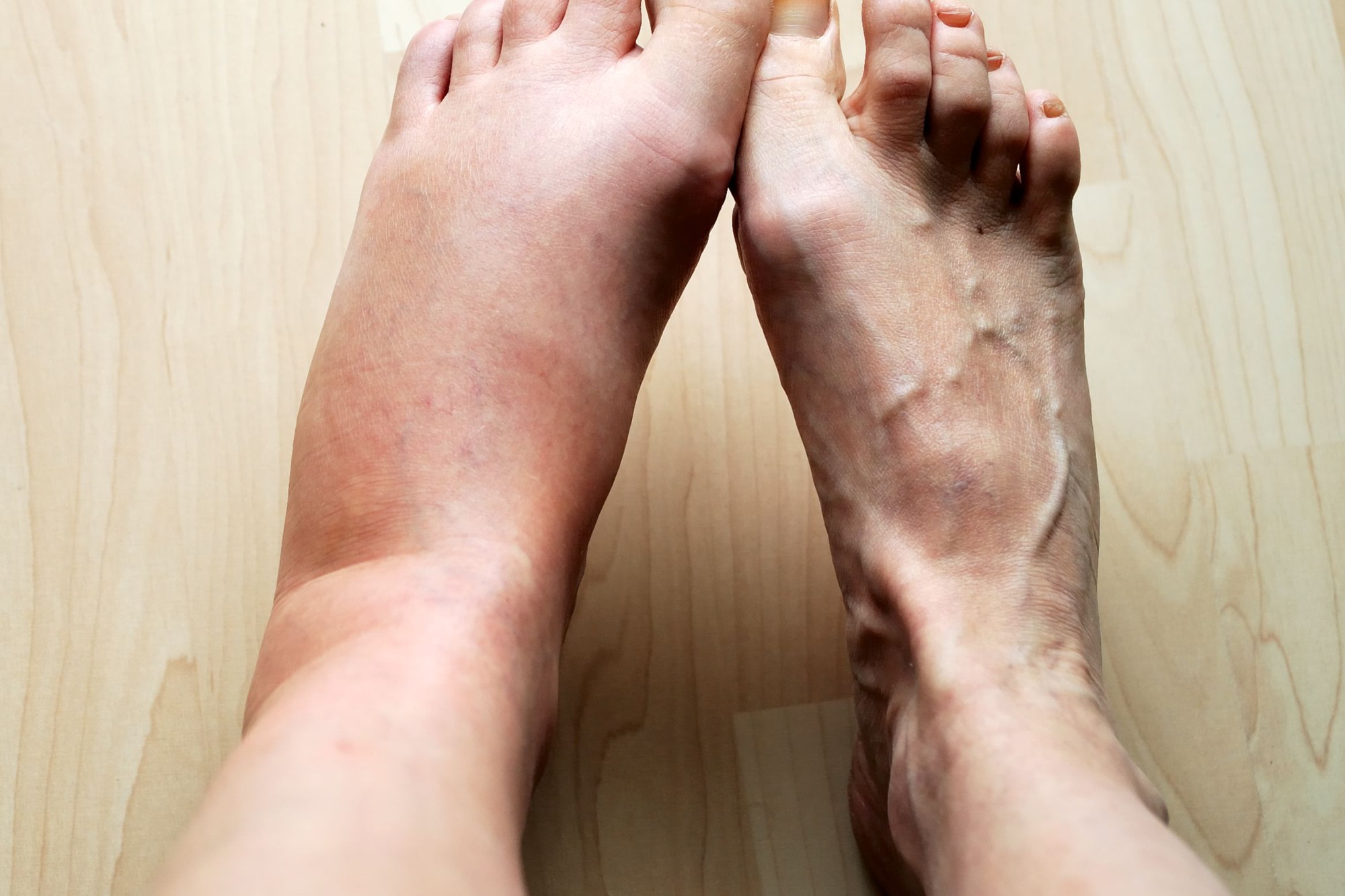
To grasp why lower body swelling occurs, it is helpful to understand how our bodies manage fluids. Throughout the day, gravity exerts a constant pull downward. In a youthful, highly active body, the circulatory system and muscles work in tandem to pump blood and fluids from the legs back up to the upper body.
However, as we age, several natural factors can make this upward journey more challenging. When the body struggles to efficiently circulate these fluids, they can gently pool in the tissues of the lower legs, resulting in a puffy appearance. This is a common part of the aging process for many, but it does not mean it cannot be managed effectively.
Understanding the root cause of leg discomfort is essential. Here are the primary reasons older adults may experience this issue:
The human body is designed for movement. The muscles in our calves act as a “second heart,” squeezing vessels to push fluids back upward every time we take a step. When older adults spend long periods sitting—whether reading, watching television, or simply resting—this natural pumping mechanism pauses. Without regular muscle contractions, gravity takes over, leading to fluid accumulation around the ankles.
What we eat plays a massive role in how our bodies hold onto water. Diets high in sodium (salt) are a leading culprit for fluid retention. Many processed foods, canned soups, and restaurant meals contain hidden sodium. When the body has too much salt, it holds onto extra water to dilute it, which often settles in the lowest parts of the body.
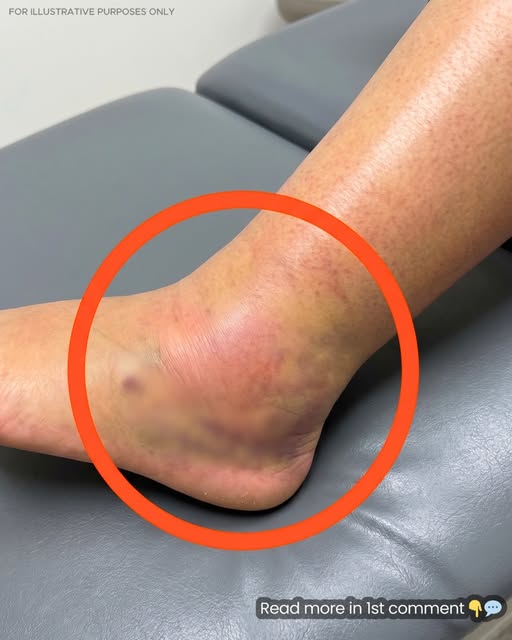
Aging naturally affects the elasticity of our skin and internal tissues, including the pathways that carry fluids. Over time, these pathways may lose some of their youthful tone and resilience, making them slightly less efficient at keeping fluids moving rapidly against gravity.
During warmer months or in hot climates, the body naturally expands its blood vessels to help cool down. This expansion can allow more fluid to seep into surrounding tissues. Older adults are often more sensitive to these temperature shifts, making summer a common time for increased leg puffiness.
Wearing shoes that are too tight, or socks with very tight elastic bands, can act like a gentle tourniquet. This restriction slows the natural flow of fluids back up the leg, causing them to pool below the point of constriction.
While mild, occasional swelling after a long day of sitting or during a hot afternoon is often typical, there are specific signs that indicate you should pay closer attention to your leg health. Being observant helps ensure that minor discomforts do not turn into larger concerns.
Typically, benign fluid retention affects both legs relatively equally. If you notice that one leg or ankle is significantly more swollen than the other, this is a distinct warning sign that warrants attention.
Fluid pooling from sitting or heat usually develops slowly over the course of the day. If swelling appears very suddenly or escalates rapidly within a matter of hours, it is important to take notice and seek professional guidance.
Pay attention to how the legs feel, not just how they look. Warning signs include:
A feeling of intense heat or warmth radiating from the swollen area.
Skin that feels unusually tight, stretched, or shiny.
Redness or noticeable changes in skin color (such as a bluish or bruised tint, as seen in many common age-related leg issues).
Discomfort or tenderness when the area is lightly touched.
A common way to check the nature of the swelling is to press a finger gently but firmly into the swollen area (like the top of the foot or the shin) for a few seconds. If the indentation remains for a while after you remove your finger, this is known as “pitting.” While common, it is a sign that fluid management needs to be addressed.
The good news is that there are many gentle, proactive steps older adults can take to minimize swelling and maintain comfortable, active legs. These simple solutions can easily be integrated into daily routines.
One of the most effective ways to counteract gravity is to use it to your advantage.
How to do it: When sitting or resting, elevate your legs so they are positioned slightly above heart level.
Tools: Use a recliner, stack a few comfortable pillows on a sofa, or use a specialized leg elevation wedge.
Frequency: Aim for 15 to 20 minutes of elevation, three to four times a day, especially in the late afternoon and evening.
You do not need to run a marathon to improve circulation. Gentle, consistent movement is incredibly beneficial.
Walking: A short, 10-minute walk around the house or garden every few hours engages the calf muscles.
Seated Exercises: Even while watching TV, you can practice “ankle pumps” (pointing your toes up toward the ceiling, then down toward the floor) or rotate your ankles in circles.
Flexibility: Gentle stretching of the calves and hamstrings helps maintain mobility and encourages fluid flow.
It might sound contradictory, but drinking more water can actually help reduce fluid retention. When the body is slightly dehydrated, it panics and holds onto every drop of water it has. By drinking plenty of fresh, pure water throughout the day, you signal to your body that it is safe to release excess fluids. Aim for steady sipping rather than gulping large amounts at once.
Small changes in the kitchen can lead to significant comfort in the legs.
Reduce Sodium: Read nutrition labels and choose low-sodium options. Flavor meals with herbs, spices, and lemon juice instead of the salt shaker.
Boost Potassium: Potassium naturally helps the body balance sodium levels. Incorporate foods like bananas, sweet potatoes, spinach, and avocados into your weekly meal planning.
Limit Processed Foods: Pre-packaged meals and fast food are notoriously high in sodium and preservatives that encourage puffiness.
Graduated compression wear can be a game-changer for older adults. These specialized socks or stockings are designed to be snugger at the ankle and gradually looser further up the leg. This intelligent design physically helps guide fluids upward, preventing them from settling in the feet. Always ensure these garments are fitted correctly to avoid unwanted constriction.
The shoes you wear deeply impact your lower body comfort.
Prioritize Comfort: Choose shoes with a wide toe box that allows your feet to spread naturally.
Adjustability: Shoes with velcro straps or adjustable laces are ideal because they can be loosened if the feet swell slightly as the day progresses.
Support: Look for cushioned soles and good arch support to reduce the impact on your joints and circulatory system during walks.
A light, soothing massage can manually encourage fluids to move out of the tissues.
Direction: Always massage in an upward direction, starting from the toes and moving up toward the knee.
Pressure: Keep the pressure gentle and comforting; deep tissue massage is not necessary and can be uncomfortable on stretched skin.
Lotions: Use a cooling lotion containing ingredients like peppermint or aloe vera for an extra soothing effect.
To effectively manage swollen legs, consistency is key. Here is an example of how to build a leg-friendly routine into a normal day:
Morning:
Before getting out of bed, perform 10 gentle ankle circles in each direction.
Drink a full glass of water right after waking up to kickstart hydration.
If you use supportive garments, put them on first thing in the morning before any swelling has a chance to begin.
Mid-Day:
Avoid standing in one place for too long while preparing lunch. Shift your weight from side to side.
Take a 15-minute break to elevate your legs on a cushion while reading or resting.
Opt for a lunch rich in fresh vegetables and lean proteins, avoiding heavily salted soups or cured meats.
Evening:
Take a short, gentle walk after dinner to encourage digestion and circulation.
Spend 20 minutes relaxing with your legs elevated above heart level.
Perform a gentle, upward leg massage using a soothing lotion before bed.
There is a lot of misinformation surrounding wellness and aging. Let’s clear up some common misconceptions regarding leg comfort.
Myth: Drinking water makes swelling worse. Fact: As mentioned earlier, proper hydration helps flush the system. Dehydration actually causes the body to hoard water, worsening the puffiness.
Myth: You must stop all physical activity if your legs are swollen. Fact: Unless advised otherwise by a wellness professional, immobility is often the enemy of circulation. Gentle, low-impact activity like walking or swimming is highly beneficial for moving stagnant fluids.
Myth: Leg swelling is always a sign of a severe problem. Fact: While it is important to be observant of warning signs, mild swelling after a long day or in hot weather is a very common, manageable aspect of aging related to gravity and normal circulatory changes.
Managing swollen legs is rarely about a single “quick fix.” It requires a holistic approach to your overall wellness. Factors such as maintaining a comfortable body weight, managing stress, and getting adequate, restful sleep all play supporting roles in how efficiently your body functions.
When the body carries excess weight, it puts additional pressure on the circulatory system in the lower half of the body, making it harder for fluids to return upward. Engaging in a balanced lifestyle not only helps with leg comfort but improves your general quality of life.
When Stomach Pain Lasts Longer Than Expected Most people experience stomach pain from time to time. In many cases, the…
As we advance in age, our bodies undergo numerous changes. One of the most common, yet frequently misunderstood, experiences for…

While most people view mayonnaise as a savory sandwich spread, seasoned bakers recognize it as a powerful secret weapon for…
Every single day, your body relies on a pair of sophisticated, bean-shaped powerhouses to filter waste, balance fluids, and keep…

What Does Your Favorite Nail Choice Say About Your True Inner Self? Have you ever wondered why you are drawn…

Teacher Alarmed By Child’s Drawing Of A House, Urges Parents To Seek Professional Help A simple drawing created by a…