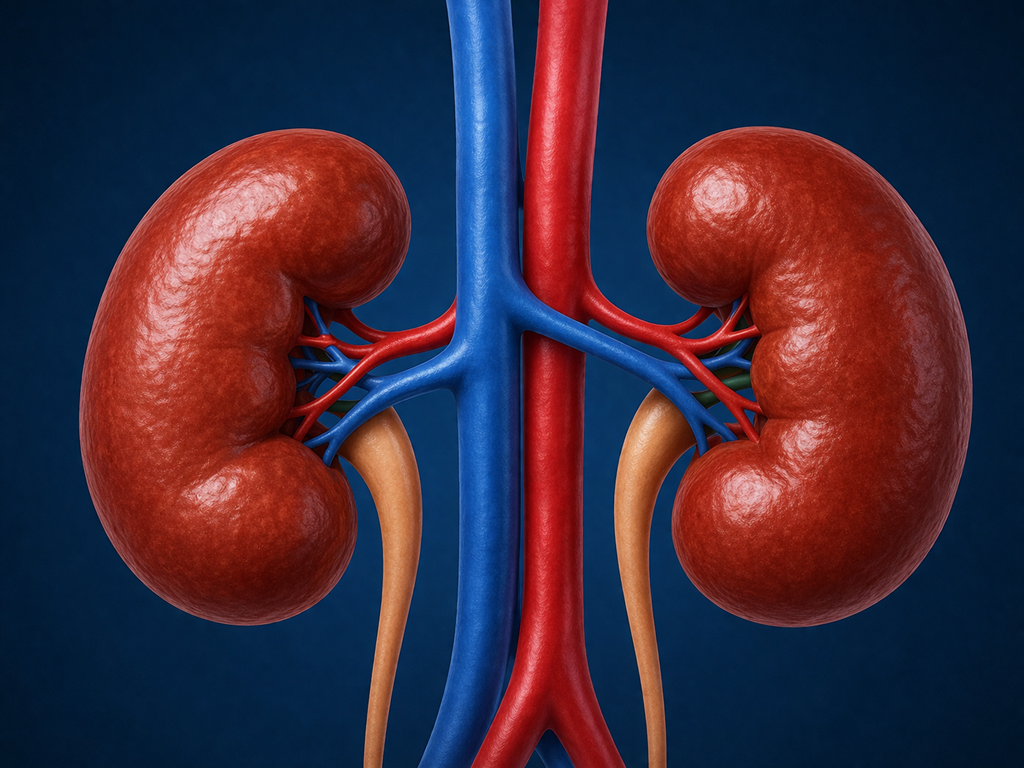
Every single day, your body relies on a pair of sophisticated, bean-shaped powerhouses to filter waste, balance fluids, and keep your internal chemistry running flawlessly. Yet, because these hardworking organs operate quietly in the background, it is incredibly easy to take them for granted. Many of us fall into routines that subtly stress our internal filtration systems without even realizing it.
Social media is full of dramatic warnings about total organ failure, but the reality is much more subtle. Gradual wear and tear often stems from the most mundane choices: what we drink, how we manage discomfort, and how we handle stress.
By understanding the exact habits that place an unnecessary burden on your body, you can make proactive, stress-free adjustments to protect your long-term vitality. Let’s dive deep into eight common daily habits that might be challenging your body’s natural filters and explore how you can easily fix them.
1. Underestimating the Power of Pure Hydration
It is one of the most common wellness phrases: “Drink more water.” But from a biological standpoint, proper fluid intake is the absolute foundation of internal cleansing. Your filtration system depends heavily on a steady stream of water to flush out metabolic waste products, excess salts, and toxins.
When you consistently skip water in favor of sugary drinks, or simply forget to drink until you are parched, your blood becomes more concentrated. This forces your internal filters to work significantly harder to concentrate waste into a smaller volume of fluid.
The Consequences of Dehydration

-
Waste Accumulation: Solutes like calcium and uric acid can concentrate, increasing the likelihood of uncomfortable crystal formations.
-
Reduced Blood Flow: Chronic low fluid volume reduces the efficiency of your circulatory system, meaning your organs receive less oxygenated blood.
The Fix
You do not need to consume gallons of water a day, but aim for a steady intake that keeps your urine a pale, straw-like color. If you struggle with plain water, try infusing it with slices of cucumber, mint, or lemon to make it more appealing.
2. Overusing Common Over-the-Counter Discomfort Relief
When a headache strikes or joint soreness flares up after a workout, reaching for a quick-fix pill from the medicine cabinet is almost a reflex. While temporary relief options are incredibly helpful, relying on them as a daily crutch can be incredibly taxing on your internal chemistry.
Certain common over-the-counter tablets—specifically non-steroidal anti-inflammatory options—work by blocking specific enzymes to reduce swelling and pain. However, these same enzymes help maintain optimal blood flow to your filtration organs.
Important Note: Consistently taking these pain relievers over long periods, or exceeding the recommended dosage, can drastically reduce the blood supply to your vital filters, causing quiet, progressive stress over time.
The Fix
Reserve over-the-counter pain relief for acute situations rather than chronic management. If you experience daily discomfort, collaborate with a healthcare professional to identify the root cause and explore alternative management strategies like physical therapy, warm compresses, or targeted supplements.
3. Letting Invisible Dietary Salt Creep In
Sodium is an essential mineral that helps regulate fluid balance and nerve function. However, the modern diet is completely saturated with hidden sodium. It isn’t just the salt shaker on your dinner table; the vast majority of excess sodium comes pre-packaged in processed foods, restaurant meals, canned soups, and savory snacks.
When your system is flooded with excess sodium, your body retains water to dilute it. This extra fluid increases the volume of blood moving through your blood vessels, leading to elevated pressure.
This persistent, elevated pressure acts like a high-pressure hose inside a delicate plumbing system, slowly wearing down the microscopic filtering units over years of exposure.
Low-Sodium Flavor Enhancers
To cut back on salt without sacrificing taste, try upgrading your spice cabinet with these vibrant alternatives:
-
Garlic and Onion Powder: Provides a savory, deeply satisfying base note to any dish.
-
Fresh Citrus Juices: A squeeze of lemon or lime mimics the brightness of salt on the tongue.
-
Smoked Paprika: Adds a rich, earthy depth to roasted meats and veggies.
-
Herbs: Rosemary, thyme, and basil add incredible aroma and freshness.
4. Satisfying a Heavy Sweet Tooth
Sugar is notoriously linked to weight gain and metabolic imbalances, but its impact on your internal filtration system is equally profound. High sugar consumption, particularly from high-fructose corn syrup found in sodas, pastries, and condiments, triggers metabolic cascades that stress your entire body.
When blood sugar levels fluctuate wildly or remain consistently high, the delicate blood vessels responsible for filtering waste become compromised. Over time, sugar stiffens these vessels, reducing their elasticity and filtering efficiency. Furthermore, high fructose intake can elevate uric acid levels, adding another layer of metabolic stress.
The Fix
Begin reading ingredient labels carefully. Swap out sugary sodas for sparkling water with a splash of 100% fruit juice. When a sweet craving hits, opt for whole fruits like berries or apples, which provide natural sugars alongside fiber that slows down absorption.
5. Experiencing Regular Rest and Sleep Deficits

In our fast-paced world, sacrificing sleep to squeeze more productivity or entertainment into the day is practically a badge of honor. However, sleep is not a passive state of rest; it is an active period of cellular repair, detoxification, and tissue regeneration.
Interestingly, your internal filtration organs operate on a strict circadian rhythm. During the deep stages of sleep, your body orchestrates complex hormonal balances and tissue repairs that help restore these organs after a long day of filtration work. Chronic sleep deprivation disrupts this natural biological clock, leaving the organs with fewer opportunities to heal and recover.
Tips for Better Sleep Hygiene
-
Set a Curfew: Turn off electronic screens at least 45 minutes before bed to allow your mind to wind down.
-
Keep it Cool: Maintain a cool, dark, and quiet bedroom environment to encourage deep sleep phases.
-
Consistency is Key: Go to bed and wake up at the same time every day, even on weekends, to lock in your circadian rhythm.
6. Consuming Excess Heavily Processed Elements
While protein is an essential building block for muscle repair and hormone production, an extreme overconsumption of highly processed meats or purely animal-based protein can alter the acid-base balance in your body.
Digesting heavy amounts of animal protein generates a significant amount of fixed acids in the bloodstream. Your filtration system is tasked with neutralizing and excreting this acid. If your diet lacks balancing alkaline foods—such as leafy greens, vegetables, and fruits—your filters must work overtime to maintain a stable, safe internal pH.
7. Staying Seated for Hours on End
With so many professions shifting to desks and computers, prolonged sitting has become a dominant feature of modern life. Physical inactivity is closely linked to metabolic sluggishness, poor circulation, and altered glucose metabolism.
When you sit for hours without moving, your circulation slows down. Regular physical movement helps maintain healthy blood flow and assists in regulating blood pressure and glucose levels—two critical factors that directly influence the health of your filtration system.
The Fix
Incorporate “movement snacks” into your workday. Set a timer to stand up, stretch, or walk around for two to three minutes every hour. Taking a brisk 15-minute walk after lunch can also work wonders for your circulation and overall metabolic health.
8. Ignoring the Standard Call of Nature
It happens to everyone: you are deep in a workflow, driving a long distance, or simply comfortable on the couch, so you choose to delay going to the bathroom. While holding your urine occasionally is perfectly harmless, doing it habitually can lead to undesirable consequences.
When urine sits in the bladder for extended periods, it creates a stagnant environment where bacteria can multiply more easily. Additionally, keeping the bladder chronically overstretched can increase the pressure upstream in the urinary tract, eventually placing mechanical stress back onto the filtration organs themselves.
The Fix
Listen to your body’s natural signals. When you feel the urge to go, make it a priority to visit the restroom within a reasonable timeframe. It is a simple act of respect for your body’s elimination system.
Small Upgrades, Massively Positive Results
Protecting your body’s natural filtering systems doesn’t require a radical, stressful lifestyle overhaul. In fact, dramatic, restrictive wellness trends often do more harm than good. Instead, focus on sustainable, gentle adjustments to your daily routine.
Start by pouring yourself an extra glass of water today. Swap out a processed, salty snack for a piece of fresh fruit. Give your body the gift of an extra 30 minutes of rest tonight. By replacing taxing habits with supportive ones, you provide your silent internal guardians with exactly what they need to keep you vibrant, energized, and thriving for years to come.