
The Hidden Risks in Market Food Containers
Healthy eating requires looking closely at how our daily food is stored. Fermented foods and traditional preserves are staple items…
22/05/2026 16:28
Visible veins are something many people notice suddenly one day while looking at their hands, arms, legs, or chest. For some, they appear after exercise. Others see them more clearly with age, weight changes, or hot weather. While visible veins are often completely natural, they can sometimes reflect changes happening inside the body.
The topic has become popular online because people are curious about what these veins truly mean. Are they connected to circulation? Fitness? Aging? Stress? Or are they simply a normal physical feature?
This article explores the most common reasons veins become more noticeable, what factors influence vein visibility, when it may be worth paying attention, and how lifestyle habits can affect circulation and skin appearance.
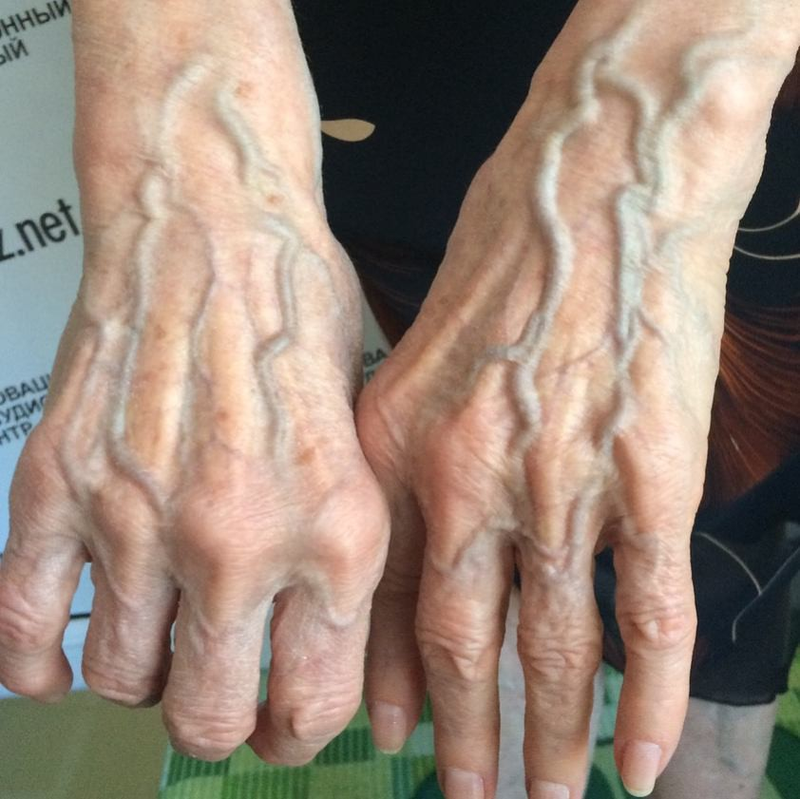
Veins carry blood back toward the heart. Some veins sit deeper beneath the skin, while others are closer to the surface. When veins become more noticeable, it is usually related to changes in the skin, body composition, blood flow, or pressure within the veins themselves.
In many cases, visible veins are not dangerous. They are simply easier to see because of natural body characteristics or temporary conditions.
Several factors can make veins stand out more clearly.
One of the most common reasons veins appear prominent is low body fat.
When a person has less fat beneath the skin, veins are naturally closer to the surface. This is especially common among:
People with lower body fat percentages often notice veins in the:
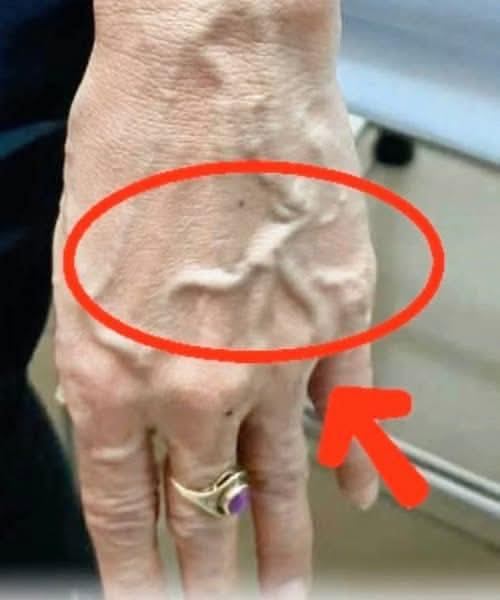
During workouts, muscles expand and blood flow increases, making veins appear even larger for a short period of time.
This is often referred to as a “vascular” appearance in fitness culture.
As people age, the skin gradually becomes thinner and loses collagen. This makes the structures underneath the skin easier to see, including veins.
Older adults commonly notice:
Aging also affects the valves inside veins. Over time, veins may become less efficient at pushing blood upward against gravity, especially in the legs.
This is why vein visibility often increases with age even in healthy individuals.
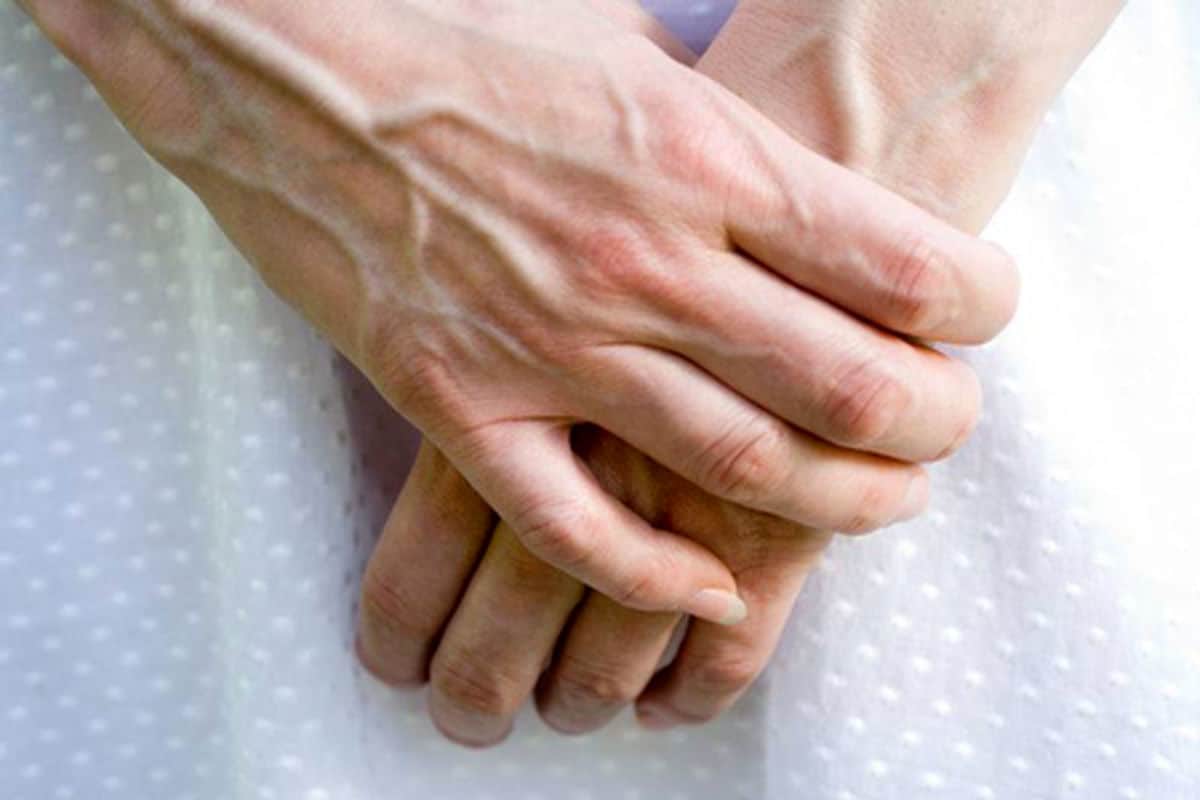
After exercise, veins often appear larger or more pronounced. This happens because physical activity increases circulation and raises pressure inside blood vessels temporarily.
Strength training can especially create a strong “pump” effect, where muscles swell and veins expand.
Common triggers include:
For many people, these changes fade after the body cools down and heart rate returns to normal.
Hot weather can make veins appear more visible because blood vessels naturally widen to help release body heat.
This process is part of the body’s cooling system.
People often notice veins becoming more obvious during:
Once body temperature returns to normal, veins usually become less noticeable again.
Some people naturally have more visible veins because of genetics.
Inherited traits can influence:
Fair or lighter skin tones may also make veins easier to see because there is less pigmentation covering the blood vessels beneath the skin.
For many individuals, visible veins are simply part of their natural appearance.
Stress affects many systems inside the body, including circulation.
When stress hormones rise, blood vessels can react in different ways depending on the person and the situation. Temporary circulation changes may cause veins to appear more noticeable for short periods.
Stress may also contribute indirectly through:
While stress alone does not usually cause major vein issues, long-term lifestyle imbalance can affect overall vascular health.
Hydration plays an important role in circulation and blood volume.
Mild dehydration may sometimes make veins appear sharper because surrounding tissues lose fluid volume. Athletes often notice this effect during intense training sessions.
Proper hydration supports:
Drinking enough water consistently can help maintain healthier circulation patterns.
Healthy eating requires looking closely at how our daily food is stored. Fermented foods and traditional preserves are staple items…

Visible Veins Explained: What Your Body Might Be Telling You Visible veins are something many people notice suddenly one day…

A seemingly straightforward primary school math problem recently went viral across social media, leaving thousands of parents, educators, and adult…

The Hidden Tick Parents Often Miss in Their Child’s Hair Finding a strange insect in your child’s hair can instantly…

When you stroll down the dairy aisle of your local supermarket, you are greeted by an abundance of choices. You…

Imagine stepping into your sanctuary for a warm, relaxing shower, only to look down and find a scene straight out…