The Ultimate Guide to Identifying Mysterious Small Wooden Objects
Uncover the secret purpose behind this mysterious wooden peg today.
Introduction: The Mystery Behind Small Wooden Objects
Have you ever cleaned out a kitchen drawer, disassembled an old piece of furniture, or moved into a new home only to discover a small, unexplained wooden object? These tiny crafted pieces often leave people scratching their heads. While they may look simple or even insignificant at first glance, these small wooden items usually serve a crucial structural, decorative, or functional purpose.
Understanding what these objects are can save you from accidentally throwing away a vital component of your household furniture, vintage collectibles, or musical instruments. In this comprehensive guide, we will explore the true identity, purpose, and history of small tapered wooden objects, along with practical tips on how to identify and maintain them.
What Is This Mysterious Small Wooden Object?
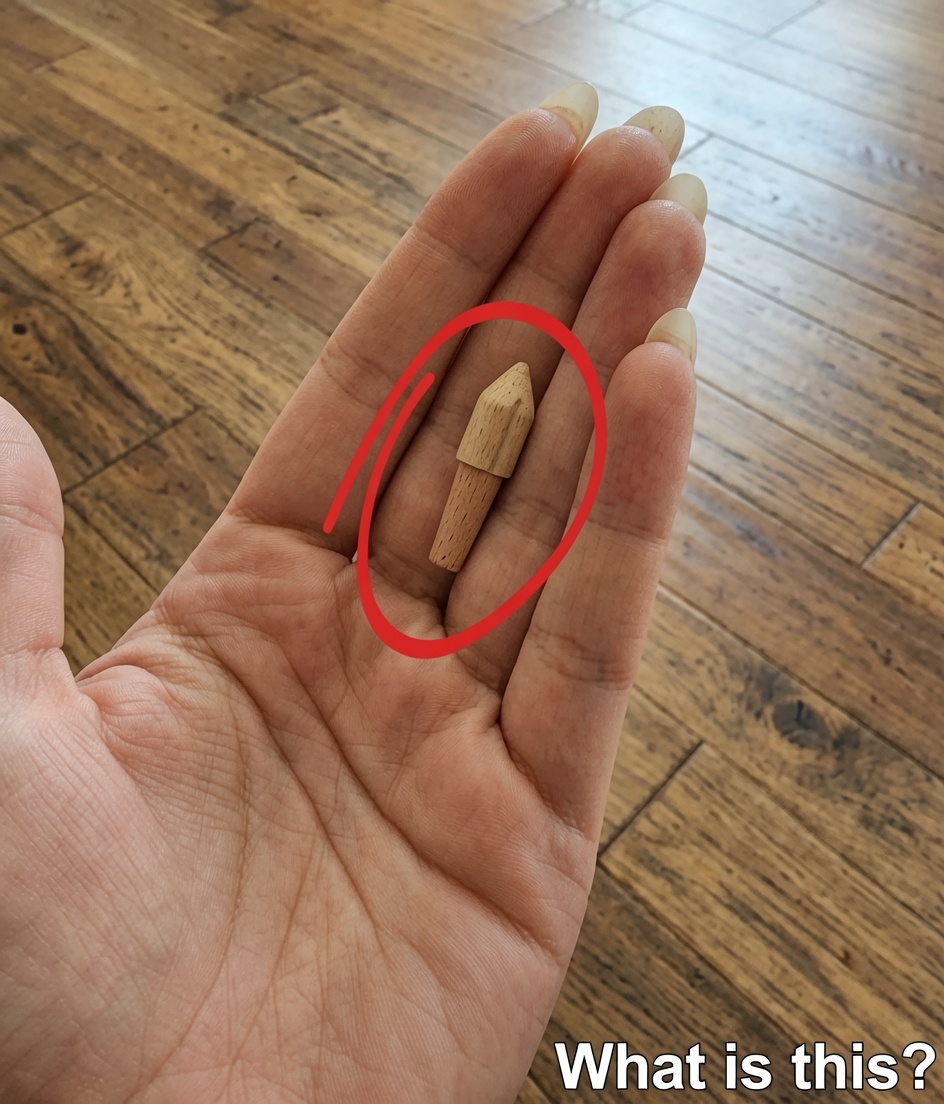
When examining small, cylindrical wooden pieces with a tapered or pointed end, you are most likely looking at a wooden dowel pin, a furniture joinery peg, a shelf support pin, or a wooden screw-hole plug.
Key Visual Characteristics
To pinpoint the exact function of the wooden object in your hand, pay attention to these specific design details:
-
Tapered Tip: A narrowed or pointed end allows the pin to enter pre-drilled holes easily without splitting the surrounding wood grain.
-
Cylindrical Base: The straight portion provides friction and stability when inserted tightly into a matching hole.
-
Beveled Edges: Smooth, chamfered edges prevent chipping and splintering during installation or repeated removal.
-
Wood Grain Orientation: High-quality functional pegs are cut along the grain to maximize tensile strength and resist sheer force.
Top 5 Uses for Small Wooden Pegs and Pins
Small wooden components play an essential role across various industries, from traditional woodworking to modern flat-pack furniture. Below are the five most common applications.
1. Traditional Wood Joinery (Dowel Joints)
Before nails, screws, and synthetic adhesives became mass-produced, woodworkers relied on wooden joinery. Small wooden pegs (often called trunnels or dowels) were driven into interlocking wood pieces to hold structures together.
Even in modern furniture manufacturing, alignment dowels are hidden inside joints to provide lateral strength and keep surfaces flush.
2. Adjustable Shelf Support Pins
Many wooden bookcases, kitchen cabinets, and display units feature rows of small holes along their interior side panels. Small wooden or brass pegs fit securely into these holes, providing sturdy support ledges for adjustable shelving boards.
3. Concealing Countersunk Fasteners (Screw Plugs)
In fine woodworking, visible screw heads can detract from the beauty of natural timber. Craftsmen drill countersunk holes for screws and then tap tiny tapered wooden plugs over the screw heads. Once sanded flat and stained, the metal hardware becomes completely invisible.
4. Acoustic Musical Instrument Components
Acoustic guitars, violins, cellos, and dulcimers rely heavily on precision-carved wooden pegs:
5. Classic Board Games and Toys
Vintage wooden games such as cribbage, solitaire, marble runs, and building sets frequently utilize small turned-wooden pins as game pieces or structural connectors.
How to Identify Unknown Household Hardware
If you find a mysterious piece of hardware and want to figure out where it belongs, follow this step-by-step identification process:
Step 1: Examine the Material and Texture
-
Smooth Varnish or Lacquer: Indicates an exterior or visible part, such as a shelf pin, game piece, or cabinet accent.
-
Rough or Unfinished Surface: Suggests an internal structural component, such as an alignment dowel meant to absorb glue.
Step 2: Measure the Dimensions
Use a ruler or caliper to check the diameter and length:
-
Standard Dowels: Usually measure 6mm, 8mm, or 10mm in diameter.
-
Vintage Pegs: May feature non-standard imperial measurements like 1/4 inch or 3/8 inch.
Step 3: Inspect Nearby Furniture
Check surrounding tables, chairs, cabinets, and bookcases for empty holes. Look specifically at:
-
The underside of table leaves
-
Interior side walls of shelving units
-
Corner joints on wooden chairs or bed frames
Why Wood Outperforms Synthetic Materials in Joinery
While modern manufacturing often substitutes plastic or metal for small components, traditional wooden pegs remain superior in craft woodworking for several compelling reasons:
Practical DIY Hacks for Reusing Extra Wooden Pegs
Don’t throw away spare wooden pegs! You can repurpose them around your home for practical everyday solutions:
-
Drawer Knob Extenders: Glue small pegs behind shallow cabinet handles to improve grip.
-
Plant Supports: Use longer pegs to prop up delicate seedlings or indoor potted plants.
-
Custom Key Holders: Mount small wooden pins vertically onto a decorative timber board to create a rustic wall-mounted key rack.
-
Gap Fillers: Use small tapered pegs combined with wood glue to repair stripped screw holes in doors or cabinets before re-installing hardware.
Frequently Asked Questions
What should I do if a wooden peg swells and gets stuck?
Wood expands when exposed to high moisture levels. If a wooden pin becomes wedged in a hole, apply gentle dry heat using a hairdryer on a low setting for a few minutes. The heat helps evaporate excess moisture, shrinking the wood slightly so it can be safely removed without breaking.
How do I replace a missing wooden shelf pin?
Measure the diameter of the existing holes in your cabinet. You can purchase matching hardwood dowel rods at any local hardware store, cut them to length with a hand saw, and sand the ends smooth to create a perfect replacement.
Why do some wooden dowels have grooves on the side?
Grooves (known as flutes) allow excess glue and trapped air to escape when the dowel is driven into a hole. This prevents hydrostatic pressure from splitting the wood frame and ensures an even distribution of adhesive.
Conclusion
Small wooden pegs may seem mysterious at first, but they represent centuries of smart engineering and craftsmanship. Whether serving as hidden joinery pins, decorative hole plugs, or adjustable shelf supports, these small components keep our homes sturdy and organized. The next time you spot one of these curious objects, you will know exactly what it is and how it works!