
5 Things You Should Never Throw Away After a Loved One Dies
5 Things You Should Never Throw Away After a Loved One Dies Losing someone close to you brings a wave…
25/05/2026 13:25
When a parent notices unusual textures or shapes on their little one’s skin, it naturally sparks concern. This is especially true when an issue persists for weeks or even months without showing improvement. A frequent point of discussion among families involves the sudden or gradual appearance of raised, circular patterns around the neck region in school-aged children.
While many automatically associate circular patterns with a single cause, dermatological issues in growing young ones can stem from various sources. Understanding the underlying factors, common signs, and proper management strategies can help you support your little one’s well-being effectively.
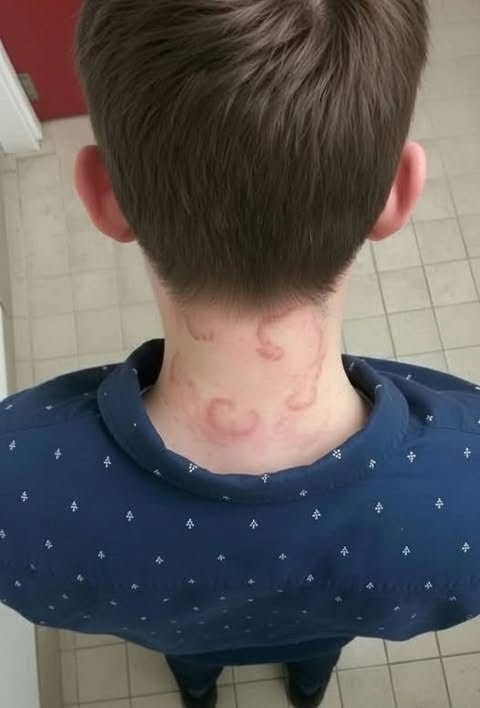
Skin issues that form a circular or serpentine configuration are often referred to by medical professionals as “annular” lesions. In children, the neck is a highly vulnerable area due to constant friction from clothing, sweat accumulation, and exposure to environmental elements.
Active Borders: The outer boundary of the circle or curve is often slightly raised, rough, or darker in color than the surrounding area.
Central Clearing: As the pattern expands outward, the skin in the very center may begin to look normal, clear, or less inflamed.
Overlapping Shapes: Sometimes, multiple individual circles merge together to create wavy, snake-like, or incomplete circular tracks across the skin.

A persistent, non-healing pattern that lingers for months usually rules out simple, short-lived conditions like heat rash or temporary bug bites. Instead, it point toward issues that require targeted, consistent management.
| Potential Issue | Main Characteristics | Common Progression |
| Superficial Fungal Infestation | Scaly edges, mild irritation, expanding circular borders. | Spreads gradually to nearby skin or family members. |
| Chronic Allergic Reaction | Intensely dry, thickened skin, localized to clothing lines. | Flares up repeatedly depending on environmental triggers. |
| Autoimmune or Tissue Alterations | Smooth, firm, deep-seated rings without surface scales. | Remains unchanged for months, often entirely painless. |
One of the most frequent explanations for a circular, expanding pattern in school-aged kids is a superficial fungal issue, widely known as ringworm. Despite the misleading historical name, this has absolutely nothing to do with parasites or worms.
It is caused by microscopic organisms called dermatophytes that thrive on the dead keratin layers of the skin. Because young children frequently interact with peers at school, share sports equipment, or cuddle family pets, they are prime candidates for this highly contagious issue.
Not all circles are fungal. A form of localized skin sensitivity can cause dry, raised, circular plaques. When children experience chronic dryness, their skin barrier weakens. Friction from shirt collars combined with perspiration can cause persistent, round, irritated patches on the back of the neck that refuse to fade without deep, consistent moisture support.
If the circular pattern is completely smooth to the touch—meaning there are absolutely no dry flakes, scales, or fluid—it could be a benign, chronic condition known as granuloma annulare. This involves localized changes in the deeper layers of the skin tissue, creating firm, raised bumps arranged in a perfect or semi-perfect circle. It can last for months or even years, usually causing zero physical discomfort.
It can be incredibly frustrating to watch a skin issue linger for two or more months. There are several reasons why a pediatric neck rash might stall in its healing process:
Incomplete or Interrupted Care: Many topical solutions require application for a full week after the marks visibly disappear to completely eradicate the underlying root cause. Stopping early often allows the issue to bounce back stronger.
Constant Re-exposure: If a household pet (like a kitten or puppy) or a school sports teammate is harboring a silent fungal issue, the child will continually catch it again, neutralizing any progress made at home.
Inappropriate Topicals: Applying heavy steroid creams to a fungal issue might temporarily reduce the redness, but it actually suppresses the local immune response, allowing the fungus to grow deeper and spread wider over time.
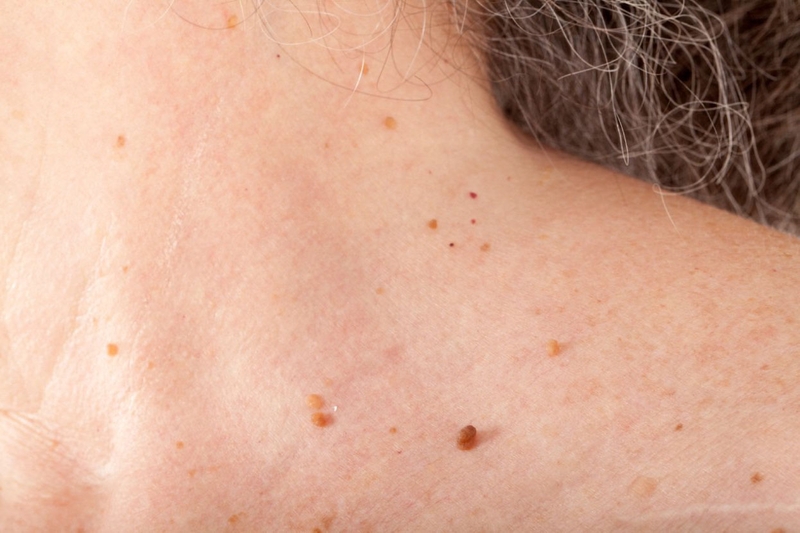
While waiting to consult with a qualified medical professional, maintaining a clean, low-irritation environment is vital to prevent the issue from escalating.
Ensure your child uses a mild, fragrance-free cleanser during bath time. Avoid scrubbing the neck area forcefully with washcloths, as micro-tears in the skin barrier can allow localized issues to spread further across the body. Gently pat the area completely dry with a clean towel immediately after bathing.
Because many circular skin issues are transmissible through touch or shared objects, wash all of your child’s clothing, pajamas, towels, and bedsheets in hot water. Avoid using harsh fabric softeners or heavily scented detergents that could further inflame an already compromised skin barrier.
Take a close look at any domestic animals in your home. Look for hidden patches of hair loss, scaly skin, or frequent scratching around their ears and paws. If a pet shows signs of skin irritation, a quick trip to the veterinarian is necessary to stop the cycle of re-exposure.
While home care and hygiene adjustments are excellent supportive measures, a persistent skin issue that has lasted for two months or longer requires a formal evaluation by a pediatrician or a pediatric dermatologist.
Important Safety Reminder: Seek professional medical advice immediately if you notice signs of a secondary bacterial issue, such as yellow crusting, oozing fluid, increased warmth to the touch, severe tenderness, or if your child develops a fever.
A professional can perform a simple skin scraping or use a specialized light to pinpoint the exact origin of the circles, ensuring your child receives the precise, effective care they need to return to comfort.
5 Things You Should Never Throw Away After a Loved One Dies Losing someone close to you brings a wave…
Child Skin Health: Decoding Ring-Shaped Marks On The Neck When a parent notices unusual textures or shapes on their little…
For generations across many Asian cultures, snakes have never been seen as ordinary animals. Beyond fear and danger, they are…

When a Simple Swelling Conceals a Life-Threatening Medical Emergency It is incredibly common to dismiss minor bodily changes. A slightly…

Losing a person who held a significant place in your life alters your world forever. The journey through mourning is…

When it comes to personal hygiene, everyone seems to have a definitive opinion. Some people wouldn’t dream of starting their…