
The Depth of Animal Sentience: Understanding the Emotional Lives of Companions
Introduction: The Window to a Sentient Soul Look closely into the eyes of a rescued dog, a street animal, or…
25/05/2026 15:45
Cutting into a fresh spud only to discover a dark, shadowy circle lurking inside is an instant appetite crusher. You were likely anticipating a fluffy, comforting meal, but instead, you are left staring at a bizarre structural anomaly. This specific phenomenon is known as vascular ring discoloration.
While it looks incredibly alarming, understanding the science behind this localized browning can help you decide whether to salvage your dinner or toss it out entirely.
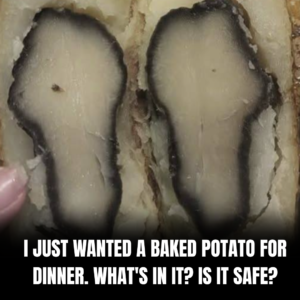
To understand why this dark outline forms, it helps to look at the anatomy of a tuber. Potatoes contain an internal transportation network called the vascular system. This network distributes water, carbohydrates, and essential nutrients throughout the vegetable as it grows underground.
When a potato experiences intense environmental stress while still in the soil, the cells within this specific vascular ring can die off prematurely. Once these cells collapse, a natural chemical reaction occurs:
Enzymatic Oxidation: The damaged tissues release internal enzymes.
Melanin Production: When these enzymes interact with the potato’s natural phenolic compounds, they oxidize, creating a dark melanin pigment.
The Result: A distinct, dark-colored silhouette that perfectly traces the internal shape of the tuber.
Several distinct agricultural factors can trigger this localized cell damage before the crop ever reaches grocery store shelves.
Extreme environmental shifts are the primary culprits. If a growing field experiences a prolonged period of heat and drought, followed by a sudden deluge of rain or heavy irrigation, the rapid shift in moisture causes internal tissue shock. The fragile vascular ring bears the brunt of this sudden stress.

Before harvesting certain varieties, farmers often apply treatments to kill the above-ground vines. This encourages the potatoes to form a thicker skin for storage. However, if this process happens too rapidly—especially during hot, dry conditions—the plant pulls moisture out of the tuber too quickly, killing the internal vascular tissue and causing immediate browning.
Potatoes are highly sensitive to temperature fluctuations post-harvest. If they are stored in environments that are far too cold, or if they experience freezing temperatures during transit, the cells near the outer edges can rupture, leading to dark internal marking.
The big question on everyone’s mind when faced with an unappealing vegetable is whether it poses a health risk.
The Short Answer: It is not inherently toxic, but it might not taste very good.
Because this condition is caused by environmental stress and natural oxidation rather than a living pathogen, it is generally considered safe. However, there are a few practical rules to follow before deciding to cook with it:
Always evaluate the overall integrity of the food before making a decision. Use this simple checklist:
| Indicator | Good Sign | Warning Sign | Action Required |
| Texture | Firm and crisp | Mushy, slimy, or hollow | Discard immediately |
| Aroma | Earthy and neutral | Sour, musty, or foul | Discard immediately |
| Coloring | Isolated dark ring | Spreading black rot or mold | Discard immediately |
If the potato is perfectly firm, smells normal, and only displays that thin, dark outline, it is technically edible. However, those oxidized areas can sometimes take on a bitter, woody, or unpalatable flavor.
If you still want to use the potato, simply take a knife and deeply cut away the darkened portions. The remaining white or yellow flesh is perfectly fine to cook, mash, or bake as originally planned.
It is easy to confuse vascular discoloration with other common potato issues. Knowing the difference can help you identify what is happening to your produce.
Hollow Heart: This manifests as an empty, star-shaped cavity right in the dead center of the spud, often caused by rapid growth spurts. It is entirely safe to eat around.
Blackheart: This shows up as a large, solid black mass in the center, caused by a lack of oxygen during storage.
Bacterial Soft Rot: Unlike dry, oxidized rings, this issue turns the vegetable into a wet, foul-smelling, mushy mess. This is a clear indicator of spoilage, and the item must be thrown away.
To minimize the chances of dealing with unexpected internal flaws, keep these selection and care tips in mind:
Inspect Thoroughly: Choose specimens that feel heavy for their size, are completely firm to the squeeze, and show no signs of external bruising, cuts, or soft spots.
Store Correctly: Keep your stock in a cool, dark, and well-ventilated space like a pantry or a paper bag.
Avoid the Refrigerator: Cold refrigeration temperatures convert the vegetable’s starches into sugars prematurely, altering the flavor and texture while increasing the risk of internal discoloration.
Introduction: The Window to a Sentient Soul Look closely into the eyes of a rescued dog, a street animal, or…

The Ultimate Guide to the Benefits of a Weekly Foot Soak Have you ever considered the impact that a simple…

Common “Mystery Relics” Decoded Object What It Is Why It Faded Butter mold with flower imprint Wooden press for shaping…

Funerals are moments filled with grief, shock, and emotional vulnerability, yet many people unintentionally say things they believe are comforting…
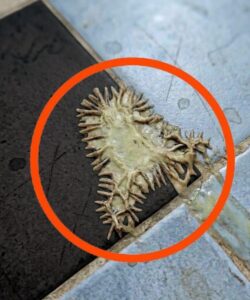
The Viral Bathroom Creature: Separating Fact From Fiction Social media is no stranger to “clickbait” images designed to leave you…
Is That Potato Safe? Cutting into a fresh spud only to discover a dark, shadowy circle lurking inside is an…