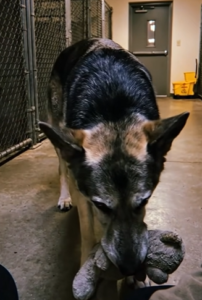
The Heartwarming Tale of a Shelter Dog’s Ultimate Act of Kindness
The Heartwarming Tale of a Shelter Dog’s Ultimate Act of Kindness Discover how an old shepherd mix changed lives with…
25/05/2026 16:41
Look closely into the eyes of a rescued dog, a street animal, or the companion sleeping at the foot of your bed. What do you see? For decades, conventional mindsets viewed animals through a purely mechanical lens—as creatures driven solely by basic survival instincts, reflexes, and genetic programming. Today, both evolutionary biology and modern neuroscience are shattering these outdated dogmas.
When you look into those expressive eyes, you are not looking at an unfeeling object or a simple biological machine. You are looking at a sentient being. Those eyes hold the weight of an entire lifetime: deep-seated memories of the past, spontaneous moments of pure joy, paralyzing instances of fear, and an enduring spark of hope for a safer tomorrow.
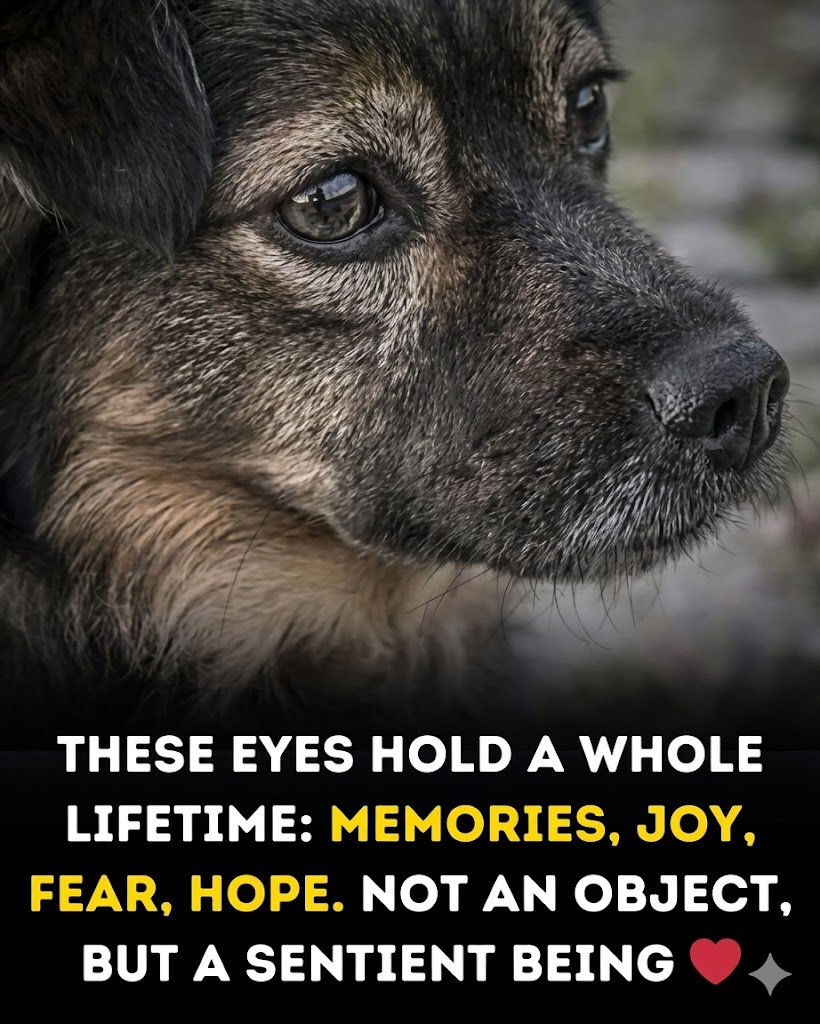
Animal sentience—the capacity of non-human animals to experience positive and negative subjective states, including feelings, emotions, and sensations—is no longer a mere philosophical debate. It is a scientifically verified reality with massive ethical, social, and legal implications. Understanding that animals feel comfort, pain, loneliness, and affection changes everything about how we interact with the natural world. It shifts our responsibility from mere ownership to active guardianship, empathy, and protection.
In this comprehensive guide, we will dive deep into the multifaceted world of animal emotions. We will explore the latest scientific breakthroughs validating animal consciousness, examine the evolutionary purpose of feelings, discuss the psychological impacts of trauma and recovery in rescues, and outline how humanity can foster a more compassionate world for our sentient cohabitants.
To appreciate the inner lives of animals, we must first establish a clear understanding of what “sentience” truly means. Sentience is distinct from mere intelligence or cognitive processing power. While intelligence refers to the ability to solve problems, learn new information, and adapt to complex situations, sentience is strictly about feeling. It is the subjective quality of experience—what philosophers call “qualia.”
A sentient being does not just react to a stimulus; they experience it. When an animal is injured, they do not just execute a reflex withdrawal loop; they feel the distress and discomfort of pain. When an animal reunites with a trusted human caregiver or a bonded pack member, they do not just recognize a familiar entity; they experience a wave of safety and joy.

A historic turning point in the scientific acceptance of animal consciousness occurred on July 7, 2012, with the signing of the Cambridge Declaration on Consciousness. A prominent group of cognitive neuroscientists, neuropharmacologists, and computational neuroscientists gathered at the University of Cambridge to evaluate the neurobiological substrates of conscious experience in humans and non-human animals.
The declaration concluded with an unequivocal statement:
This means that animals—including mammals, birds, and even many octopuses—possess the necessary brain infrastructure to experience consciousness. The subcortical neural networks responsible for emotions in humans are remarkably preserved across the animal kingdom. When a dog feels fear, the amygdala fires in a manner strikingly similar to a human experiencing panic.
The chemical messengers that dictate human moods and social bonds are identical to those found in animals. Consider oxytocin, often dubbed the “love hormone” or “bonding molecule.” Research conducted by animal behaviorists shows that when humans and dogs interact positively, both species experience a significant surge in oxytocin levels. This mutual hormonal response strengthens the social bond, reduces stress hormones like cortisol, and promotes a sense of safety and mutual trust.
Similarly, dopamine (the reward and pleasure transmitter) and serotonin (the mood stabilizer) regulate animal behaviors. When a animal plays, explores, or solves a puzzle, their dopamine path updates, reinforcing feelings of satisfaction. Conversely, chronically high levels of cortisol and adrenaline in abused or abandoned animals indicate a prolonged state of distress, mirroring human post-traumatic stress dynamics.
To truly recognize animals as sentient beings, we must explore the specific emotional dimensions they experience throughout their lives. Like humans, their emotional world is not one-dimensional; it contains a spectrum of states that shape their personalities and behaviors.

Animals possess highly sophisticated memory systems. They do not live exclusively in the immediate present, detached from their history. Epistemic and episodic-like memory capabilities enable animals to remember specific events, locations, individuals, and the emotions tied to those experiences.
The Power of Recognition: An animal can remember a person who showed them kindness or caused them harm even after years of separation. Rescue organizations frequently document emotional reunions where animals immediately recognize their former caretakers with unmistakable displays of affection.
Associative Memory and Triggers: Memories are often tied to sensory inputs. A specific sound (like a raised voice, a slamming door, or a vehicle engine) or a specific object (like a broom or a collar) can trigger a vivid emotional recollection of past mistreatment. This explains why rehabilitation takes time; rewriting these deep-seated neural pathways requires patience and consistent positive associations.
Joy is perhaps the most visible animal emotion. It manifests in ways that are impossible to misinterpret. We see it in the ecstatic tail wags of a canine welcoming their family home, the rhythmic purring of a cat settling into a warm lap, or the playful bounding of young animals in an open field.
Play Behavior: Evolutionary biologists point out that play is not just a mechanism for physical training or motor skill development. It is fundamentally an expression of positive well-being. Animals only engage in genuine play when their basic survival needs are met and they feel entirely safe. Play releases endorphins, reduces social friction, and elevates the collective mood of a group.
Contagious Enthusiasm: Joy is a shared emotion. Animals often feed off the positive energy of their companions and human guardians, creating a constructive feedback loop of emotional health.
Fear is an ancient, highly adaptive emotion designed to preserve life. For a sentient being, fear is a deeply distressing psychological and physiological experience. It initiates the fight-or-flight response, accelerating heart rates, shifting blood flow to vital organs, and sharpening focus on perceived threats.
The Trauma of Abandonment: For a domestic animal, being separated from a familiar environment or abandoned by their human family triggers severe existential fear. They lose their sense of predictability and security.
Chronic Distress vs. Acute Fear: While acute fear saves lives in moments of immediate danger, chronic fear—caused by prolonged neglect, confined spaces, or unpredictable environments—erodes an animal’s immune system and psychological resilience. This manifests as hyper-vigilance, defensive aggression, or profound behavioral withdrawal.
Can an animal experience hope? If we define hope as the expectation of a positive outcome and the willingness to persevere through adversity, the answer is a resounding yes. Hope is what keeps an animal alive in the darkest times.
The Resilience of Rescues: When an animal enters a rescue shelter, they are often physically exhausted and emotionally shut down. Yet, with a small gesture of human kindness, a gentle touch, or a quiet environment, a transformation begins. The animal cautiously chooses to trust again. This willingness to step out of fear and seek connection is the ultimate manifestation of hope.
Anticipation and Optimism: Cognitive bias tests used by animal welfare scientists show that animals living in enriched, loving environments display “optimistic” behavior. They expect positive rewards when faced with ambiguous situations, proving that their mental outlook can be shaped by positive environmental changes.
Acknowledging animal sentience is not just an emotional realization; it demands a fundamental shift in our legal systems and societal structures. If an animal is sentient, they can no longer be classified as mere property, akin to a piece of furniture or an inanimate tool.
For centuries, Western legal traditions classified animals as personal property (bona mobilia). This classification severely limited legal protections, as damage to an animal was viewed primarily as a financial loss to the human owner rather than an act of cruelty against a feeling individual.
In recent years, a global legislative movement has emerged to correct this historical oversight:
The European Union: Article 13 of the Treaty of Lisbon explicitly recognizes animals as “sentient beings” and requires member states to pay full regard to their welfare requirements when formulating policies.
New Zealand: In 2015, New Zealand passed the Animal Welfare Amendment Act, officially recognizing animals as sentient and legally requiring owners to attend to their emotional and physical well-being.
The United Kingdom: The Animal Welfare (Sentience) Act 2022 established an Animal Sentience Committee to ensure government policy decisions thoroughly account for the welfare of sentient animals.
These legal changes set a crucial precedent. They provide a framework for stricter penalties against cruelty, neglect, and abandonment, ensuring that the law protects the inherent rights of animals to live free from unnecessary suffering.
To evaluate and safeguard animal sentience, modern veterinary science and animal behaviorists utilize the Five Domains Model. Developed by Professor David Mellor, this model moves beyond the traditional goal of simply preventing suffering, emphasizing the promotion of positive mental states.
| Domain | Focus Area | Goal for Sentient Care |
| 1. Nutrition | Water, nutrients, and food variety | Prevent hunger and thirst; provide food that encourages natural foraging or chewing behaviors. |
| 2. Environment | Atmospheric conditions, shelter, and space | Minimize thermal distress and physical discomfort; provide safe, clean rest areas. |
| 3. Health | Diseases, injuries, and functional impairments | Prevent and rapidly treat ailments; maintain optimal physical condition through proactive care. |
| 4. Behavior | Environmental engagement and agency | Provide opportunities for exploring, social bonding, playing, and making voluntary choices. |
| 5. Mental State | Overall subjective experience and emotional wellbeing | Minimize negative states (fear, boredom, anxiety) and maximize positive experiences (comfort, security, joy). |
By focusing heavily on the fifth domain—the Mental State—caregivers can ensure that an animal’s lifetime is filled with comfort and security rather than fear and isolation.
Every animal that enters a rescue pipeline carries a unique history. Some have known the quiet comfort of a home but were suddenly displaced by crisis, while others have spent their entire lives navigating harsh outdoor environments or dealing with severe neglect. Understanding their psychological journey is essential for successful rehabilitation and rehoming.
When an animal experiences overwhelming stress or trauma over a prolonged period, they may enter a psychological state known as learned helplessness. Coined by psychologist Martin Seligman, this phenomenon occurs when a being learns that no matter what action they take, they cannot escape a painful or stressful situation.
In a shelter or rescue setting, an emotionally shut-down animal might:
Sit quietly at the back of their kennel, refusing to make eye contact.
Show zero interest in food, treats, or toys.
Remain completely passive when handled, showing neither aggression nor affection.
To an untrained observer, a shut-down animal might appear “well-behaved” because they are quiet and still. In reality, they are experiencing deep emotional distress. They have turned inward to protect themselves from an overwhelming world. Breaking through this shell requires an immense amount of environmental predictability, quiet spaces, and unconditional patience.
When bringing a sentient rescue animal into a new home, understanding the timeline of emotional adjustment is critical. Animal behavioral specialists widely advocate the 3-3-3 Rule, which serves as a general roadmap for the decompression process.
[ First 3 Days ]  --->  Feeling overwhelmed, nervous, and testing boundaries. May shut down or hide.
[ First 3 Weeks ] --->  Settling into a routine, realizing safety, showing true personality traits.
[ First 3 Months ]--->  Building complete trust, feeling secure in the family, bonding deeply.
The First 3 Days: Decompression
The animal is often overwhelmed by the new sights, sounds, and smells of a different environment. They may feel anxious, refuse to eat, or hide under furniture. It is vital during this phase to give them space, maintain a quiet home atmosphere, and avoid forcing social interactions.
The First 3 Weeks: Building Routine
As predictability sets in, the animal begins to realize they are safe. They start to understand the daily routine of meals, walks, and rest times. Their true personality traits—both the endearing qualities and the behavioral challenges—will begin to surface.
The First 3 Months: Deepening Trust and Security
By the end of three months, most animals feel a genuine sense of belonging. They understand that this is their permanent home. Their confidence grows, their anxiety decreases, and they form profound emotional attachments with their human family.
Recognizing animal sentience requires action. We must translate our understanding into meaningful daily choices that elevate the welfare of animals locally and globally.
Being a guardian to a sentient animal means recognizing that their emotional needs are just as vital as their physical requirements.
Provide Agency: Allow your companions to make choices. Let them choose their path during a walk, decide when they want to be pet, or select their preferred resting spot. Giving an animal a sense of control over their environment significantly reduces anxiety.
Invest in Mental Enrichment: A boring environment is a form of passive neglect for a highly intelligent, sentient mind. Utilize puzzle feeders, introduce novel scents, engage in positive reinforcement training, and ensure daily mental stimulation.
Listen to Body Language: Animals communicate their emotional state constantly through subtle body cues. Learn to recognize the signs of stress (lip licking, yawning when not tired, whale eyes, whale tail, or a low body posture) so you can intervene and protect them from uncomfortable situations.
Rescue groups and local animal shelters operate on the frontlines of animal welfare, serving as safety nets for sentient beings in crisis.
Adopt, Don’t Shop: By choosing to adopt from a shelter or rescue group, you save two lives: the animal you welcome into your home and the next animal who takes their place in the open kennel space.
Foster Programs: Fostering provides a crucial bridge for traumatized or vulnerable animals. A home environment allows an animal to decompress and reveal their true personality, making them far more adoptable.
Volunteer and Donate: Monetary donations provide medical care, nutritious food, and behavioral training resources. Volunteering your time—whether walking dogs, socializing cats, or assisting with administrative tasks—directly reduces the operational strain on these essential organizations.
True change requires systematic protection. Stay informed about local and national legislation affecting animals.
Support initiatives that ban cruel confinement practices, increase penalties for neglect, and restrict commercial breeding operations that prioritize profit over physical and emotional well-being.
Encourage community initiatives like accessible spay-and-neuter clinics and pet retention programs that help low-income families keep their beloved animal companions during difficult financial times.
At the end of the day, our treatment of animals is a profound reflection of our collective humanity. History has proven that true strength does not lie in dominance, exploitation, or the exercise of power over the vulnerable. Instead, true human strength shines brightest when we choose to protect life, honor dignity, and show compassion to those who rely entirely on our mercy.
The expressive eyes of a sentient animal hold an undeniable truth. They remind us that we share this planet with millions of other feeling minds—individuals capable of experiencing love, loyalty, sorrow, and peace. By shifting our perspective, by seeing them not as objects but as conscious beings with their own intrinsic value, we enrich our own lives. We build a gentler, more empathetic world where every sentient heartbeat is respected, protected, and cherished.
Let us commit to being the voice for the voiceless, the guardians of the vulnerable, and the source of hope for every animal waiting for their second chance at a peaceful life.
Sentience is Scientific Fact: Major global scientific declarations confirm that animals possess the neurological frameworks to experience complex emotions, consciousness, and feelings.
Emotional Resilience: Traumatized and rescue animals possess an incredible capacity for recovery when provided with a structured, patient, and predictable home environment.
Advocacy Matters: From everyday actions like choosing adoption to supporting legislative reform, our choices have a direct, measurable impact on global animal welfare standards.
The Heartwarming Tale of a Shelter Dog’s Ultimate Act of Kindness Discover how an old shepherd mix changed lives with…

The Ultimate Display of Canine Loyalty and Devotion True loyalty never fades, and a recent viral moment has deeply touched…

The internet is filled with images that make us pause, but few hit as hard as the sight of a…

Introduction: The Window to a Sentient Soul Look closely into the eyes of a rescued dog, a street animal, or…

The Ultimate Guide to the Benefits of a Weekly Foot Soak Have you ever considered the impact that a simple…

Common “Mystery Relics” Decoded Object What It Is Why It Faded Butter mold with flower imprint Wooden press for shaping…