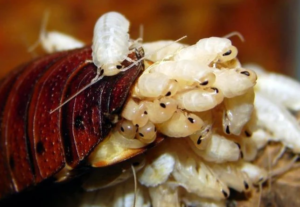
Cockroach Milk: Could It Really Become the Superfood of the Future?
The idea sounds almost unbelievable: milk from cockroaches could one day become one of the world’s most nutrient-dense foods. Although…
04/08/2026 10:31
Small, fuzzy insects that suddenly appear in bathrooms often cause concern. Many people assume they are dangerous or a sign of poor hygiene, but in most cases they are drain flies, also known as moth flies or sink flies. These tiny insects are common in homes around the world and are usually found near bathroom sinks, showers, bathtubs, or floor drains where moisture and organic material accumulate. While they are generally harmless to humans, their presence usually indicates that a drain or another damp area needs cleaning.


Drain flies are easy to recognize because of their fuzzy bodies and heart-shaped wings. They are weak fliers and often rest on walls near sinks or showers instead of flying long distances. Unlike mosquitoes, they do not bite, spread disease through bites, or damage furniture or clothing. However, seeing large numbers of them indoors can be unpleasant and may indicate that their breeding site has not been addressed.
These insects thrive in moist environments rich in organic matter. Inside drain pipes, a thin layer of slime made up of bacteria, soap residue, hair, skin cells, and other debris provides an ideal place for their larvae to develop. Adult flies lay eggs in this organic film, and under favorable conditions the life cycle can be completed in just a few weeks, allowing populations to grow quickly if the breeding source remains.
Although bathrooms are their favorite location, drain flies may also appear in laundry rooms, kitchens, basements, utility sinks, or anywhere water collects regularly. Leaking pipes, clogged drains, unused floor drains, septic systems, or standing water around plumbing fixtures can all support their development.


Fortunately, eliminating drain flies usually does not require harsh chemicals. The most effective solution is to remove the organic material where the larvae are living. Thoroughly scrubbing the inside walls of drain pipes with a long, flexible drain brush can remove the slime layer that supports their life cycle. Flushing the drain with hot water afterward helps wash away loosened debris.
Keeping bathrooms clean and dry also discourages future infestations. Repairing leaking faucets or pipes, improving ventilation, running an exhaust fan after showers, and cleaning sink overflow openings can reduce excess moisture. If a drain is rarely used, pouring water into it occasionally helps maintain the water seal that prevents insects from entering through the plumbing system.
In some situations, persistent drain flies may indicate a hidden plumbing problem. Cracked sewer pipes, blocked drains, or leaking wastewater lines can create ideal breeding conditions that are difficult to reach with routine cleaning. If flies continue to appear despite repeated cleaning efforts, it may be worthwhile to have the plumbing system inspected by a qualified professional.
Sticky traps placed near suspected breeding sites can help monitor the adult population and confirm whether treatment is working. However, traps alone do not solve the problem because they only catch adult flies while the larvae remain inside the drain.


It is important not to confuse drain flies with fruit flies or fungus gnats, which have different breeding habits and require different control methods. Correct identification helps ensure that the most effective solution is used.
The appearance of a few drain flies does not necessarily mean your home is dirty. Even well-maintained homes can develop them if drains remain damp and organic residue builds up over time. Regular drain maintenance, prompt repair of leaks, and good bathroom ventilation are usually enough to prevent future infestations.
By understanding what these tiny insects are and why they appear, homeowners can address the underlying cause instead of simply spraying insecticides. In most cases, a clean drain and a dry bathroom are the best long-term solutions for keeping drain flies away.
The idea sounds almost unbelievable: milk from cockroaches could one day become one of the world’s most nutrient-dense foods. Although…

Many travelers tie a colorful ribbon, scarf, or piece of fabric to their luggage so it stands out on the…
After carefully reviewing the couple’s daily habits, doctors identified an unexpected culprit: a refrigerator packed with old food that was…
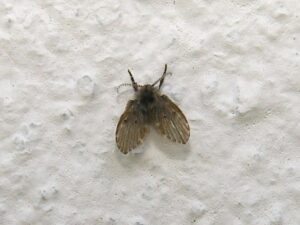
Small, fuzzy insects that suddenly appear in bathrooms often cause concern. Many people assume they are dangerous or a sign…

Many social media posts claim that lines appearing on your nails after the age of 40 are a definite sign…

Kidney disease is often called a “silent condition” because symptoms may not become noticeable until significant damage has already occurred.…