Don’t Ignore a Lump Inside Your Mouth. Here Are the Possible Causes and When You Should See a Doctor
Most people assume a small bump inside the mouth is nothing serious. In many cases, it disappears on its own.
However, some lumps can signal an underlying condition that deserves medical attention—especially if they don’t go away after a couple of weeks.
Here are some of the most common causes.

1. Oral Mucocele (Mucous Cyst)
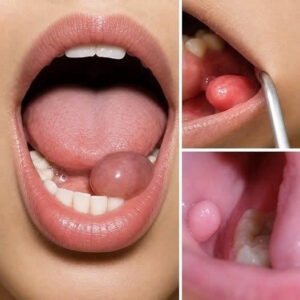
One of the most common causes is an oral mucocele.
It develops when a minor salivary gland becomes blocked or damaged, causing mucus to collect beneath the surface of the mouth.
These cysts often appear:
- On the inside of the lower lip
- Under the tongue
- On the cheeks
- On the floor of the mouth
They usually feel soft, smooth, and painless.
Small mucoceles may disappear on their own, but larger or recurring ones should be evaluated by a dentist or oral surgeon.
2. Mouth Ulcers
Some mouth sores begin as small raised bumps before becoming painful ulcers.
They often heal within one to two weeks.
3. Irritation From Biting or Dental Appliances
Accidentally biting the inside of your cheek or irritation from braces, dentures, or sharp teeth can cause swollen tissue or small lumps.
These typically improve once the irritation is removed.
4. Benign Growths
Some harmless growths, such as fibromas or papillomas, may develop inside the mouth.
Although they’re usually noncancerous, they should still be examined if they continue growing.
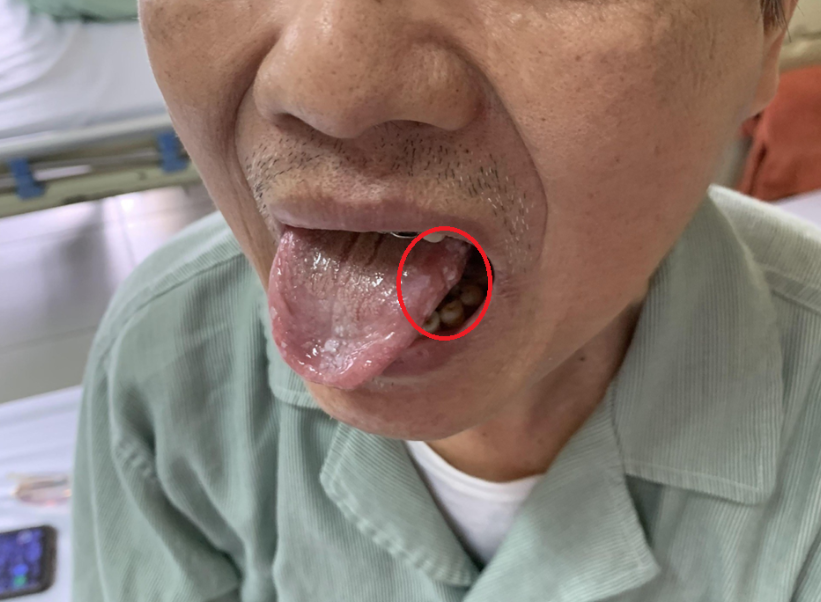
5. Oral Cancer
Although much less common, a persistent lump can sometimes be a sign of oral cancer.
Warning signs include:
- A lump that lasts longer than two weeks.
- A sore that doesn’t heal.
- Unexplained bleeding.
- Persistent pain.
- Difficulty swallowing.
- Numbness.
- White or red patches inside the mouth.
These symptoms don’t necessarily mean cancer, but they should always be evaluated promptly.
When Should You See a Doctor?
Seek professional evaluation if the lump:
- Persists for more than two weeks.
- Continues growing.
- Frequently bleeds.
- Causes severe pain.
- Makes eating or swallowing difficult.
- Keeps coming back.
How to Reduce Your Risk
You can help protect your oral health by:
- Maintaining good oral hygiene.
- Avoiding tobacco products.
- Limiting alcohol.
- Staying hydrated.
- Having regular dental checkups.
- Seeking care for any unusual changes inside your mouth.
The Bottom Line
Most lumps inside the mouth are not cancer and are often caused by blocked salivary glands, irritation, or other benign conditions.
However, any lump that doesn’t heal or continues to grow should be examined by a healthcare professional. Early evaluation can help identify the cause and ensure appropriate treatment if needed.