Keep Bananas Fresh for Up to 10 Days Longer With This Simple Tool
Have you ever returned from the grocery store with a beautiful, bright yellow bunch of bananas, only to watch them turn into a bruised, mushy brown mess just a few days later? It is a common frustration for households everywhere. Food waste is not only disappointing, but it also takes a toll on your weekly grocery budget.
Many people accept rapid ripening as an inevitable truth of buying fresh fruit. However, a viral food storage secret has taken social media by storm, claiming that you can extend the shelf life of your fruit by up to 10 additional days using just a single common household item.
The secret lies right inside your kitchen drawer: aluminum foil (or alternative wraps like standard plastic wrap). By isolating a very specific part of the fruit cluster, you can alter the natural chemical reaction that causes rapid decay.
This comprehensive guide breaks down the science of why fruit ages, how to apply this simple storage method step-by-step, and additional pro tips to keep your produce fresh, firm, and delicious for much longer.
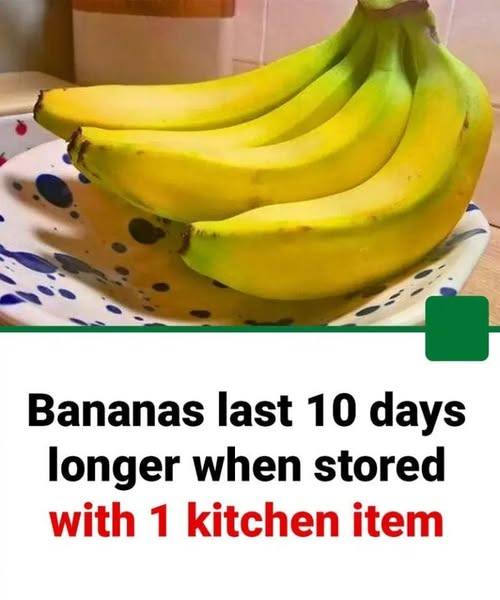
The Science of Ripening: Why Do Bananas Turn Brown?
To understand why this storage trick is so effective, it helps to look at the natural biology of how fruit ripens. Unlike some fruits that stop maturing once harvested, certain items continue to change in texture, color, and sweetness after they are picked from the tree.
The Role of Ethylene Gas
The primary culprit behind a rapidly browning countertop display is a natural plant hormone called ethylene gas.
-
The Trigger: Ethylene is a colorless, odorless gas that acts as a signaling agent within the fruit. It tells the cells to break down complex starches into simple sugars, softening the flesh and changing the skin coloration from vibrant green to yellow, and eventually to brown or black.
-
The Source: While ethylene is present throughout the entire fruit, the vast majority of this aging hormone is released directly from the crown and stem at the very top of the bunch.
-
The Chain Reaction: Ethylene is airborne. When a cluster releases this gas from its stems, the gas blankets the rest of the fruit body, accelerating its own decay. Even worse, if you keep your fruit cluster inside a closed bag or a tight corner, the trapped gas creates a highly concentrated aging chamber.
The Vulnerability of the Cluster Structure

When bananas are kept together in their original commercial bunch, the proximity of the stems to the bodies creates a perfect storm for rapid spoilage. The gas escaping from the top immediately settles onto the curves below. By finding a way to block, slow down, or divert this gas escape route, you can effectively pause the internal countdown clock of the fruit.
The 10-Day Secret Weapon: Aluminum Foil or Plastic Wrap
The viral internet hack relies on a remarkably basic principle: creating a physical barrier around the main exit point of the ethylene gas. By wrapping the stems tightly with a small square of aluminum foil or plastic cling wrap, you trap the hormone at the source, preventing it from reaching the rest of the bunch.
Why Aluminum Foil Works Best
While plastic wrap is a popular choice, many home culinary enthusiasts prefer aluminum foil for several practical reasons:
-
Moldability: Foil holds its shape exceptionally well without requiring tape or rubber bands. You can mold it tightly around the irregular, fibrous texture of the stems.
-
Total Light Blockage: Foil provides a complete barrier against ambient light, which can occasionally stimulate surface warming and accelerate ripening.
-
Reusability: You can easily unwrap the foil when you want to detach a single piece of fruit, and then crimp it back over the remaining stems without needing to tear off a fresh piece.
Step-by-Step Guide: How to Apply the Stem-Wrapping Trick
Ready to extend the shelf life of your groceries? Follow this simple, step-by-step method as soon as you bring your next bundle home from the store.
Step 1: Separate or Keep Intact?
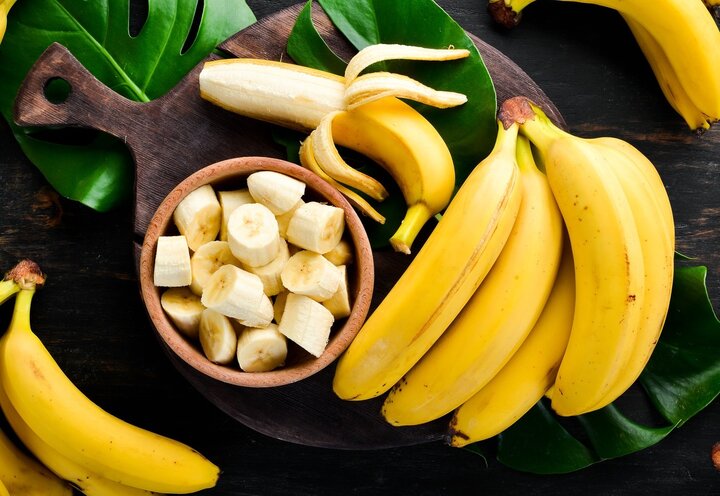
You have two choices when using this method, both of which yield excellent results depending on your available storage space:
-
Option A (The Bunch Method): Keep the cluster together exactly as you bought it. This is ideal if you plan to consume the fruit steadily throughout the week.
-
Option B (The Individual Method): Separate each individual piece of fruit from the main crown. This is highly recommended by food preservation experts because it prevents any shared gas transfer between individual pieces.
Step 2: Clean and Dry the Stems
Before wrapping, take a clean, slightly damp paper towel and gently wipe down the woody stems. This removes any residual sap, dirt, or concentrated moisture that might encourage surface mold growth underneath the wrap. Make sure the area is completely dry before proceeding.
Step 3: Wrap Tightly
-
Cut or tear a small square of aluminum foil or plastic wrap (approximately 3×3 inches).
-
Place the square directly over the top of the stem or individual crown.
-
Squeeze and twist the material firmly downward, ensuring it molds tightly to the contours of the stem. The goal is to make the seal as airtight as possible so that no gas escapes from the tip.
Step 4: Reapply After Eating
Whenever you pull a piece of fruit away from the cluster, the protective seal will break. Simply spend five seconds smoothing the foil back down over the newly exposed raw edge of the remaining bunch to maintain the preservation effect.
Comparing Storage Methods: What Works Best?
To see how the stem-wrapping trick stacks up against other common household habits, let’s take a look at a quick comparison table of popular storage environments:
| Storage Method |
Estimated Shelf Life |
How It Affects the Fruit |
| Open Countertop (No Wrap) |
3 to 5 Days |
High exposure to airborne gas; matures at a standard, rapid pace. |
| Trapped in a Plastic Bag |
1 to 3 Days |
Not recommended. Traps moisture and gas, leading to rapid rot and mushiness. |
| Stem Wrapped (Foil/Plastic) |
7 to 14 Days |
Blocks the main pathway of ethylene gas, slowing down structural aging. |
| Hanging on a Fruit Tree Hook |
5 to 7 Days |
Promotes good airflow and prevents bruising, but does not block gas release. |
| The Refrigerator (Post-Ripening) |
7 to 10 Extra Days |
The peel will turn completely black due to cold temperatures, but the internal flesh remains firm and perfectly edible. |
Additional Professional Tips to Prevent Fruit Spoilage
If you want to maximize your grocery investment, wrapping the stems is just the beginning. Implementing a few smart storage habits can ensure your kitchen counter stays fresh and organized.
1. Give Your Fruit Room to Breathe
Never crowd your fresh produce into a deep, claustrophobic bowl. Air circulation is a natural enemy to high concentrations of ethylene gas. By keeping your fruit in an open, shallow basket or hanging them from a dedicated countertop stand, ambient airflow will naturally disperse the ripening hormones away from the delicate skins.
2. Practice Strategic Companion Planting (and Separation)
Because ethylene gas affects many different types of agricultural items, you must be careful about who shares counter space:
-
Keep Them Away From: Apples, avocados, tomatoes, and peaches. These items are high ethylene producers themselves and will spark a rapid decay loop if stored right next to your yellow bunch.
-
Use to Your Advantage: If you have an rock-hard, unripe avocado that you want to eat tomorrow, place it in a brown paper bag with an unwrapped, mature banana overnight. The concentrated gas will soften the avocado perfectly in a fraction of the time.
3. Move to the Cold at the Right Moment
There is a common myth that you should never put this specific tropical fruit in the refrigerator. The truth is all about timing:
-
The Golden Rule: Never refrigerate green or under-ripe fruit, as the extreme cold permanently halts the chemical process, meaning it will never develop its natural sweetness or soften properly.
-
The Pro Move: Once the fruit has reached your perfect level of yellow brightness and flavor, place it directly into the crisper drawer of your refrigerator. While the chilly air will cause the outer peel to turn dark brown or black within a day, it effectively pauses the breakdown of the inner flesh. The inside will stay beautifully firm and delicious for up to an additional week.
What to Do When Over-Ripening Happens Anyway
Even with the best kitchen preservation tactics, a busy schedule might mean a few pieces get ahead of you. Never throw away soft, heavily speckled, or browned fruit! Over-ripe pieces are an absolute treasure trove for baking and culinary creativity because their starch content has completely converted into rich, natural sugars.
Here are a few quick ways to utilize past-their-prime clusters:
-
Classic Baked Goods: Soft fruit provides moisture and deep sweetness to muffins, pancakes, and breakfast breads without requiring excessive refined white sugar.
-
Two-Ingredient Pancakes: Mash one over-ripe piece of fruit with two whisked eggs and a pinch of cinnamon, then cook on a hot skillet for a quick, gluten-free morning meal.
-
Oatmeal Sweetener: Swirl mashed fruit directly into a warm bowl of steel-cut oats to add natural sweetness and a smooth texture without using processed syrups.
Conclusion: Small Habits, Major Grocery Savings
Extending the life of your fresh produce does not require expensive high-tech kitchen gadgets or complicated preservation systems. By spending just ten seconds wrapping a small piece of household aluminum foil around the crown of your fresh fruit bunch, you actively disrupt the chemical aging cycle.
This simple, budget-friendly trick keeps your snacks firm, flavorful, and ready to enjoy for up to 10 additional days. Try it out on your very next grocery haul and enjoy a more sustainable, zero-waste kitchen routine!