Is a Household Pests Infiltration Hiding in Plain Sight?
Introduction: The Mystery Behind the Warning
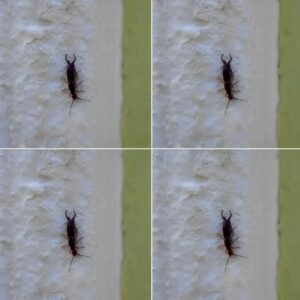
Social media feeds are frequently flooded with viral images of peculiar creatures accompanied by dramatic warnings. One such common image displays a dark, elongated creature with prominent rear pincers, accompanied by an ominous caption: “Warning! If you have found this insect in your home, it’s a sign that you need to… see more…” This type of clickbait often triggers immediate anxiety. What is this creature? Is it a dangerous threat to your property? Will it cause structural damage, or worse, harm your family?
The creature featured in the image is an earwig (specifically from the order Dermaptera). While its appearance can be intimidating, the sensationalized warnings found online are often filled with exaggerations. However, finding these creatures indoors does serve as a real indicators regarding the condition of a property.
This comprehensive guide explores the reality of earwig encounters, debunks historical myths, analyzes what their presence reveals about a property, and provides actionable steps for long-term prevention.
What is an Earwig? Identification and Behavioral Patterns

To manage any indoor creature effectively, proper identification is essential. Misidentifying a common nuisance can lead to unnecessary expenditures on incorrect treatments.
Physical Characteristics
Earwigs possess distinct anatomical features that make them easily recognizable:
-
Body Structure: They have elongated, flattened bodies, typically ranging from 5 to 50 millimeters in length. Their coloration varies from light reddish-brown to dark black.
-
The Pincers (Cerci): The most distinct feature is the pair of forceps-like appendages located at the end of the abdomen. These pincers serve multiple purposes, including defense against predators, capturing prey, and assisting in folding their wings.
-
Anatomical Differences: Male earwigs generally feature curved, robust pincers, whereas female pincers are straight and slender.
-
Wings: Although many species possess specialized wings folded intricately beneath short leathery covers, they are poor flyers and rarely take flight.
Diet and Habitat Preferences
Earwigs are primarily nocturnal scavengers. They spend daylight hours hiding in dark, confined spaces and emerge at night to feed. Their diet is diverse and omnivorous, consisting of:
-
Decaying organic matter, mulch, and leaf litter.
-
Tender plant material, including flowers, fruits, and young seedlings.
-
Smaller arthropods, insect eggs, and soft-bodied garden pests like aphids.
Outdoors, they thrive under rocks, logs, mulch layers, and inside rotting wood where damp conditions protect them from dehydration.
Debunking the Myths: Separating Fact from Fiction
Few insects are surrounded by as much historical folklore as the earwig. To address an indoor sighting calmly, it is helpful to separate ancient superstition from scientific reality.
The “Ear-Burrowing” Legend
The common name “earwig” stems from the Old English words ēare (ear) and wicga (insect/wiggler). For centuries, a widespread European myth claimed that these creatures would crawl into the ears of sleeping individuals, bore into the brain, and lay eggs, causing pain or cognitive impairment.
Modern entomology has thoroughly debunked this myth:
-
No Biological Intent: Earwigs do not seek out human ears. They require cool, damp environments rich in organic matter. The human body does not provide an environment conducive to their survival or reproduction.
-
Accidental Entry Only: While an earwig might occasionally wander into a sleeping person’s proximity—much like a small beetle or ant—such instances are rare accidents rather than deliberate behavior.
-
No Brain Infiltration: The human ear canal is blocked by the tympanic membrane (eardrum), meaning an insect cannot burrow into the brain.
Are Their Pinches Dangerous?
The formidable pincers on an earwig’s rear lead many to assume they possess a venomous sting or a painful bite.
In reality, earwigs are completely non-venomous. They do not sting, and they do not actively attack humans. If handled or trapped against the skin, they may attempt to pinch as a defensive mechanism. While this pinch can cause minor discomfort, it rarely breaks the skin and does not transmit diseases or toxins. Simple sanitation, such as washing the area with soap and water, is all that is required if contact occurs.
What Does an Indoor Sighting Actually Indicate?
If earwigs are not dangerous predators, why does the viral warning state that finding them is a specific sign?
The true warning behind an indoor sighting has less to do with the creature itself and more to do with the physical condition of the building. Because these insects require specific environmental factors to survive, their presence indoors serves as an indicator of three main household issues.
1. Elevated Moisture and Humidity Levels
Earwigs are highly susceptible to desiccation (drying out). If they migrate indoors and remain active, it indicates the presence of a consistent moisture source.
-
Basements and Crawlspaces: High relative humidity, poor ventilation, or minor leaks create an ideal microclimate.
-
Bathrooms and Kitchens: Dripping pipes, compromised caulking around sinks, or slow-draining appliances attract scavengers seeking water.
-
Structural Dampness: Water pooling against the exterior foundation due to clogged gutters can oversaturate walls, drawing moisture-loving organisms inward.
2. Compromised Exterior Sealing
An indoor infestation reveals that the structural perimeter has vulnerabilities. These insects are small and flat, allowing them to exploit minute openings, including:
-
Gaps beneath exterior doors lacking proper door sweeps.
-
Tears or holes in window screens.
-
Unsealed utility penetrations where pipes or wires enter the home.
-
Cracks in the concrete foundation or mortar joints.
3. Structural Vulnerabilities Caused by Other Factors
In some instances, a sudden influx of scavengers can indicate an underlying issue caused by other hidden factors. When structural wood is compromised by moisture rot or wood-boring organisms, it creates softened pathways and dark voids. Earwigs frequently utilize these pre-existing cavities for shelter. Therefore, an infestation might be an early warning sign of underlying structural decay or water damage behind walls.
Strategic Inspection: Where to Look Indoors and Outdoors
When addressing an influx of these pests, a methodical inspection helps pinpoint the source of the population.
Indoor Inspection Checklist
Focus your search on areas that mimic their natural outdoor habitat—dark, cool, and damp locations:
| Area |
Primary Inspection Points |
| Basements |
Around floor drains, baseboards, dark corners, and storage boxes resting directly on concrete floors. |
| Bathrooms |
Beneath vanities, behind toilets, around plumbing access panels, and under damp bath mats. |
| Kitchens |
Under the sink cabinet, near dishwasher water lines, and behind major appliances where condensation accumulates. |
| Laundry Rooms |
Around washing machine hoses, floor drains, and near dryer vents that vent warm, moist air indoors. |
Outdoor Perimeter Assessment
The indoor population usually originates from high-density zones immediately outside the foundation. Examine the exterior perimeter for the following attractants:
-
Mulch and Flowerbeds: Thick layers of wood mulch placed directly against the foundation wall retain moisture and provide an ideal breeding ground.
-
Debris Accumulation: Piles of firewood, dead leaves, rotting logs, or landscape stones situated near entryways.
-
Drainage Defects: Downspouts that discharge water right at the base of the wall rather than directing it away from the structure.
-
Vegetation Overgrowth: Heavy ivy, shrubs, or tree branches touching the siding, which provide a bridge for climbing insects.
Comprehensive Management and Prevention Guide
Eliminating these pests requires a multi-layered approach that combines immediate population reduction with long-term habitat modification. Relying solely on temporary measures will not prevent future occurrences if the underlying attractants remain unaddressed.
Phase 1: Structural Exclusion (Sealing the Perimeter)
The most effective long-term defense is denying physical entry into the living space.
-
Install Quality Door Sweeps: Ensure all exterior doors, particularly those leading to basements or garages, have tight-fitting rubber door sweeps.
-
Seal Foundation Cracks: Use a high-grade exterior silicone or polyurethane caulk to seal any visible cracks, gaps, or expansion joints in the foundation wall.
-
Utility Line Protection: Apply expanding foam or outdoor caulk around plumbing pipes, electrical conduits, and HVAC lines where they breach exterior walls.
-
Repair Window Elements: Replace damaged screens and ensure weatherstripping around windows provides a secure seal.
Phase 2: Moisture Control and Environmental Modification
Altering the indoor and outdoor environment makes the property inhospitable to moisture-reliant pests.
-
Utilize Dehumidifiers: Maintain relative humidity levels below 50% in basements and crawlspaces to dry out potential hiding spots.
-
Fix Plumbing Leaks: Promptly repair dripping faucets, localized pipe leaks, and appliance condensation lines.
-
Improve Exterior Drainage: Clean gutters regularly and install downspout extensions to direct rainwater at least six feet away from the home’s foundation.
-
Establish a Dry Border: Maintain a 12-to-18-inch buffer zone around the perimeter of the foundation that is free of mulch, heavy soil, and dense vegetation. Use gravel or river stone instead to encourage rapid drying.
Phase 3: Natural and Targeted Remediation Options
If you need to reduce a persistent indoor population, several practical remedies can assist without requiring harsh chemical applications.
1. Diatomaceous Earth (Food-Grade)
Diatomaceous earth is a natural powder composed of fossilized algae. When insects crawl over it, the microscopic particles scratch their protective waxy exoskeleton, leading to dehydration and eventual death.
-
Application: Lightly dust the powder into dry cracks, crevices, behind baseboards, or along known entry points.
-
Precaution: Avoid applying it in damp areas, as moisture renders the powder ineffective.
2. The Oil and Soy Sauce Trap
An effective DIY trap can be constructed using common household items to exploit their foraging habits.
-
Construction: Mix equal parts vegetable oil and soy sauce in a small, shallow container with a lid. Punch small holes in the lid just above the liquid line.
-
Mechanism: The soy sauce acts as an aromatic attractant, while the viscous oil prevents the insects from escaping once they climb inside. Place these traps along baseboards or dark corners where activity has been observed.