
Can Eating Eggs Cause a Stroke? Separating Nutrition Facts from Popular Myths
Eggs have long been one of the world’s most popular breakfast foods. They are affordable, rich in protein, and packed…
05/08/2026 23:26
A healthy vagina naturally has a mild scent, and that scent can change throughout the menstrual cycle due to hormones, sweat, diet, sexual activity, and the balance of beneficial bacteria. However, when the odor becomes noticeably sour, strong, or unusual—especially if it is accompanied by itching, burning, pain, or abnormal discharge—it may be a sign that something has disrupted the vaginal environment. While occasional changes are often harmless, persistent symptoms deserve medical attention. Understanding the most common causes of a sour vaginal odor can help women recognize when simple self-care is enough and when it is time to see a healthcare provider.


One of the most common reasons for a sour or slightly tangy vaginal odor is the vagina’s natural acidity. Beneficial bacteria called Lactobacillus help maintain a healthy pH between approximately 3.8 and 4.5. This mildly acidic environment protects against harmful bacteria and yeast. During different stages of the menstrual cycle, after exercise, or after intercourse, the natural scent may become more noticeable. If there are no other symptoms, this is usually considered normal and does not require treatment.
The second common cause is bacterial vaginosis (BV). This condition occurs when the normal balance of vaginal bacteria changes, allowing certain bacteria to multiply excessively. Bacterial vaginosis often produces a noticeable odor that many women describe as fishy, sour, or unpleasant. It may also cause thin gray or white discharge, although some women experience odor alone. BV is not considered a sexually transmitted infection, but sexual activity may increase the risk. Fortunately, bacterial vaginosis is usually treated successfully with prescription antibiotics.
Another frequent cause is a yeast infection, also known as vaginal candidiasis. Unlike bacterial vaginosis, yeast infections usually produce intense itching, redness, irritation, and thick white discharge that resembles cottage cheese. The odor may be mild or slightly sour but is generally less noticeable than with bacterial vaginosis. Yeast infections can develop after antibiotic use, during pregnancy, or in people with diabetes or weakened immune systems. Antifungal medications are often effective when prescribed or recommended by a healthcare professional.


A fourth possible cause involves poor hygiene, trapped sweat, or retained foreign objects, such as a forgotten tampon. Sweat and moisture around the genital area can create an environment where bacteria multiply more easily, especially after prolonged exercise or wearing tight, non-breathable clothing. In rare cases, a retained tampon can produce a very strong, foul odor along with discharge and discomfort. If a tampon cannot be removed or symptoms become severe, immediate medical evaluation is recommended.
Fortunately, maintaining good vaginal health is usually straightforward. Wash the external genital area gently with warm water and avoid harsh soaps, scented sprays, or vaginal douching, which can disrupt the natural bacterial balance. Wear breathable cotton underwear, change out of wet clothing promptly after swimming or exercising, and practice safe sex. Staying hydrated and maintaining a balanced diet may also support overall health, although no specific food can completely prevent vaginal infections.
It is important to remember that every woman’s natural scent is different. A slight acidic or sour smell without pain, itching, or unusual discharge is often perfectly normal. However, sudden changes in odor accompanied by fever, pelvic pain, bleeding, green or yellow discharge, painful urination, or persistent irritation should never be ignored. These symptoms may indicate infections that require professional diagnosis and treatment.


The key message is not to feel embarrassed by natural body changes. Vaginal odor is influenced by hormones, normal bacteria, hygiene habits, and overall health. Most cases are easily treatable once the underlying cause is identified. Instead of relying on internet myths or overusing scented hygiene products, women should pay attention to accompanying symptoms and seek medical advice whenever changes persist or become uncomfortable. Early evaluation helps ensure appropriate treatment and protects long-term reproductive health.
Eggs have long been one of the world’s most popular breakfast foods. They are affordable, rich in protein, and packed…

Pancreatic cancer is often called a “silent disease” because it can grow for months without causing obvious symptoms. By the…

A healthy vagina naturally has a mild scent, and that scent can change throughout the menstrual cycle due to hormones,…
A tiny dark spot on the skin is easy to overlook. Many people assume it is simply a mole, an…

Listen to subtle morning signals to protect long-term vitality. Mornings often set the tone for the rest of our day.…
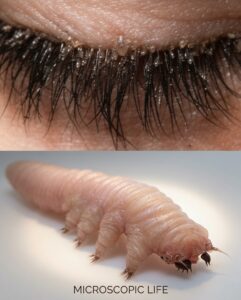
Protect your eyes by keeping your eyelashes clean and healthy. Long, voluminous eyelashes have always been a cornerstone of modern…