What Are Those Weird White Bumps in Your Throat?
Have you ever noticed tiny, hard white or yellowish spots tucked away in the back of your throat? If you…
06/06/2026 17:20
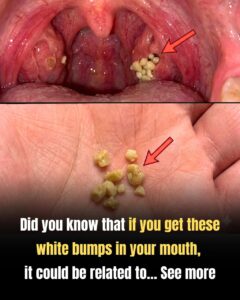
Have you ever noticed tiny, hard white or yellowish spots tucked away in the back of your throat? If you have, you might have felt a sudden wave of worry, wondering if you are dealing with a severe throat infection. The good news is that these mysterious little lumps are usually not dangerous at all.
What you are looking at in the image are tonsil stones (medically known as tonsilloliths). While they can be incredibly annoying, cause a persistent cough, and lead to some seriously foul breath, they are a very common oral health issue that can be easily managed at home or prevented with the right habits.
Let’s dive deep into what these white bumps actually are, why they form, how to safely remove them, and how to keep them from ever coming back.
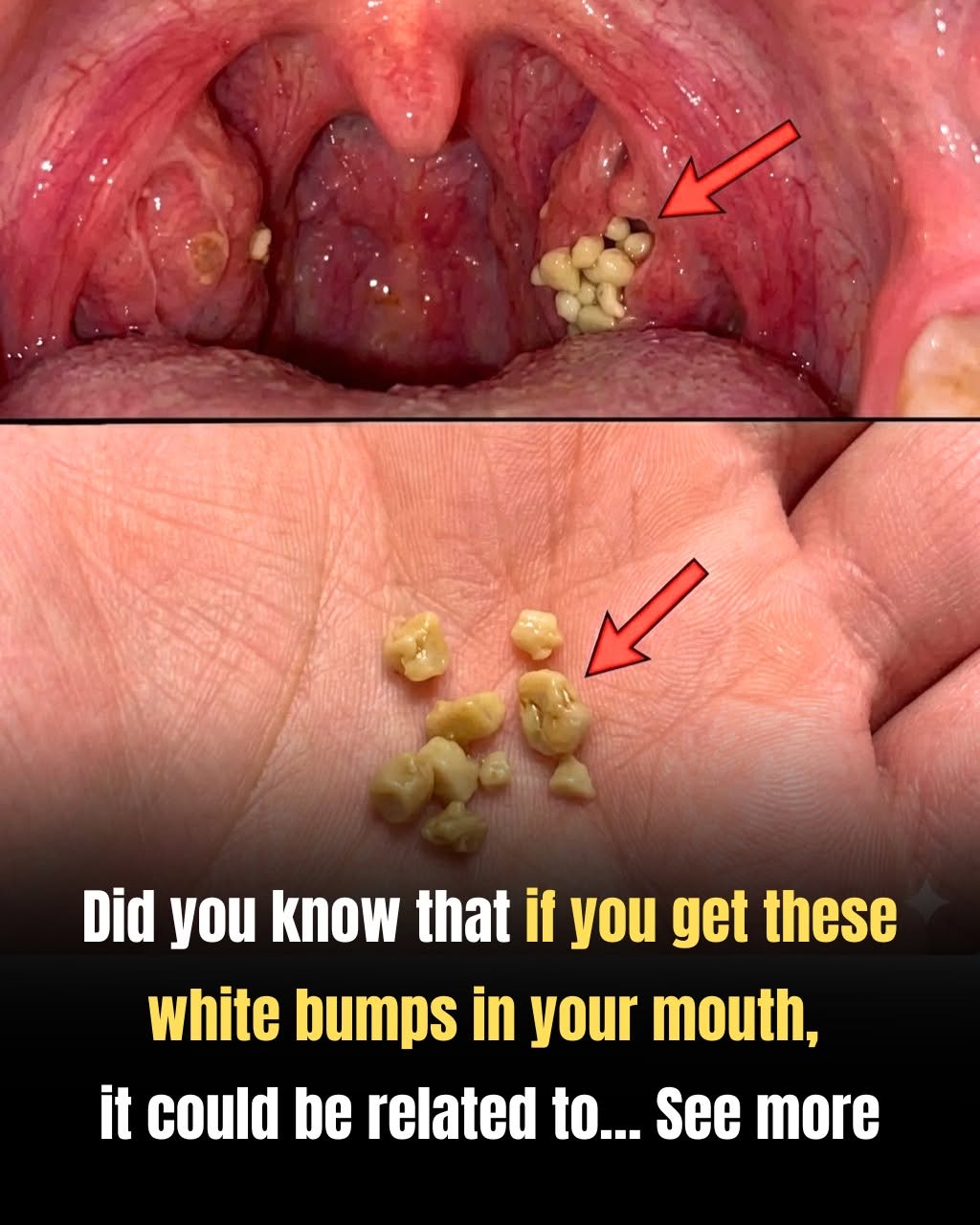
To understand why these hard little lumps develop, it helps to look at the anatomy of your throat. Your tonsils are two small pads of tissue located at the back of your throat, one on each side. They act as part of your immune system, working like sentries to trap bacteria and viruses entering through your mouth.
However, tonsils are not perfectly smooth. They are full of folds, nooks, and crannies called tonsil crypts.
[Food Particles] + [Dead Cells] + [Saliva & Bacteria]
                        │
                        ▼
            (Trapped in Tonsil Crypts)
                        │
                        ▼
         [Calcification / Hardening]
                        │
                        ▼
               ★ TONSIL STONE ★
When debris gets caught in these pockets, your body’s natural processes go to work. Over time, the trapped material calcifies, turning into a firm, sometimes chalky little pebble.
Many people carry these tiny bumps without ever realizing it because they can remain deeply hidden inside the tissue folds. However, when they grow larger, they usually trigger a few distinct, uncomfortable symptoms:
This is often the most prominent and frustrating sign. Because the trapped material is made of decaying organic matter and bacteria, it releases sulfur compounds. This creates a highly pungent, noticeable odor that normal mouthwash or mints can’t seem to fix.
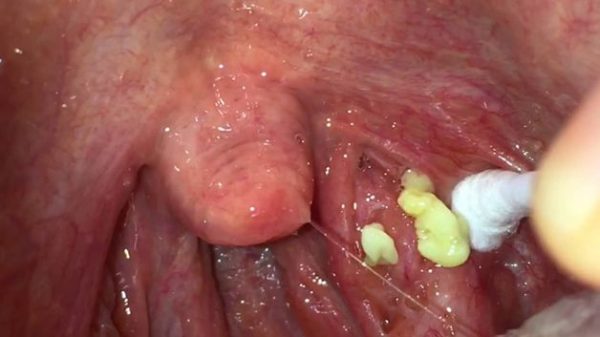
If a stone grows large enough, it can irritate the surrounding tissue. You might feel a localized ache on one side of your throat, or a general raw feeling that mimics the early stages of a cold.
Many individuals describe feeling like something is constantly stuck in the back of their throat, even when they drink water or swallow food.
Depending on the exact location and size of the calcified lump, it can press against your throat pathways, making swallowing solid food feel tight or slightly painful.
Your ears and throat share interconnected nerve pathways. Because of this shared wiring, inflammation or pressure from a lump in your tonsils can manifest as a dull ache inside your ear.
Not everyone develops these throat pebbles. You are far more likely to experience them if you fall into one or more of the following categories:
Large or Deeply Fissured Tonsils: People born with naturally large tonsils or highly complex, deep tissue folds have more hiding spots where food and cells can pool.
Poor Dental Hygiene: Skipping regular brushing and flossing leaves excess food particles and plaque-causing bacteria lingering in your mouth, accelerating the buildup.
Chronic Sinus Issues or Post-Nasal Drip: If you suffer from seasonal allergies or sinus congestion, mucus constantly drips down the back of your throat. This sticky mucus acts like glue, trapping debris inside the crypts.
Dehydration and Dry Mouth: Saliva is your mouth’s natural defense mechanism; it washes away food and balances bacteria. When you don’t drink enough water, or if you take medication that dries out your mouth, bacteria thrive.
Recurrent Throat Infections: Frequent bouts of tonsillitis scar the tissue, creating deeper pits and pockets for debris to settle into.
If you spot these bumps and want to get rid of them, it is vital to be incredibly gentle. The tissue in your throat is delicate and bleeds easily. Never use sharp items like toothpicks, tweezers, or paperclips, as these can cause severe injury or introduce dangerous infections.
Here are the safest, most effective ways to manage them at home:
| Method | How It Works | Best For |
| Warm Saltwater Rinse | Mix 1/2 teaspoon of salt in warm water. Gargle vigorously for 30 seconds, targeting the back of the mouth. | Small, loose stones; reducing inflammation. |
| Consistent Coughing | A deliberate, firm cough can naturally shift the tissue and dislodge the stone. | Stones that feel loose or are close to the surface. |
| Cotton Swab Method | Dampen a clean cotton swab. Lightly and gently press the tissue around the stone to pop it out. | Visibly exposed, easily accessible stones. |
| Low-Pressure Water Flosser | Use a water stream on the lowest possible setting to flush out the crevices. | Deeply embedded or hard-to-reach debris. |
If you want to stop these annoying throat stones from returning, shifting your daily habits is the ultimate solution.
Brush your teeth and tongue thoroughly at least twice a day, and make sure to floss daily. Cleaning your tongue is especially crucial, as the back of the tongue harbors millions of bacteria that can easily migrate to your throat.
Drink plenty of water to keep your saliva flowing freely. This continuous rinsing action prevents food particles and dead cells from settling down into the tissue pockets.
Make it a rule to rinse your mouth or gargle with plain warm water or an alcohol-free mouthwash after you finish eating. This simple step clears away loose particles before they have a chance to slip into the crypts.
If you suffer from allergies or chronic post-nasal drip, use saline nasal sprays or consult a professional to manage the mucus production. Less mucus dripping down your throat means less fuel for stone formation.
While most instances can be managed perfectly fine at home, there are times when self-treatment isn’t enough. You should reach out to a doctor or an Ear, Nose, and Throat (ENT) specialist if you experience any of the following warning signs:
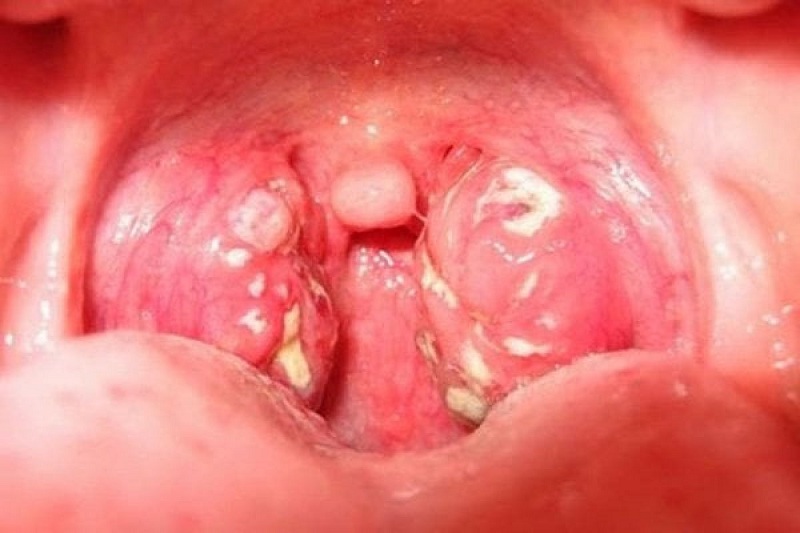
Your tonsils look severely red, swollen, or are bleeding.
You experience intense, sharp pain when swallowing or talking.
You see white patches spreading across your throat, which could indicate a bacterial infection like strep throat or a fungal issue like thrush.
You are completely unable to remove a large stone that is causing significant physical discomfort.
For severe, chronic cases that severely impact a person’s quality of life or cause constant throat infections, a specialist might discuss medical options. These can range from minor laser treatments that smooth out the tissue pockets to a standard surgical removal of the tonsils entirely.
Keep your oral hygiene consistent, stay hydrated, and remember to treat your throat with care!
Have you ever noticed tiny, hard white or yellowish spots tucked away in the back of your throat? If you…

Wake up in the bathroom with these red flags? Act fast. Every single day, your body communicates with you. It…
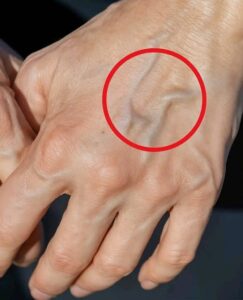
Are you noticing prominent, raised, or blue lines on the back of your hands? For many individuals, discovering suddenly pronounced…

Yet Another Dog Buried in Matted Fur is Rescued and Relieved of Pounds of Excess Baggage These are some of…

Family Dumps Their Dog At Kill Shelter For Eating Out Of The Garbage Can It’s always a difficult pill to…

Over 20 Dogs and Puppies Rescued from Suspected Dogfighting Operation in Indiana Humane World for Animals, formerly called Humane Society…