Top Wholesome Green Varieties to Support Long-Term Vitality and Wellness
Introduction: The Power of Nature on Your Plate
In an era where modern lifestyles are increasingly fast-paced and convenient, our daily dietary choices play a more critical role than ever in maintaining optimal wellness. Every meal presents an opportunity to supply the body with crucial micronutrients, antioxidants, and dietary fibers that work harmoniously to keep biological systems running smoothly. Among the vast array of whole foods available, certain green selections stand out due to their exceptionally dense nutrient profiles.
This comprehensive guide explores four remarkable green varieties—including okra and other nutrient-dense powerhouses—that have captivated researchers and nutritionists alike. By examining their unique bioactive compounds, micronutrient densities, and practical culinary uses, you will understand how incorporating these natural foods into your daily routine supports cellular energy, metabolic health, and general physical longevity.
Understanding how these vegetables interact with our physiology allows us to make informed decisions at the grocery store and in the kitchen. Rather than viewing food simply as fuel, we can begin to see it as a sophisticated source of biological information that signals our cells to repair, defend, and optimize themselves. Let us dive deep into the science and practical applications of these four exceptional greens.
1. Okra (Lady’s Finger): The Mucilage-Rich Powerhouse

Nutritional Profile and Unique Bioactive Compounds
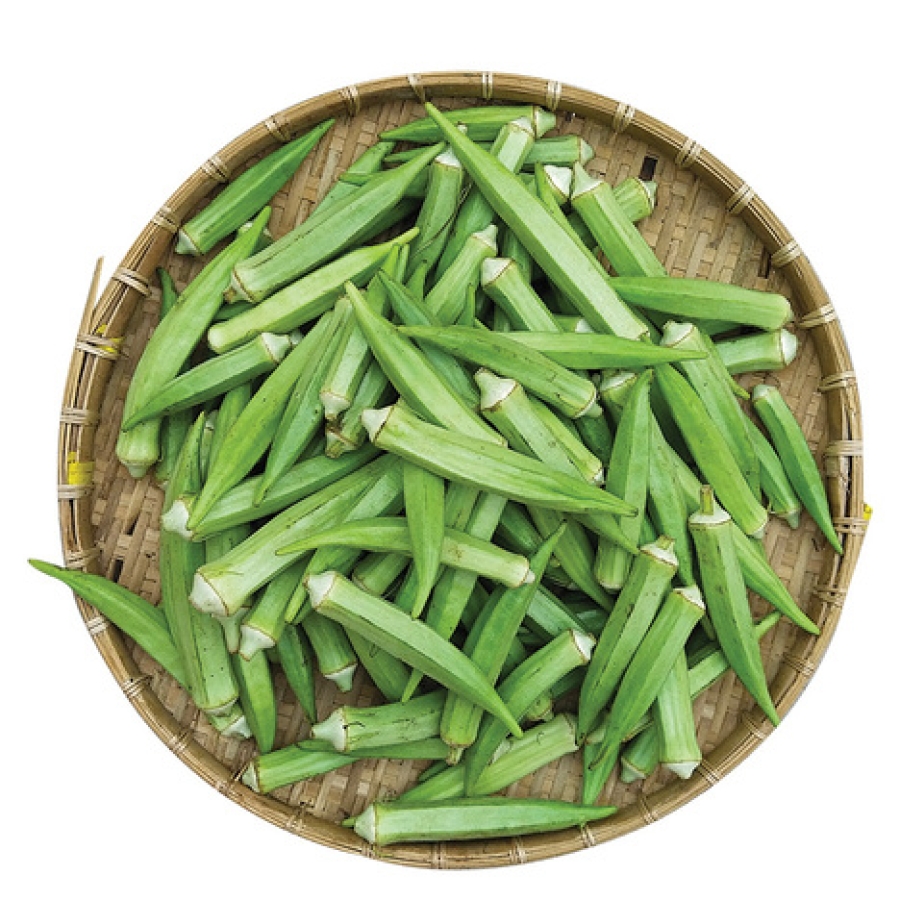
Okra (Abelmoschus esculentus) is a warm-season vegetable prized in various traditional cuisines across Asia, Africa, and the Americas. What makes okra unique is its signature viscous texture, which is caused by a high concentration of soluble mucilage. This mucilage consists of complex carbohydrates, such as galacturonans and rhamnogalacturonans, which offer profound benefits for digestive and metabolic functions.
Beyond its fiber content, okra is an excellent source of:
-
Vitamin C: A powerful antioxidant that assists in neutralizing free radicals and supporting collagen production.
-
Vitamin K: Critical for proper blood clotting mechanisms and supporting structural skeletal health.
-
Polyphenols: Specifically flavonoids like quercetin and isoquercetrin, which provide extensive defense against environmental cellular stress.
Enhancing Cellular Defense and Longevity
The antioxidants present in okra play a significant role in mitigating oxidative stress. Oxidative stress occurs when there is an imbalance between free radicals and antioxidants in the body, leading to structural damage within cell membranes and nucleic acids.
Studies show that the specific polyphenolic compounds in okra seeds and pods possess remarkable radical-scavenging capabilities. By stabilizing unstable molecules, these compounds help maintain cellular integrity over time. Furthermore, the specialized lectins found in okra have been investigated in laboratory settings for their ability to interact with abnormal cell structures, promoting natural cell cycle regulation and overall tissue health.
Metabolic Support and Digestive Wellness

The high concentration of soluble fiber in okra slows down the rate of glucose absorption in the intestinal tract. This gradual assimilation prevents sharp spikes in blood sugar, making okra an ideal dietary addition for individuals focused on maintaining stable metabolic patterns.
Additionally, the mucilage acts as a natural soothing agent for the digestive lining. It binds to bile acids and excess cholesterol in the intestines, facilitating their excretion from the body and thereby supporting healthy cardiovascular markers. The prebiotic nature of okra fiber also nourishes beneficial gut microbes, fostering a robust microbiome which is central to a strong immune system.
2. Broccoli and Cruciferous Superstars: The Sulforaphane Engine
The Chemistry of Glucosinolates
Cruciferous vegetables, particularly broccoli (Brassica oleracea), are widely regarded as foundational foods for long-term health. The primary secret behind their exceptional reputation lies in a group of sulfur-containing compounds known as glucosinolates.
When broccoli is chopped, chewed, or crushed, an enzyme called myrosinase is activated. This enzyme converts glucosinolates into highly active molecules called isothiocyanates. The most thoroughly studied of these isothiocyanates is sulforaphane.
Activating the Body’s Natural Defense Systems
Sulforaphane does not merely neutralize free radicals directly; instead, it triggers a comprehensive cellular defense mechanism known as the Nrf2 pathway. When Nrf2 is activated, it signals the cells to increase the production of their own endogenous antioxidants, such as glutathione.
This cellular upregulation provides a sustained defense against toxic environmental compounds, heavy metals, and metabolic byproducts. Extensive nutritional science indicates that a diet rich in broccoli correlates with strong cellular stability, lower markers of systemic irritation, and a highly resilient immune system.
Micronutrient Density for Structural Vitality
In addition to sulforaphane, broccoli delivers an abundance of foundational nutrients:
-
Folate (Vitamin B9): Crucial for proper cellular replication, DNA synthesis, and cardiovascular health.
-
Indole-3-Carbinol: A compound that assists in balancing hormone metabolism, particularly estrogen pathways, contributing to overall reproductive health.
-
Calcium and Magnesium: Working together to reinforce bone density and ensure smooth muscular contractions.
3. Spinach and Leafy Greens: The Oxygenation and Cleansing Agents
The Role of Chlorophyll and Carotenoids
Spinach (Spinacia oleracea) has long been celebrated as a dietary cornerstone, and for good reason. Its vibrant green hue is proof of its rich chlorophyll content. Chlorophyll shares a structural similarity to human hemoglobin, making it an excellent natural support system for healthy blood quality and tissue oxygenation.
Spinach is also heavily packed with carotenoids, including lutein and zeaxanthin. These fat-soluble antioxidants accumulate preferentially in ocular tissues, protecting delicate structures from high-energy blue light waves and minimizing age-related visual degradation.
Cellular Rejuvenation and Micronutrient Delivery
The dense concentration of iron, potassium, and magnesium in spinach ensures that muscles and tissues receive an adequate supply of oxygen and essential electrolytes. This optimization of tissue oxygenation enhances cellular respiration—the process by which mitochondria generate energy.
Furthermore, spinach provides an abundance of naturally occurring nitrates. These nitrates are converted by the body into nitric oxide, a compound that relaxes and dilates blood vessels. Enhanced nitric oxide production promotes healthy circulation, lowers resistance within the cardiovascular framework, and ensures that vital organs receive an optimal supply of nutrients.
4. Kale: The Ultimate Micronutrient Shield
An Unparalleled Density Score
Kale stands at the absolute pinnacle of nutrient density metrics. Gram for gram, it supplies more vital vitamins and minerals than almost any other cultivated food source. It provides an astronomical percentage of the recommended daily intake for Vitamins A, C, and K1 in a single serving.
Complex Fiber Networks and Environmental Defense
Kale contains unique organosulfur compounds and a high amount of fiber that binds tightly to toxins within the gastrointestinal tract. This binding mechanism assists the liver during its natural filtration and cleansing processes. By accelerating the removal of waste products, kale reduces the duration of time that harmful external elements remain in contact with the intestinal walls.
Moreover, kale contains kaempferol and quercetin. These two specific flavonoids have been shown to modulate inflammatory signaling pathways at a genetic level. By keeping inflammatory responses within a normal, healthy baseline, kale protects delicate vascular walls and nervous tissue from long-term deterioration.
Strategic Kitchen Practices: Preserving Bioactive Nutrients
To fully capitalize on the cellular health benefits of these four incredible green foods, proper preparation techniques are vital. Many of the most active health compounds are highly sensitive to heat and water exposure.
1. Avoid Excessive Boiling
Boiling greens causes water-soluble vitamins (such as Vitamin C and B-complex vitamins) along with valuable polyphenols to leach out into the cooking water. Unless you are consuming the liquid as a soup or broth, this significantly diminishes the nutritional value of your meal.
2. Embrace Light Steaming and Quick Sautéing
Steaming for 3 to 5 minutes or lightly sautéing with a healthy fat source (such as extra virgin olive oil or avocado oil) breaks down tough plant cell walls without destroying delicate enzymes. In fact, adding a healthy lipid source drastically improves the absorption rate of fat-soluble vitamins like Vitamin K, Vitamin A, and carotenoids like lutein.
3. The “Chop and Wait” Method for Cruciferous Greens
Because the creation of sulforaphane relies on an enzymatic reaction, chopping your broccoli, kale, or cabbage 10 to 15 minutes before cooking allows the myrosinase enzyme ample time to generate the maximum possible amount of this health-promoting compound. Even if light heat is applied later, the beneficial sulforaphane will already have been stabilized.
Designing a Daily Green Routine for Metabolic Balance and Weight Management
Cruciferous and leafy greens are not just biological shields; they are also your greatest allies in maintaining a lean and efficient metabolism. Incorporating them strategically into your meals transforms how your body processes energy.
Satiety Without Caloric Overhead
A common challenge in modern weight management is overcoming constant hunger while reducing caloric intake. Greens like okra, broccoli, spinach, and kale offer an ideal solution due to their high volume-to-calorie ratio. The abundance of structural fiber stretches the stomach lining, sending signals of fullness and satiety directly to the brain without overloading the body with excess carbohydrates or sugars.
Stabilizing the Metabolic Curve
When your meals are rich in complex fibers from greens, the digestion of macronutrients becomes highly controlled. This stability eliminates the dramatic blood sugar crashes that often trigger intense cravings for processed sugars and refined carbohydrates. By stabilizing your glycemic index throughout the day, your body is encouraged to utilize stored lipids for steady energy production rather than storing new fat cells.
Micronutrients as Metabolic Catalysts
Many individuals struggle with a sluggish metabolism simply because their bodies lack the micronutrient cofactors required for energy production. The B-vitamins, magnesium, and iron found abundantly in these four green foods act as spark plugs for the mitochondria. When your cellular powerhouses have a steady supply of these micronutrients, they burn fuel more efficiently, helping you maintain a vibrant, active, and lean physique naturally.
The Synergy of Green Synergisms: Combining Superfoods
While eating any one of these vegetables will provide immense value, combining them creates a nutritional synergy that enhances their overall impact. When different bioactive molecules enter your digestive system simultaneously, they often amplify each other’s paths of action.
The Dynamic Duo: Vitamin C and Iron
Non-heme iron (the type of iron found in plant sources like spinach and kale) is traditionally more difficult for the human body to absorb compared to animal-based heme iron. However, science reveals that pairing non-heme iron with Vitamin C vastly improves its bioavailability. By mixing spinach with okra or broccoli—both rich in Vitamin C—you optimize your iron absorption, promoting better red blood cell production and combating fatigue.
Enhancing Antioxidant Networks
Antioxidants do not work in isolation; they operate in a continuous network where they regenerate one another. For example, Vitamin E and Vitamin C work together to protect cell membranes. When you create a meal that incorporates the diverse antioxidant profiles of both cruciferous and leafy greens, you supply your body with a multi-layered defense system that is far more resilient than a single compound alone.
Understanding Cellular Aging and How Greens Intervene
To fully appreciate why these vegetables are considered essential for long-term survival and wellness, we must look at the fundamental mechanisms of cellular aging. The human body is constantly replicating cells, and over time, this process faces various biological hurdles.
Telomere Protection and Genetic Integrity