
What Is the “Dark Vein” in Shrimp and Should You Eat It?
Introduction If you have ever prepared fresh seafood at home, you have likely noticed a dark line running along the…
06/08/2026 10:22
Noticing small red spots appearing out of nowhere on your skin can be surprising. While many skin changes are harmless everyday occurrences, understanding what these tiny spots are can help you take better care of your health and well-being. From small benign growths to temporary allergic reactions, your skin often reflects internal wellness or simple reactions to external environments.
This comprehensive guide breaks down the most common causes of small red skin marks, how to distinguish benign spots from conditions that need extra attention, and practical ways to maintain healthy skin daily.
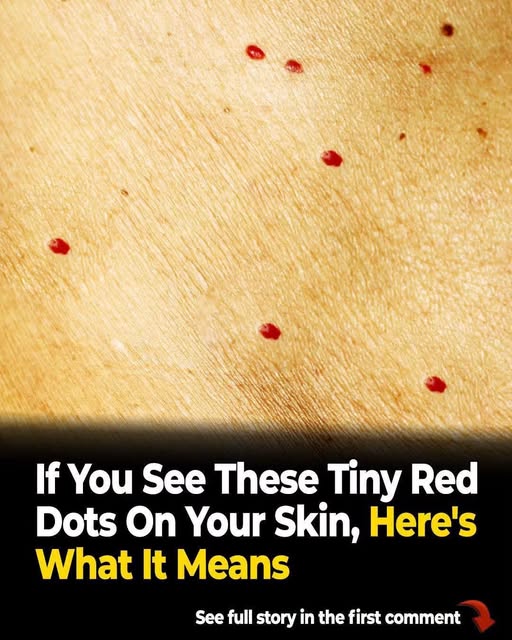
Small red marks on the skin come in various shapes, sizes, and textures. Some stay flat against the skin surface, while others slightly raised or clustered together. Recognizing their visual characteristics helps in understanding their origin.
Cherry angiomas are extremely common, non-cancerous skin growths made up of tiny blood vessels.
Appearance: Bright red, circular or oval, and either flat or slightly raised.
Size: Usually range from small pinheads up to a few millimeters in diameter.
Common Locations: Trunk, arms, shoulders, and thighs.
Who Gets Them? They occur most frequently in adults over the age of 30 and often increase in number with age.
Petechiae appear as tiny, pinpoint-sized spots caused by minor bleeding beneath the top layers of the skin.
Appearance: Flat, pinpoint red, purple, or brownish dots.
Key Feature: Unlike standard rashes, petechiae generally do not turn white (blanch) when you press down firmly on them.
Triggers: Vigorous coughing, heavy lifting, minor friction, or underlying blood vessel sensitivity.
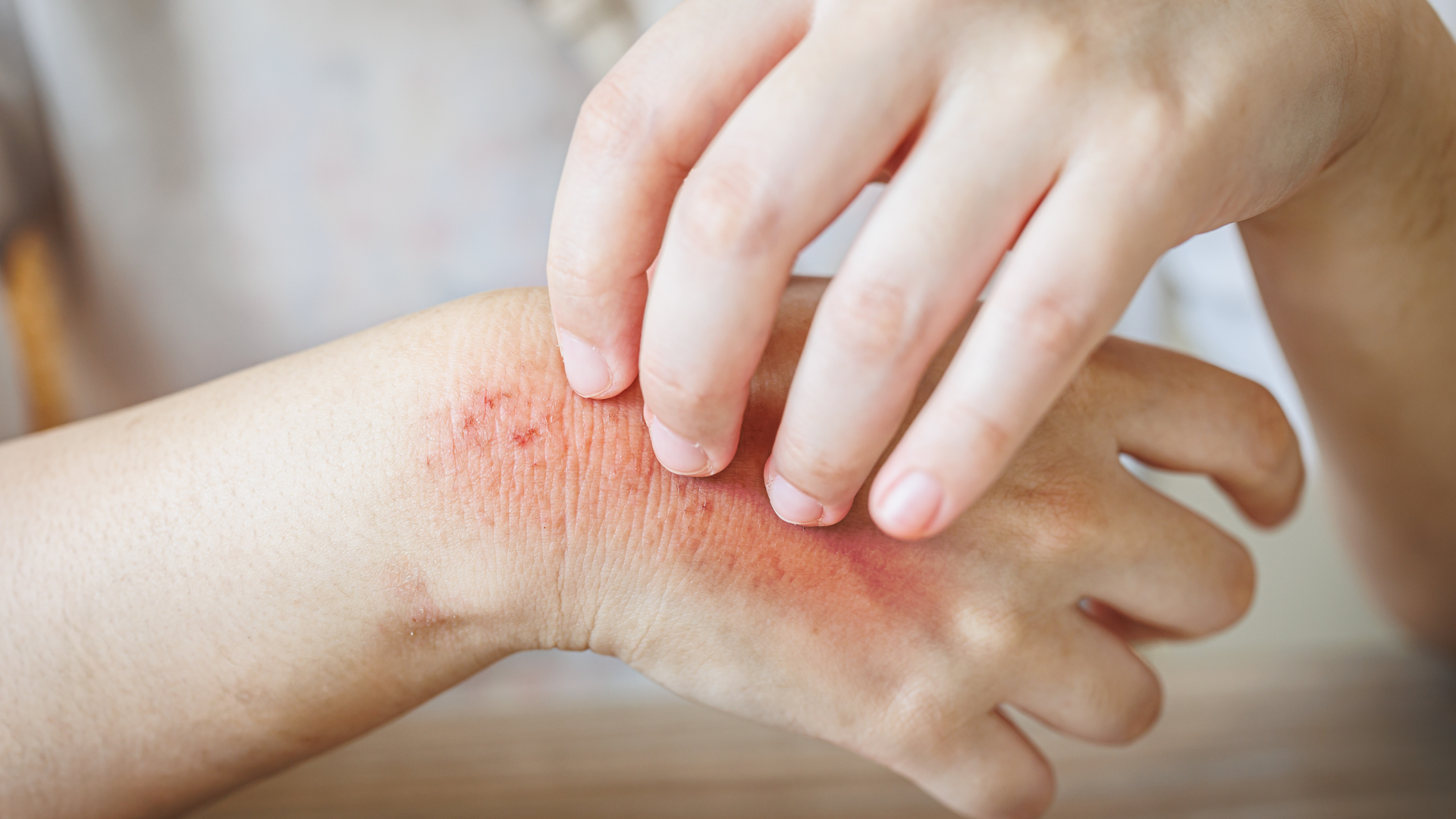
When sweat ducts get temporarily blocked during hot weather or intense physical activity, small irritation bumps can form.
Appearance: Tiny, itchy red bumps or small clear fluid-filled blisters.
Triggers: Tight clothing, humid environments, and active exercise.
Direct contact with harsh soaps, detergents, specific fabrics, or plants can cause temporary localized skin irritation.
Appearance: Clusters of small red bumps accompanied by mild dryness or itching.
Triggers: New laundry detergents, skin care products, or environmental exposure.
Understanding why these spots form helps you address root causes and practice effective preventive care.
| Condition Type | Typical Appearance | Common Triggers | Action Needed |
| Cherry Angiomas | Smooth, bright red, raised or flat | Aging, genetics, natural vessel growth | Routine observation |
| Petechiae | Pinpoint flat dots, non-blanching | Friction, coughing, strain | Monitor changes |
| Heat Spots | Scattered tiny bumps, itchy | Heat, humidity, sweat accumulation | Cool down, wear loose clothing |
| Contact Reactions | Clustered red bumps, dry patches | Harsh chemicals, fragrances, soaps | Switch to gentle products |
Self-monitoring is a great habit for overall wellness. Keep these essential steps in mind when evaluating new marks on your body:
Observe Size and Shape: Note whether the spot is expanding, changing color, or becoming irregular in shape.
Check for Elevation: Determine if the mark is flat against the skin or raised above the surface.
Perform the Press Test: Press gently on the spot with a clear glass or clean finger. If it fades briefly to white and returns to red, it is likely a common reactive spot.
Track Texture Changes: Pay attention to whether the area becomes scaly, rough, or itchy over time.
Maintaining skin health reduces the risk of daily irritation and keeps your natural barrier strong.
Choose Gentle Cleansers: Fragrance-free, mild soaps help preserve natural protective oils.
Keep Skin Well-Hydrated: Daily moisturizers support skin elasticity and guard against external environmental stress.
Protect Against Sun Exposure: Daily application of broad-spectrum sunscreen prevents sun damage and premature skin changes.
Wear Breathable Fabrics: Loose cotton clothing reduces friction and prevents heat buildup during daily routines.
While the vast majority of small red spots are harmless, getting an expert opinion ensures total peace of mind. Consider scheduling a wellness review if you notice:
Spots that rapidly spread across large areas of the body.
Marks accompanied by unusual fatigue, unexplained warmth, or overall discomfort.
Spots that bleed easily upon soft touch or friction.
Sudden, unexplained changes in color or texture.
Finding tiny red spots on your skin is a common experience that rarely calls for immediate concern. By learning to identify common occurrences like cherry angiomas or mild skin reactions, you can confidently support your skin health through regular hydration, safe sun practices, and mindful daily care.
Introduction If you have ever prepared fresh seafood at home, you have likely noticed a dark line running along the…

What Happens to Your Body When You Take a Break from Intimacy? Human connection plays an essential role in maintaining…

Understanding the Secrets of Early Brain Development Researchers worldwide continue to make significant strides in understanding how neurodevelopmental variations take…

Understanding the Essence of Healthy Aging Living a vibrant life well into one’s golden years is a goal shared by…
Introduction Noticing small red spots appearing out of nowhere on your skin can be surprising. While many skin changes are…

Why Nighttime Lash Cleanliness Matters Skipping your evening cleansing routine can lead to unwanted build-up around your eye area. Throughout…