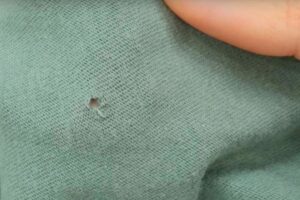
The Ultimate Guide: What Is Causing Tiny Holes in My Clothes?
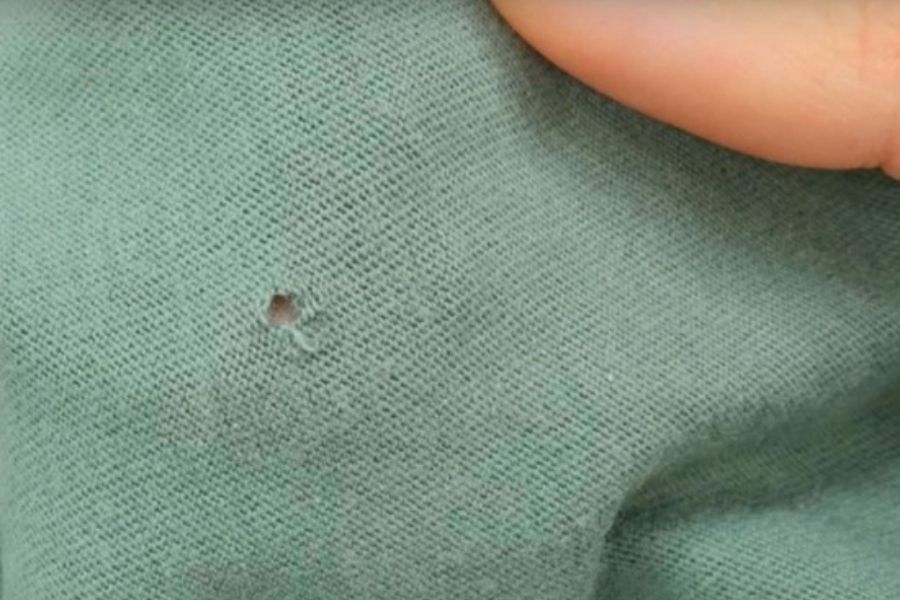
If you have ever pulled your favorite t-shirt out of the closet or laundry basket only to discover a cluster of mysterious, tiny holes, you are not alone. It is an incredibly frustrating experience that can make anyone feel like they are losing their mind. You buy a brand-new top, wear it a few times, and suddenly, it looks like it has been caught in a miniature meteor shower.
Finding unexpected damage on your garments is a common household mystery. However, before you throw away your entire wardrobe, it is important to understand that these holes are rarely random. They are usually the result of a few specific, identifiable, and entirely preventable factors.
This comprehensive guide will walk you through every possible culprit behind those frustrating holes in your clothes. We will explore household pests, laundry room mishaps, everyday friction, and fabric quality, equipping you with the knowledge to protect your wardrobe and extend the life of your favorite garments.
Part 1: The Hidden Culprits in Your Closet (Household Pests)

When we see holes in our clothes, our minds immediately jump to bugs. While pests are not always the reason, they are a very common cause, especially for garments stored away for the season. Insects that feed on fabrics are generally looking for keratin, a protein found in animal-based fibers.
1. The Notorious Clothes Moth
Clothes moths are perhaps the most famous fabric-destroying pests. However, it is not the adult flying moth that causes the damage; it is their larvae.
-
Target Fabrics: Moths prefer animal-based fibers such as wool, cashmere, silk, fur, and feathers. They will occasionally eat through cotton or synthetic blends if the fabric is stained with food, sweat, or body oils, which provide the nutrients they need.
-
The Damage: Moth holes are usually irregular and scattered. You might also notice a silky web-like casing or tiny, sand-like droppings left behind on the fabric.
-
Where They Hide: Moths love dark, undisturbed areas. Clothes packed tightly in the back of a closet or stored in cardboard boxes in the attic are prime targets.
2. Carpet Beetles
Carpet beetles are arguably more destructive than clothes moths, yet they are often overlooked.
-
Target Fabrics: Like moths, carpet beetle larvae feed on keratin. They love wool sweaters, silk scarves, and leather belts.
-
The Damage: Carpet beetle damage often looks like a concentrated cluster of holes or a larger, grazed area where the surface fibers have been chewed away.
-
Where They Hide: These pests are excellent at hiding. They often live in carpets, under baseboards, and in air ducts, eventually migrating to your closet.
3. Silverfish and Firebrats
Unlike moths and carpet beetles, silverfish and firebrats do not care about keratin. They are after starches and carbohydrates.
-
Target Fabrics: They target plant-based fabrics like cotton, linen, and rayon, especially if the garments have been treated with starch, or if they have food or beverage spills on them.
-
The Damage: The holes they create are typically irregular, and the edges of the holes might look frayed. You may also find yellowish stains near the damaged areas.
-
Where They Hide: Silverfish thrive in damp, humid environments, making laundry rooms, basements, and humid closets their favorite habitats.
4. Cockroaches and Crickets
We do not usually associate cockroaches or crickets with clothing damage, but they can be occasional culprits.
-
Target Fabrics: They are attracted to body soil, food spills, and laundry starch on any type of fabric.
-
The Damage: As they eat the stain or spill, they cut through the fibers of the garment, leaving behind a hole that you might only notice after the item has been washed.
Part 2: Laundry Day Disasters
If your clothes are coming out of the wash with new holes, the problem likely lies within your laundry routine or the machine itself. The washing machine is a harsh environment, and slight missteps can lead to garment damage.
1. Overloading the Washer
Stuffing too many clothes into the washing machine is a recipe for disaster. When the drum is overly full, clothes do not have enough room to move freely. They can get pushed tightly against the agitator or the edges of the drum, leading to severe friction and tearing.
2. Zippers, Hooks, and Hardware
Leaving a metal zipper open during a wash cycle is like putting a tiny chainsaw in with your delicate fabrics.
-
The Problem: Open zippers, unclasped bra hooks, and sharp buttons can easily catch on the soft fibers of t-shirts and knits as they tumble together.
-
The Solution: Always zip up zippers, fasten hooks, and turn garments with heavy hardware inside out before tossing them into the machine.
3. Washing Machine Drum Damage
Over time, the inside of your washing machine can develop rough spots.
-
Top-Loaders: The central agitator can develop cracks or rough edges that snag fabrics.
-
Front-Loaders: The metal drum can get tiny burrs or loose metal edges.
-
How to Check: Take an old pair of pantyhose and gently rub it all over the inside of the empty washing machine drum. If the pantyhose snags anywhere, you have found the culprit. That rough spot needs to be smoothed out or repaired.
4. Harsh Chemicals and Detergent Overuse
Using too much bleach or letting concentrated detergent sit directly on dry fabrics can weaken the fibers.
-
Bleach Burn: Undiluted bleach can instantly destroy cotton and synthetic fibers, creating holes that appear after the first wash.
-
Detergent: Always ensure liquid detergent is properly diluted in the water before adding clothes, or use the machine’s dedicated dispenser.
Part 3: The Invisible Friction of Everyday Wear
Sometimes, the holes appearing near the hemline of your favorite t-shirts have nothing to do with bugs or washing machines. They are caused by the friction of your everyday life. This is commonly referred to as the “tiny holes at the bottom of the shirt” mystery.
1. The “Kitchen Counter” Effect
If you consistently find tiny holes near your belly button area, pay attention to your posture in the kitchen. When you stand at a granite or stone countertop to chop vegetables or wash dishes, your shirt gets pinched between the rough edge of the counter and your belt buckle or the hardware on your jeans. This repetitive friction breaks down the delicate cotton fibers over time.
2. Belts and Jeans Hardware
Even without the counter, the constant rubbing of a soft cotton t-shirt against a rough belt buckle, a metal jeans button, or the top edge of a zipper placket can cause the fabric to thin out and eventually snap, creating tiny, pin-prick holes.
3. Seatbelts and Crossbody Bags
Examine where the holes are located. Are they across your chest or on one shoulder?
-
Seatbelts: The abrasive webbing of a car seatbelt rubbing against your shirt during a long commute can cause pilling and eventual holes.
-
Bags: Heavy crossbody bags or backpacks create intense, localized friction that wears down fabric surprisingly fast.
Part 4: Fabric Quality and Fast Fashion
It is important to acknowledge that the way clothing is manufactured today plays a massive role in its durability. We are in the era of fast fashion, where speed and cost-efficiency often take precedence over longevity.
1. The Rise of Single-Ply Cotton
Many modern t-shirts, especially those that feel incredibly soft and lightweight, are made from single-ply, short-staple cotton. While these fabrics feel wonderful against the skin, they lack the structural integrity of heavier, double-ply fabrics. The individual threads are simply weaker and more prone to snapping under minimal stress.
2. Thread Degradation
Fabric has a lifespan. Even if you care for a garment perfectly, the natural fibers will eventually dry out, weaken, and break. If a t-shirt is several years old, small holes are often just the natural result of the fabric reaching the end of its structural life.
Part 5: Diagnostic Checklist (Finding Your Culprit)
To solve your specific issue, use this comparative guide to pinpoint the exact cause of your fabric damage.
| Observation |
Most Likely Culprit |
Key Identifiers |
| Holes appear after seasonal storage |
Clothes Moths / Carpet Beetles |
Mostly on wool/animal fibers; webbing or tiny casings found nearby. |
| Holes are exclusively around the belly button |
Hardware Friction |
Found on soft cotton t-shirts; aligns with where jeans buttons or belts sit. |
| Holes have yellowish edges or frayed borders |
Silverfish |
Found in damp environments; mostly on cotton or starched items. |
| Multiple clothes damaged at once after washing |
Open Zippers / Snags |
Holes look like tears or pulled threads; often accompanied by stretched fabric. |
| Perfect, clean-cut holes on cotton |
Bleach / Chemical Splatter |
Usually happens after cleaning the house or doing laundry with strong chemicals. |
Part 6: Comprehensive Prevention Strategies
Now that you know what causes the holes, it is time to take action. Protecting your wardrobe requires a combination of good storage habits, mindful laundry practices, and wardrobe maintenance.
1. Master Your Laundry Routine
-
Sort Wisely: Never wash heavy jeans and delicate t-shirts in the same load. The heavy denim will crush and scrape the lighter fabrics.
-
Use Mesh Laundry Bags: For delicate t-shirts, fine knits, or anything prone to snagging, place them in a zippered mesh laundry bag before putting them in the washer. This protects them from friction and rogue zippers.
-
Zip and Button Everything: Make it a strict habit to close all zippers, clasp all bras, and button all heavy buttons before tossing garments into the hamper.
-
Wash Inside Out: Turn your t-shirts inside out. If any friction happens in the drum, it will happen to the inside of the shirt, preserving the outward-facing fabric.
2. Pest-Proof Your Closet
-
Never Store Dirty Clothes: Pests are attracted to body oils, sweat, and microscopic food particles. Always wash or dry-clean garments before packing them away for the season.
-
Use Vacuum-Sealed Bags: For long-term storage, place wool, silk, and heavy coats in airtight, vacuum-sealed bags. Pests cannot eat what they cannot access.
-
Natural Repellents: Instead of harsh chemical mothballs, use natural cedar blocks or lavender sachets. Remember that these lose their potency over time, so you must sand the cedar or replace the lavender every few months.
-
Vacuum Your Closet: Dust and hair attract carpet beetles. Empty your closet completely twice a year and vacuum the baseboards, corners, and shelves thoroughly.
3. Manage Everyday Friction
-
The French Tuck: If you notice holes near your waistline, try the “French tuck” (tucking just the front of your shirt into your pants). This creates a barrier between the shirt fabric and the metal button of your jeans.
-
Wear an Undershirt: A thin undershirt can absorb the friction from your belt and jeans, protecting your outer, more expensive layers.
-
Be Mindful of Surfaces: Pay attention to how you lean against desks, tables, and kitchen counters. Stepping back just an inch can save your wardrobe.
Part 7: Can You Fix the Holes? (A Quick Mending Guide)
Finding a hole does not automatically mean the garment belongs in the trash. Depending on the size and location of the damage, you have several options.
1. The Tiny Pin-Hole Fix (Iron-on Bonding)
For those minuscule holes on cotton t-shirts, you do not even need a needle and thread.
-
Get lightweight, iron-on fusible bonding web (often used for hemming).
-
Turn the shirt inside out.
-
Gently push the edges of the hole together so it is as closed as possible.
-
Cut a tiny piece of the bonding web and place it over the hole.
-
Press a hot iron over it for a few seconds. This fuses the edges together seamlessly from the inside.
2. Visible Mending
Visible mending is a popular trend where you fix a hole using brightly colored thread to create a small embroidery design (like a star or a flower) over the damage. It turns a flaw into a unique, personalized feature of the clothing.
3. Professional Tailoring
For expensive items like wool suits, cashmere sweaters, or high-end silk, take the garment to a professional tailor. They can perform a technique called “reweaving,” where they take threads from an unseen part of the garment (like the inside hem) and weave them directly into the hole, making the damage completely disappear.
Conclusion
Finding unexplained holes in your clothes can certainly make you feel like you are losing your mind, but the mystery is entirely solvable. By becoming a fabric detective, you can easily identify whether the damage is coming from hungry pests in the closet, rough tumbling in the laundry, or the invisible friction of your daily life.
Taking proactive steps—like washing delicate items in mesh bags, zipping up hardware, thoroughly cleaning your closet, and avoiding leaning against rough counters—will drastically extend the lifespan of your wardrobe. Your clothes are an investment, and with a little extra care and attention, you can keep them looking pristine and hole-free for years to come.