Women Who Eat Pineapple Regularly May Experience 5 Surprising Changes In Their Bodies
Pineapple is one of the most popular tropical fruits in the world. Sweet, juicy, and refreshing, it is loved not…
23/05/2026 09:28
A circulating social media post claims that two specific parts of a pig contain a high number of abnormal, health-threatening cells and should never be consumed. The post features two images: one showing a raw cut of meat with visible white, fatty nodules, and another showing boiled, chopped meat that resembles internal organs.
While the post uses alarming language to scare consumers, the claims are factually incorrect and misrepresent basic animal anatomy. Understanding what these cuts actually are can help clear up the confusion and reduce unnecessary food anxiety.

To understand why the viral claim is false, it is necessary to identify exactly what is being shown in the images.
The top image shows a piece of raw meat, likely from the neck or shoulder region (often referred to as the jowl or collar). The white, grape-like nodules embedded within the fat and muscle tissue are lymph nodes, not abnormal or life-threatening cells.
The bottom image displays cooked, sliced pieces of pig lungs or similar internal organs boiling in a pot. The porous, spongy texture is characteristic of respiratory tissue. While organ meats require careful preparation, they do not inherently contain dangerous cellular mutations as the post implies.
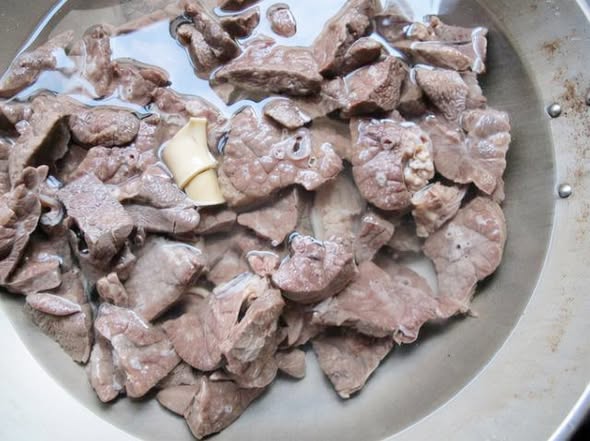
The viral post mistakenly identifies normal anatomical structures as dangerous cellular growths. In reality, the nodules shown in the raw meat are part of the animal’s immune system.
Like humans, pigs have a lymphatic system consisting of a network of vessels and nodes.
Filtration: Lymph nodes act as natural filters that trap bacteria, viruses, and other foreign substances.
Location: They are heavily concentrated in areas like the neck, groin, and armpits.
Appearance: Healthy lymph nodes look like small, round, grayish-white or pinkish nodules embedded in fat.
Because the neck area (pork jowl) contains a large concentration of these nodes, they are frequently exposed when butchers harvest this specific cut.
While the claim regarding abnormal cellular mutations is entirely false, there are valid culinary and culinary-hygiene reasons why certain parts of the pig require caution.
Although they do not cause chronic cellular health conditions in humans, consuming lymph nodes is generally discouraged for the following reasons:
Bacterial Load: Because lymph nodes filter pathogens, they can harbor high concentrations of bacteria such as Salmonella or Yersinia if the animal was fighting an infection before harvest.
Accumulation of Residues: Heavy metals, metabolic waste, and medication residues can sometimes accumulate in lymphatic tissues.
Poor Texture and Taste: Lymph nodes do not cook well; they have a tough, unappealing texture and a bitter flavor.
During commercial slaughterhouse processing, regulations in most countries require inspectors and butchers to remove visible lymph nodes, thyroid glands, and abnormal tissues from primary meat cuts. However, in traditional or local markets, some nodes may remain attached to cheaper cuts like the neck.
Pig lungs are consumed in many traditional cuisines around the world, often featured in stews, soups, or sausages. However, they require rigorous cleaning:
Dust and Pathogens: Lungs are prone to accumulating environmental dust, bacteria, and parasites due to the animal’s respiratory habits.
Proper Processing: To make them safe, lungs must be thoroughly washed, often blanched multiple times, and cooked at high temperatures to eliminate any potential pathogens.
To avoid foodborne illness and ensure the highest quality meal, consumers should follow standard food safety practices rather than relying on unverified social media warnings.
| Step | Recommendation |
| Inspection | Buy meat from reputable suppliers subject to official food safety inspections. Look for bright pink muscle tissue and firm white fat. |
| Trimming | If purchasing pork neck or jowl, check for small, round, whitish nodules embedded in the fat. Simply trim these parts out and discard them before cooking. |
| Hygiene | Keep raw meat separate from ready-to-eat foods to prevent cross-contamination. Wash hands, knives, and cutting boards thoroughly after handling raw pork. |
| Cooking Temperature | Ensure pork is cooked to a safe internal temperature. Whole cuts should reach at least 63°C (145°F) followed by a three-minute rest, while ground pork or organ meats should reach 71°C (160°F) to kill any harmful microorganisms. |
The viral image circulating online does not show dangerous, mutated cells. Instead, it depicts standard anatomical structures—specifically lymph nodes in raw pork fat and cooked internal organs. While it is good practice to remove lymph nodes before cooking due to texture and hygiene preferences, the claim that eating these parts causes chronic cellular diseases is completely unfounded. Following basic kitchen hygiene and proper cooking techniques is sufficient to ensure pork is entirely safe to enjoy.
Pineapple is one of the most popular tropical fruits in the world. Sweet, juicy, and refreshing, it is loved not…

Are you tired of looking at thinning hair in the mirror and wishing for a magic solution? The remedy might…

Is the Answer NOT 6? The Real Math Behind the Viral Formula Viral Math Problem Solved: Is It Really 6?…

Discover Your Inner Radiance: What Does Your Favorite Nail Style Say About You? Have you ever wondered why you gravitate…
Most people think nail clippers are one of the simplest tools ever made. You press, clip your nails, and that’s…
The Truth Behind the Viral Social Media Post A circulating social media post claims that two specific parts of a…