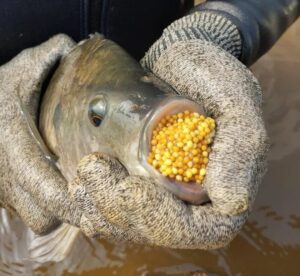
In recent months, a wave of alarming social media posts has taken the internet by storm, featuring shocking images of fish with their mouths packed with tiny, yellow, bead-like objects. The captions are intentionally terrifying: “Stop eating red tilapia immediately!” and “Hidden risks experts are warning about.” If you are someone who includes this affordable, high-protein fish in your weekly meal prep, seeing these viral warnings might make you want to clear out your freezer immediately. But before you banish this seafood staple from your kitchen, it is time to separate internet sensationalism from actual scientific reality.
What is really going on inside the mouths of these fish, and are there legitimate health concerns associated with consuming farm-raised seafood? Let’s dive deep into the biology, the farming practices, and the nutritional facts to uncover the real story.
The Viral Image Decoded: What Are You Actually Looking At?
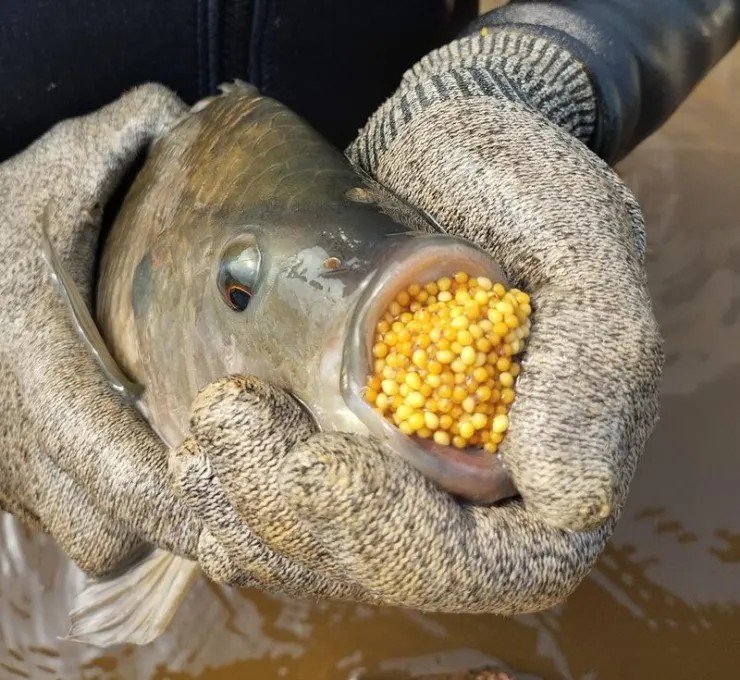
The primary source of panic stems from close-up photographs of fish with stuffed mouths. To the untrained eye, these clusters look like a horrific parasitic infection, cancerous tumors, or toxic chemical accumulations.
Understanding Mouthbrooding Biology
Tilapia belong to the Cichlidae family, a group of fish renowned for their highly advanced and fascinating parental care strategies. The vast majority of commercially raised species are mouthbrooders.
Here is how the biological process works:
-
Spawning: The female lays her eggs, which are then fertilized by the male.
-
The Gathering: Immediately after fertilization, one of the parents (usually the female, though sometimes the male depending on the exact hybrid strain) gathers the eggs into their mouth.
-
Incubation: The parent holds the eggs in their oral cavity for several days until they hatch into “fry” (baby fish). Even after hatching, the young swim back into the parent’s mouth at the slightest sign of danger.
-
The Sacrifice: During this entire incubation period, the parent fish does not eat. They focus entirely on churning the eggs gently inside their mouth to ensure they receive enough oxygen.
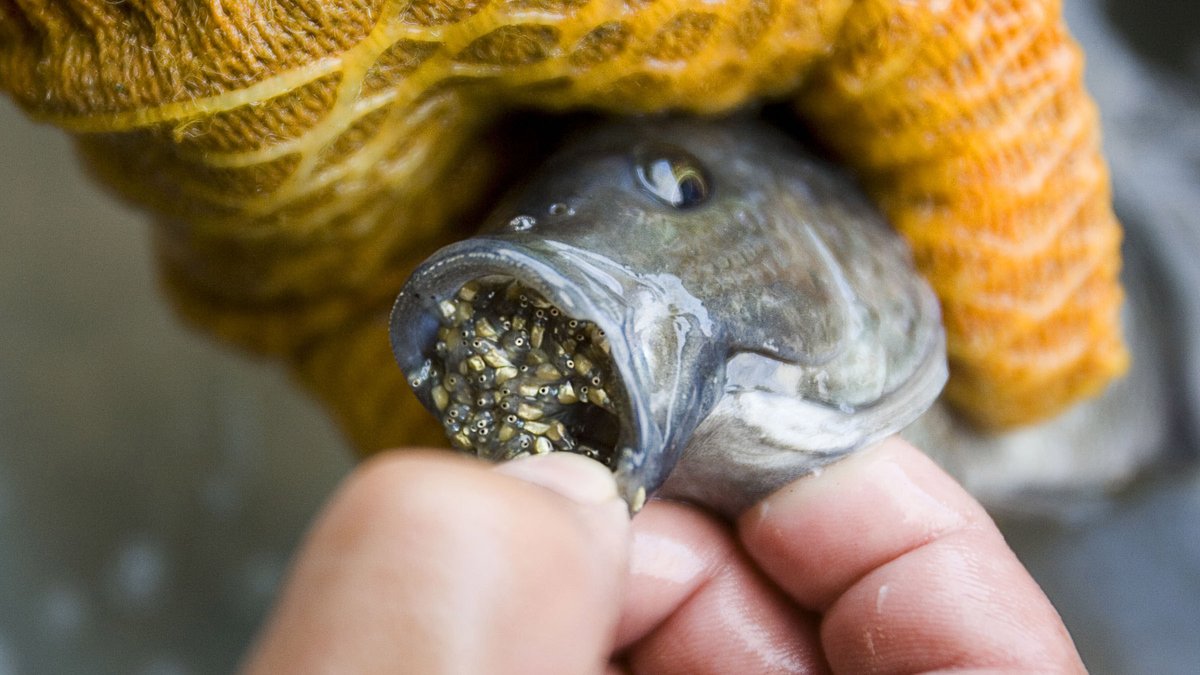
The yellow or orange spheres filling the fish’s mouth in those viral images are nothing more than healthy, fertilized eggs. It is a completely natural biological phenomenon that has occurred for millions of years. It poses absolutely zero threat to human health, as these brooding fish are sorted out during harvesting and processing long before they ever reach a supermarket shelf or your dinner plate.
Why Do These Alarming Rumors Spread So Quickly?
If the phenomenon is entirely natural, why does it trigger such a massive, panicked reaction online? The answer lies in the psychology of social media algorithms and digital engagement tactics.
1. Clickbait and Engagement Farming
Content creators and page managers are constantly competing for your attention. Sensational headlines that trigger fear or disgust perform significantly better than nuanced, scientific explanations. By using aggressive phrases like “Stop eating this immediately!” or “Hidden dangers revealed,” these pages trick users into clicking, commenting, and sharing, which dramatically boosts their reach and ad revenue.
2. Trypophobia Triggers
The visual arrangement of clustered eggs inside a dark cavity naturally triggers trypophobia—an aversion or revulsion to clusters of small holes or bumps. This psychological trigger causes an immediate visceral reaction of disgust, making people inherently believe that what they are looking at is diseased or dangerous, even when it is perfectly healthy.
3. General Skepticism of Aquaculture
Because aquaculture (fish farming) has faced legitimate criticism in the past regarding environmental impacts and sustainability, the public is already primed to believe negative news about farmed fish. This skepticism makes it incredibly easy for false narratives to take root and spread unchecked.
Evaluating the Actual Risks of Farm-Raised Seafood
While the viral mouthbrooding photos are a complete non-issue, it is worth asking: Are there other legitimate reasons to be cautious about eating farm-raised seafood? Like any agricultural product, the safety and quality of the final product depend entirely on how and where it was raised.
Let’s look at the actual factors that determine whether your seafood is safe and wholesome:
1. Water Quality and Environment
The biggest variable in aquaculture is the quality of the water in which the fish live.
-
High-Standard Facilities: Modern facilities utilize advanced filtration systems, closed-loop recycling, and strict water quality monitoring to ensure the environment remains clean and free of contaminants.
-
Substandard Facilities: In regions with weak regulatory oversight, ponds can become overcrowded, leading to poor water conditions and an increased risk of bacterial issues. This is why paying attention to the country of origin on your food labels is highly recommended.
2. The Use of Dietary Supplements and Support
In crowded environments, livestock can become susceptible to illnesses.
-
The Concern: Some lower-standard operations rely on heavy chemical treatments or preventative medications to keep fish alive in poor conditions.
-
The Regulation: In highly regulated markets, the use of these substances is strictly controlled, with mandatory withdrawal periods to ensure absolutely no residues remain in the meat by the time it reaches consumers.
3. Contaminants and Heavy Metals
One major advantage that smaller, farm-raised fish have over large, wild-caught ocean species (like swordfish or bigeye tuna) is their position on the food chain. Because they have short lifespans and eat a primarily plant-based or controlled pellet diet, they do not accumulate dangerous levels of heavy metals like mercury.
Nutritional Profile: What Does It Bring to the Table?
When sourced from reputable, well-regulated farms, this mild white fish is actually an excellent, budget-friendly addition to a balanced lifestyle.
While it does contain lower levels of Omega-3 fatty acids compared to fatty ocean fish like wild salmon or mackerel, it still contributes to your daily nutritional needs without breaking the bank.
How to Choose Safe, High-Quality Seafood
You don’t need to cut fish out of your diet to stay safe. Instead, become a savvier shopper by following these practical guidelines next time you visit the grocery store:
Check the Certification Labels
The easiest way to ensure your seafood was raised sustainably and safely is to look for trusted, independent third-party certifications on the packaging. Look out for:
-
BAP (Best Aquaculture Practices): Ensures the facility meets strict standards for environmental responsibility, social accountability, and food safety.
-
ASC (Aquaculture Stewardship Council): Guarantees the product was farmed with minimal impact on local ecosystems.
Know the Country of Origin
Different countries enforce drastically different standards for food safety. Opt for seafood produced in regions known for rigid agricultural guidelines and strict enforcement protocols.
Inspect the Freshness
When buying fresh fillets, use your senses to judge the quality:
-
Scent: It should smell clean and slightly like the ocean, never sour, overly fishy, or like ammonia.
-
Texture: The flesh should be firm to the touch and spring back when pressed gently. Avoid fillets that look mushy or flaky before cooking.
-
Color: The meat should have a clean, bright appearance without any strange dark spots or yellowing edges.
The Bottom Line
The internet is full of sensational headlines designed to shock you into hitting the share button. The horrifying images of fish with packed mouths are simply a beautiful showcase of nature’s parenting instincts—completely harmless to humans.
There is absolutely no reason to panic or immediately remove this versatile protein from your diet. By ignoring the clickbait, understanding basic biology, and choosing certified, responsibly sourced seafood, you can continue to enjoy nutritious, delicious meals with total peace of mind.