The Risks of Sleeping in a Chair: How Sleeping with Legs Down Impacts Circulation
Learn how resting with your legs down affects circulation and overall health.
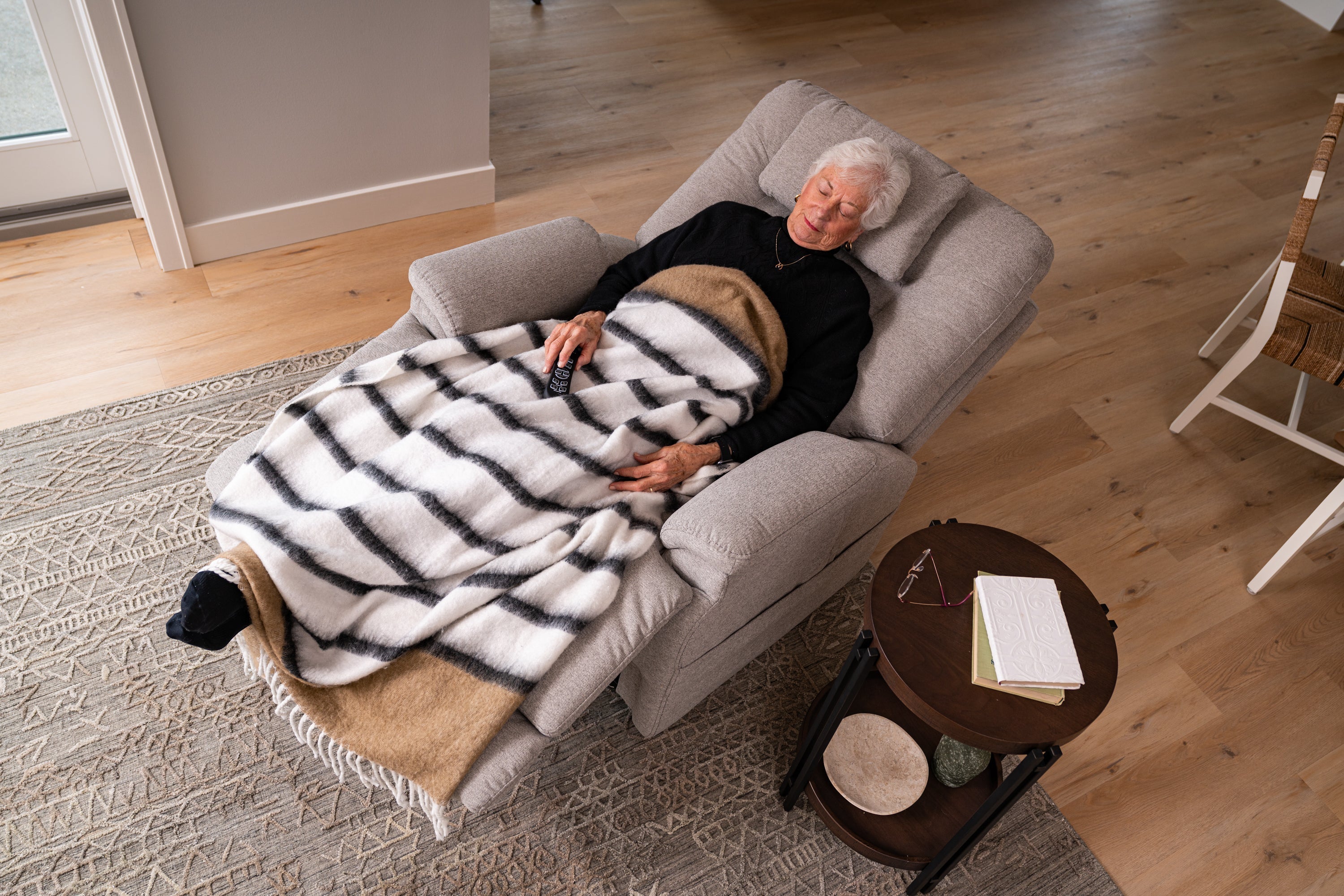
Resting comfortably in a favorite recliner or cozy armchair often feels like the ultimate way to unwind after a long day. Many people find themselves regularly falling asleep in a seated position while watching television, reading a book, or simply relaxing in the evening. Some even make a continuous habit of spending entire nights sleeping upright or in a semi-reclined chair rather than moving to a flat mattress.
While falling asleep in a chair once in a while seems completely harmless, regularly resting with your legs hanging downward can have unexpected consequences for your body. From fluid retention and swelling to reduced fluid return, sleeping in a seated position alters how your body manages daily circulation. Understanding how this habit impacts your physical well-being empowers you to make better choices for restful, restorative sleep.
Understanding Circulation and Gravity
To appreciate why sleeping upright affects your body, it helps to look at how your vascular system works. Your heart continuously pumps fresh fluid through vessels down to your toes. Once that fluid delivers oxygen and nourishment to lower extremities, your body must work against gravity to push it back up toward your heart and lungs.
When you walk, move, or bend your ankles, the muscles in your calves contract. These natural muscle contractions act like a mechanical pump, squeezing internal pathways and propelling fluid upward against gravity. However, when you remain seated in a chair overnight:
- Muscle Inactivity: Your calf muscles stay stationary, turning off the natural pumping mechanism that returns fluid upward.
- Gravitational Pooling: Gravity constantly pulls fluids toward your feet, ankles, and lower limbs throughout the hours of sleep.
- Vessel Pressure: The angle of your hips and knees while seated creates natural bend points, creating resistance for fluid returning to your upper body.
Over extended periods, this continuous downward pull leads to fluid accumulation, visible heaviness, and skin changes in the lower limbs.
Common Symptoms of Prolonged Seated Sleeping
Regularly resting in an upright or seated posture with your feet resting on the floor can trigger a variety of noticeable physical signs over time:
- Lower Extremity Swelling: Fluid pools in the tissue spaces around your ankles, feet, and calves, making them appear puffy, tight, or swollen.
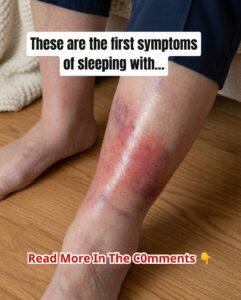
- Skin Discoloration and Redness: Prolonged pressure within delicate capillary networks can lead to reddish, purplish, or brownish skin discoloration near the ankles.
- Sensory Changes: You may experience tingling, numbness, a “pins and needles” sensation, or a feeling of heavy tightness in your legs upon waking.
- Restless Legs and Stiffness: Staying in a fixed seated posture overnight leaves joints and surrounding muscles feeling stiff, aching, or restricted in movement.
- Surface Markings: Increased localized pressure can make surface vessels look more prominent or pronounced across the lower legs.

Why a Flat Mattress Promotes Healthier Sleep
Lying flat in a bed provides essential support for your body’s vital systems during rest. When your body lies horizontally on a mattress:
- Gravitational Equilibrium: Your heart, organs, and lower limbs sit at the same horizontal level. Gravity no longer pulls fluid down into your lower legs, allowing fluid to distribute evenly.
- Reduced Vascular Strain: Your circulatory system operates with far less mechanical resistance, promoting smoother internal flow.
- Spinal and Joint Decompression: A supportive flat surface allows your spine, hip joints, and knees to align naturally, reducing muscular tension and preventing postural strain.
- Deeper Sleep Cycles: Lying comfortably in bed enables your body to transition smoothly into deep restorative sleep stages without frequent micro-awakenings caused by uncomfortable body angles.
How to Protect Your Leg Health and Improve Rest
If you often find yourself falling asleep in a chair or prefer sitting up due to comfort preferences, adopting a few simple strategies can protect your circulation and overall well-being:
- Elevate Your Feet: If resting in a recliner, raise the footrest so your legs lie parallel to the floor or slightly elevated above your hip level.
- Transition to Bed: Set a gentle evening alarm to remind yourself to move from the armchair to a comfortable mattress before falling into deep sleep.
- Support Legs with Pillows: When lying in bed, place a soft pillow under your calves to give your feet a slight lift and encourage fluid movement.
- Stay Active During the Day: Incorporate daily movement, light walking, or gentle leg stretches to keep your calf muscles active and healthy.
- Wear Comfortable Clothing: Avoid tight socks, restrictive bands, or fitted pants that pinch at the knees or ankles, as these can restrict smooth fluid movement.
- Hydrate Consistently: Drinking adequate water throughout the day aids healthy fluid balance and prevents sluggish circulatory function.
Prioritizing flat, supportive sleep and elevating your lower limbs helps ensure that every night of rest leaves you feeling fully refreshed, comfortable, and vibrant.