
Keep Your Lower Body Ageless After 50 With 3 Essential Movements
Introduction: Why Your Lower Body Holds the Secret to Longevity As the years pass, the way we look at physical…
21/05/2026 18:46
What is the truth behind those alarming photos of discolored pork meat? You have likely seen social media warnings claiming that certain parts of pork contain a high concentration of malignant cells and must never be eaten.
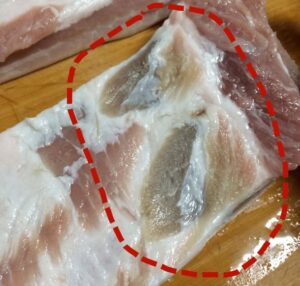
Let’s clear up the confusion immediately: Animals do not transmit cancer to humans through food, and meat inspection protocols ensure that diseased carcasses never reach the market. The greyish, bean-shaped nodules often highlighted in these viral images are actually lymph nodes or localized tissue variations, not malignant growths. While they are a completely natural part of the animal’s immune system, understanding what they are and how to handle them can ensure your family enjoys safe, wholesome meals.

The image circulating online features two dramatic visuals: a patient in a medical facility alongside a raw cut of belly pork with circled, brownish-grey patches. The text boldly claims these areas are packed with dangerous cells.
This claim relies on fear rather than food science. Public health agencies and veterinary inspectors worldwide confirm that:
Tumors Do Not Enter the Market: Stringent post-mortem inspection processes require inspectors to evaluate the head, internal organs, and lymphatic systems of every single animal. If a carcass shows signs of systemic disease or malignancy, it is immediately condemned and completely removed from the food supply chain.
Cancer Is Not Contagious via Food: Even if a consumer accidentally ingested tissue from an animal with a localized growth, it cannot take root or cause disease in the human body. The human digestive tract breaks down proteins and cellular material entirely.
If those discolored areas are not malignant cells, what exactly are you looking at when you spot a grey or brownish nodule in raw pork?

The most common explanation for these small, bean-shaped lumps embedded in the fatty tissue between muscle layers is a lymph node. Just like humans, pigs have an intricate lymphatic system designed to filter fluid and fight off infections.
Appearance: Healthy lymph nodes are typically tan, grey, or light brown and have a slightly rubbery or gelatinous texture.
Location: They are most frequently found near the throat (jowl tissue), the shoulder, and the groin area.
Sometimes, a dark spot in meat is simply a localized tissue reaction. This can happen if the animal received a routine vaccination or veterinary treatment in that specific muscle area earlier in its life. The tissue can develop minor scar tissue or a localized discoloration that remains completely harmless but looks unappealing.
While a lymph node is a natural anatomical structure and not a sign of a terminal illness, food safety experts generally recommend avoiding and cutting out these areas before cooking.
| Feature | Description | Recommendation |
| Bacterial Risk | Lymph nodes act as filters for the body. Studies show they can sometimes harbor common environmental bacteria like Salmonella. | Cut away dense lymph nodes from trimmings before preparation. |
| Flavor & Texture | These nodules do not cook down like regular fat or muscle. They remain chewy, tough, and can impart a bitter flavor to the dish. | Remove to improve the culinary quality of your meal. |
| Visual Appeal | Grey, tan, or greenish-grey patches look unappetizing in finished dishes. | Trim for better presentation. |
Summary: You do not need to discard the entire piece of meat if you find a lymph node. Simply use a sharp knife to excise the nodule and the immediately surrounding fat, wash your hands, and prepare the rest of the cut as normal.
Instead of worrying about viral social media myths, focusing on proven kitchen hygiene practices is the best way to safeguard your family from actual foodborne illness.
When preparing belly pork or pork shoulder, inspect the fatty layers. If you feel a firm, marble-sized lump or notice a distinct grey patch:
Place the meat on a dedicated plastic or wood cutting board.
Use a clean knife to cut a small cone shape around the nodule to remove it completely.
Dispose of the trimmed portion safely in the trash.
Keep raw meat entirely separate from ready-to-eat foods like salads, bread, or fresh vegetables.
Wash cutting boards, knives, and your hands with warm, soapy water for at least 20 seconds immediately after handling raw meat.
Bacteria can live on the surface of meat or within the tissue. Always use a reliable digital food thermometer to ensure proper doneness:
Fresh Pork Cuts (Chops, Roasts, Steaks): Cook to an internal temperature of 145°F (63°C), followed by a three-minute rest period.
Ground Pork: Cook to 160°F (71°C). Ground meat requires a higher temperature because any surface bacteria become mixed throughout the product during grinding.
To ensure you are buying high-quality meat that has successfully passed official safety inspections, keep these simple guidelines in mind during your next shopping trip:
Color: Look for meat that displays a bright, pinkish-red hue. Avoid cuts that look distinctly pale, greenish-grey, or excessively dark brown.
Fat Quality: The fat layers should look firm, creamy white, and consistent. Yellowish or oily fat can be a sign of poor storage or aging.
Texture: Touch the packaging or meat if possible. Fresh pork should feel relatively firm and spring back slightly. Avoid meat that feels excessively slimy, sticky, or mushy.
Odor: Fresh pork has a very mild, clean smell. If a package emits a sour, ammonia-like, or putrid odor, leave it behind.
Source: Purchase your food items from reputable supermarkets, butcher shops, or commercial suppliers that adhere strictly to regional cold-chain transportation and storage guidelines.
The internet is flooded with sensationalized health warnings designed to gain clicks through shock value. When evaluating shocking claims about the food supply, remember that modern agricultural industries rely on rigorous oversight. Trained veterinary professionals examine livestock thoroughly long before any products reach store shelves.
If you encounter an unusual grey spot or nodule while prepping dinner, do not panic. It is simply a natural lymphatic structure or a benign tissue variation. Trim it away to maintain the best flavor and texture, wash your hands, cook your meal to the recommended temperature, and enjoy your dinner with peace of mind.
Introduction: Why Your Lower Body Holds the Secret to Longevity As the years pass, the way we look at physical…

Visual puzzles and optical illusions have taken the internet by storm, challenging minds and sharpening focus across generations. Today, we…

The medical community has recently been shaken by a rare case involving a five-year-old child diagnosed with a serious malignancy…
What is the truth behind those alarming photos of discolored pork meat? You have likely seen social media warnings claiming…
Recently, a fun personality trend about toe shapes has gone viral online after many people claimed certain foot types are…
Refrigerators are often seen as the perfect solution for keeping food safe for long periods of time. But doctors are…