The Avocado Phenomenon: Superfood or Hidden Risk?
The Avocado Phenomenon: Superfood or Hidden Risk?
For the past decade, few foods have enjoyed the meteoric rise to fame quite like the humble avocado. Once a regional delicacy, this creamy green fruit has become a global staple, dominating breakfast menus, wellness blogs, and social media feeds. Often hailed as a “superfood,” it is celebrated for its rich texture and dense nutrient profile.
However, as with any massive dietary trend, sensational headlines often emerge to challenge the status quo. Clickbait advertisements and alarming social media posts frequently use ominous phrasing like “Doctors reveal that eating avocados causes…” to spark fear and drive engagement.
But what does the actual scientific evidence say? Is this green fruit truly a miracle food for your body, or are there hidden drawbacks that consumers need to be aware of? This comprehensive guide breaks down the nutritional reality of avocados, exploring their verified health perks, potential drawbacks, and how to enjoy them safely.
The Nutritional Breakdown of One Avocado
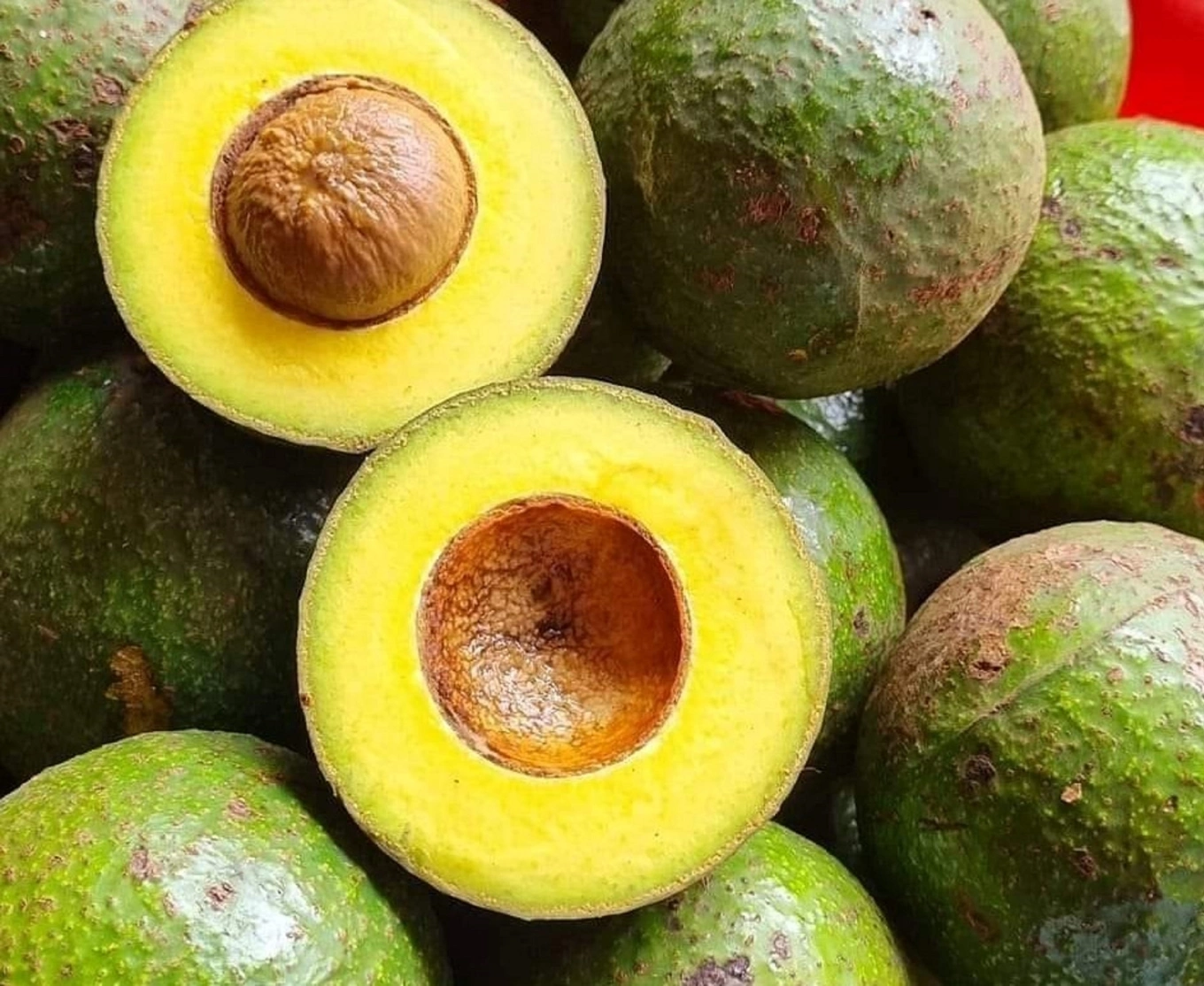
To understand how this fruit impacts the body, we must first look at its unique nutritional matrix. Unlike most fruits, which are primarily composed of carbohydrates and natural sugars, avocados are uniquely high in healthy lipids.
A standard medium-sized fruit (approximately 150 grams) typically contains:
Beyond macros, they are an excellent source of essential micronutrients, including Vitamin K, Vitamin C, Vitamin E, various B vitamins (especially Folate), Potassium, and Magnesium.
Major Health Benefits Verified by Science

When consumed as part of a balanced diet, this fruit offers a wide array of physiological advantages. Here are the primary reasons medical professionals and nutritionists highly recommend incorporating them into your meals.
1. Exceptional Support for Cardiovascular Wellness
The most well-documented benefit of this fruit is its positive impact on the cardiovascular system. It is packed with monounsaturated fatty acids (MUFAs), specifically oleic acid, which is the same heart-healthy component found in olive oil.
-
Cholesterol Optimization: Numerous clinical studies indicate that substituting saturated fats with the unsaturated fats found in this fruit can help lower low-density lipoprotein (LDL) cholesterol while maintaining or even increasing high-density lipoprotein (HDL) cholesterol.
-
Blood Pressure Management: One medium fruit provides roughly 20% of the daily recommended intake of potassium. Potassium is crucial for relaxing blood vessel walls and helping the body excrete excess sodium, directly supporting healthy blood pressure levels.
2. Enhanced Digestive Function and Gut Health
Fiber is the unsung hero of metabolic wellness, and this fruit is absolutely loaded with it. A single serving delivers nearly one-third of your daily fiber requirements.
-
Prebiotic Effects: The fiber is split between soluble and insoluble types. Soluble fiber acts as a prebiotic, feeding the beneficial microbes in your gut microbiome. A thriving microbiome is linked to improved immunity, better mood regulation, and smoother digestion.
-
Regularity: Insoluble fiber adds bulk to the digestive tract, preventing irregularities and promoting consistent gastrointestinal health.
3. Metabolic Balance and Sustained Satiety

Despite being calorically dense, this food can be a powerful tool for weight management and metabolic stability.
-
Extended Fullness: The combination of high fiber and healthy fats slows down gastric emptying. This means you feel fuller for a longer duration after eating, reducing the urge to snack on highly processed, sugary foods later in the day.
-
Stable Blood Sugar: Because it contains virtually no sugar and has a minimal glycemic index, it does not cause rapid spikes in blood glucose or insulin levels. This makes it an ideal option for individuals managing metabolic conditions.
4. Superior Nutrient Absorption
Eating healthy foods is only half the battle; your body also needs to absorb those nutrients. Many essential vitamins—specifically Vitamins A, D, E, and K—are fat-soluble, meaning they require lipids to be properly absorbed by the digestive system.
Adding a few slices of this green fruit to a leafy salad or a vegetable bowl can significantly multiply your body’s absorption of antioxidants like carotenoids (lutein and zeaxanthin) from the other vegetables.
What Happens When You Eat Too Much? Potential Drawbacks
While the benefits are vast, the sensationalized phrase “Doctors reveal that eating avocados causes…” usually refers to the consequences of overconsumption or specific medical sensitivities. No food is completely flawless, and moderation remains key.
1. Caloric Surpluses and Weight Gain
Because this fruit is rich in healthy lipids, it is naturally high in calories. While these fats are highly beneficial, the basic laws of thermodynamics still apply.
If you consume multiple whole fruits a day on top of your regular meals, the extra calories can easily accumulate, leading to unintended weight gain. For individuals monitoring their daily caloric intake, portion control is necessary.
2. Gastrointestinal Distress in Sensitive Individuals (FODMAPs)
For the majority of people, the fiber content improves digestion. However, for individuals dealing with Irritable Bowel Syndrome (IBS) or general digestive sensitivities, it can cause discomfort.
This fruit contains sorbitol, a type of sugar alcohol that falls under the category of FODMAPs (Fermentable Oligosaccharides, Disaccharides, Monosaccharides, and Polyols). In sensitive guts, sorbitol can ferment in the large intestine, causing symptoms such as:
-
Bloating and gas
-
Abdominal cramping
-
Mild digestive distress
3. Cross-Reactivity with Latex Allergies
A lesser-known medical fact is the connection between certain food allergies and natural rubber latex allergies. This is known as the latex-fruit syndrome.
The proteins found in this fruit are structurally similar to the proteins found in natural rubber latex. If an individual has a severe latex allergy, eating this fruit may trigger an allergic response, ranging from localized itching in the mouth to more severe systemic reactions. Other fruits in this category include bananas, kiwis, and chestnuts.
4. Potential Interactions with Specific Medications
This fruit contains a notable amount of Vitamin K, a nutrient that plays a fundamental role in the body’s natural blood-clotting mechanisms.
For individuals prescribed traditional blood-thinning medications (such as warfarin), maintaining a consistent daily intake of Vitamin K is essential. A sudden, massive increase in foods rich in Vitamin K can counteract the efficacy of the medication. It is always recommended for individuals on medication to consult their healthcare provider before making drastic dietary changes.
Debunking the Clickbait: Separating Myth from Fact
The viral image circulating online uses classic psychological triggers to entice clicks. Let’s address the common myths that these headlines try to exploit:
| The Clickbait Myth |
The Scientific Reality |
| “Avocados cause sudden toxicity.” |
Completely false. They are highly nutritious and safe for human consumption. Only the pits and skins should be avoided. |
| “The fats in them damage the heart.” |
Saturated and trans fats harm the heart. The monounsaturated fats in this fruit actively support cardiovascular health. |
| “You should avoid them entirely to stay lean.” |
While high in calories, their high fiber and fat content increase satiety, which can assist in long-term weight management when portion-controlled. |
How to Safely Integrate Avocados Into Your Daily Routine
To maximize the nutritional upside while completely avoiding the downsides, consider these practical dietary tips:
-
Mind Your Portions: For most individuals, eating one-third to one-half of a medium fruit per day is the sweet spot for reaping benefits without overdoing the calories.
-
Use as a Substitute: Instead of adding it on top of an already heavy meal, use it to replace less healthy fats. Swap out mayonnaise, butter, or heavily processed dressings for mashed green fruit.
-
Keep it Balanced: Pair it with lean proteins (like eggs, chicken, or tofu) and complex carbohydrates to create well-rounded, nutrient-dense meals.
Final Thoughts
The sensationalized warnings found in online advertisements are almost entirely ungrounded in medical reality. When doctors talk about the risks of avocados, they are speaking strictly about moderation, specific allergies, or interactions with unique medical prescriptions.
For the vast majority of the population, this green fruit remains an absolute nutritional powerhouse. By understanding your body’s unique needs and practicing simple portion control, you can comfortably enjoy this creamy superfood as part of a long-term, vibrant lifestyle.