Unlocking the Power of Allium Sativum
Introduction: The Ancient Bulb Making a Modern Comeback For thousands of years, civilizations across the globe have turned to a…
20/05/2026 14:01
Ugh, nothing ruins a good mood quite like looking down and seeing a jagged, peeling fingernail staring back at you. If you find yourself constantly hiding your hands or sweeping up nail clippings that snapped off way too easily, you are definitely not alone.
While it is easy to blame a bad manicure or a harsh dish soap, the truth is that your hands are often a mirror of your internal health. Those cracking, splitting tips might actually be your body’s way of sending a subtle distress signal.
Let’s dive deep into why your nails are acting up, what your body might be trying to tell you, and how you can restore them to their strong, smooth glory.
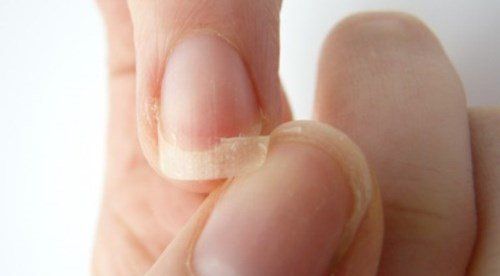
To understand why things go wrong, it helps to know how a healthy system works. Your nails are made of a tough protective protein called keratin—the exact same stuff that makes up your hair.
A healthy nail plate should be:
Smooth and even, without deep ridges or grooves.
Consistent in color (usually a healthy, translucent pinkish hue).
Flexible enough to withstand daily impact without immediately snapping.
When your body lacks specific nutrients, faces high stress, or deals with environmental imbalances, it prioritizes your vital organs over your extremities. Because your hair and nails are not essential for keeping you alive, they are often the first places to show signs of neglect.
Fragility in your hands usually falls into two categories: dry and brittle (not enough moisture) or soft and brittle (too much moisture). Here is a breakdown of the primary reasons your hands might be struggling.
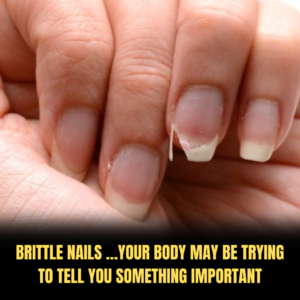
Before jumping to medical conclusions, take a look at your daily habits. The modern world can be incredibly harsh on our hands.
Frequent Water Exposure: Repeatedly wetting and drying your hands causes the nail cells to expand and contract. Over time, this weakens the bond between the keratin layers, leading to peeling.
Harsh Chemical Cleaners: Many household cleaning agents contain stripping ingredients that sap natural oils from your skin and nail beds.
The Overuse of Polish Removers: Traditional acetone is highly drying. If you change your color multiple times a week, you might be accidentally stripping your hands of essential moisture.
Your diet plays a massive role in how your body builds keratin. If your internal fuel tank is running low on specific elements, your extremities will pay the price.
Iron Deficiencies: A lack of iron can compromise oxygen delivery to your cells, often resulting in flat or even scooped-out, concave shapes.
Inadequate Protein Intake: Since your body builds these structures out of protein, a diet lacking in quality amino acids makes it incredibly difficult to maintain strength.
B-Vitamin Deficiencies: Certain B-complex vitamins are vital for healthy cellular growth and metabolic function.
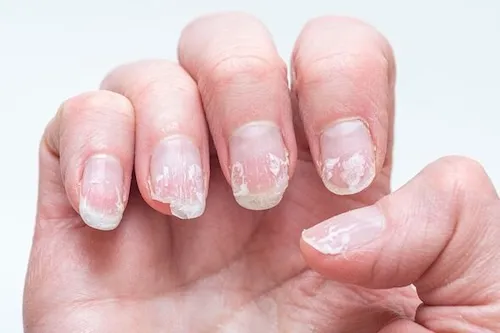
Just like our skin loses elasticity and moisture as the years pass, our nails undergo changes too. It is completely normal for them to become thinner, slower-growing, and more prone to splitting as we get older.
The good news is that you do not have to just accept weak, peeling tips forever. Making a few intentional shifts in your daily routine can make a massive difference in how your hands look and feel.
+--------------------------+---------------------------------------+
| Golden Rule              | Daily Practice                        |
+--------------------------+---------------------------------------+
| Protect Your Hands       | Wear gloves while washing dishes      |
| Lock In Moisture         | Apply a rich cream after washing      |
| Keep Them Trimmed        | File in one direction, skip clipping  |
+--------------------------+---------------------------------------+
The easiest way to stop the cycle of splitting is to prevent external damage before it happens.
Invest in Utility Gloves: Make a habit of slipping on rubber gloves whenever you do the dishes, scrub the bathroom, or work in the garden.
Ditch the Acetone: Look for non-acetone formulas when removing polish. They might take a little extra effort to work, but they are infinitely gentler on your skin and beds.
Treat your hands with the same love you show your face. Moisturizing is absolutely non-negotiable if you want to combat dryness.
Apply Cuticle Oils: Keep a small bottle of jojoba, almond, or argan oil at your desk or bedside table. Massaging a drop into the base of each finger boosts blood circulation and delivers direct hydration to the root.
Use Heavy-Duty Hand Creams: Look for formulas containing ingredients like shea butter, glycerin, or ceramides to lock in moisture after every single wash.
Building strength starts from the inside out. Focus on eating a vibrant, balanced diet rich in whole foods.
Load Up on Lean Proteins: Incorporate plenty of eggs, fish, poultry, beans, and nuts into your meals.
Eat Iron-Rich Options: Dark leafy greens, lentils, and lean red meats can help keep your energy levels high and your cellular growth on track.
Stay Hydrated: Drinking enough water throughout the day ensures that moisture reaches every single part of your body.
While most cases of fragility can be fixed with a little extra care and lifestyle adjustments, sometimes persistent issues warrant a chat with a healthcare professional.
Listen to Your Body: If you notice severe discoloration (like dark streaks), deep horizontal grooves, sudden swelling, pain around the skin, or if your nails start lifting away from the bed entirely, skip the home remedies and schedule a visit with a doctor or dermatologist.
These signs could point to underlying systemic shifts, metabolic imbalances, or skin conditions that require targeted, expert care.
Treat your hands with patience. Because nails grow slowly, it can take a few months to see the beautiful results of your new, healthy habits—but your body will absolutely thank you for the effort!
Introduction: The Ancient Bulb Making a Modern Comeback For thousands of years, civilizations across the globe have turned to a…
Is Your Body Crying Out for Help? Ugh, nothing ruins a good mood quite like looking down and seeing a…

Have you ever walked into your kitchen late at night, turned on the light, and spotted a shimmering, silver trail…
Keep Floors Sparkling Long Term Discover the simple, budget-friendly routine that naturally elevates your home care routine and keeps surfaces…

Ground pork is one of the most commonly used ingredients in many households because it is convenient, affordable, and easy…
Lung cancer remains one of the deadliest diseases worldwide, largely because symptoms often appear only after the disease has already…