
7 Morning Warning Signs Your Body Is Giving You About Internal Health
Listen to subtle morning signals to protect long-term vitality. Mornings often set the tone for the rest of our day.…
05/08/2026 18:01
Learn how to clean, prepare, and enjoy fresh green onions without worrying about hidden soil organisms.
Green onions—also widely known as spring onions or scallions—are a staple ingredient in kitchens around the world. With their crisp texture, vibrant green tops, and subtle onion bite, they add instant flavor and color to soups, stir-fries, noodles, and fresh salads. However, because green onions grow directly in moist soil and possess long, hollow tubular stems, they present unique food safety challenges. Beneath their attractive layers, unwashed green onions can harbor microscopic organisms, fine dirt particles, and naturally occurring parasites from irrigation water and soil.
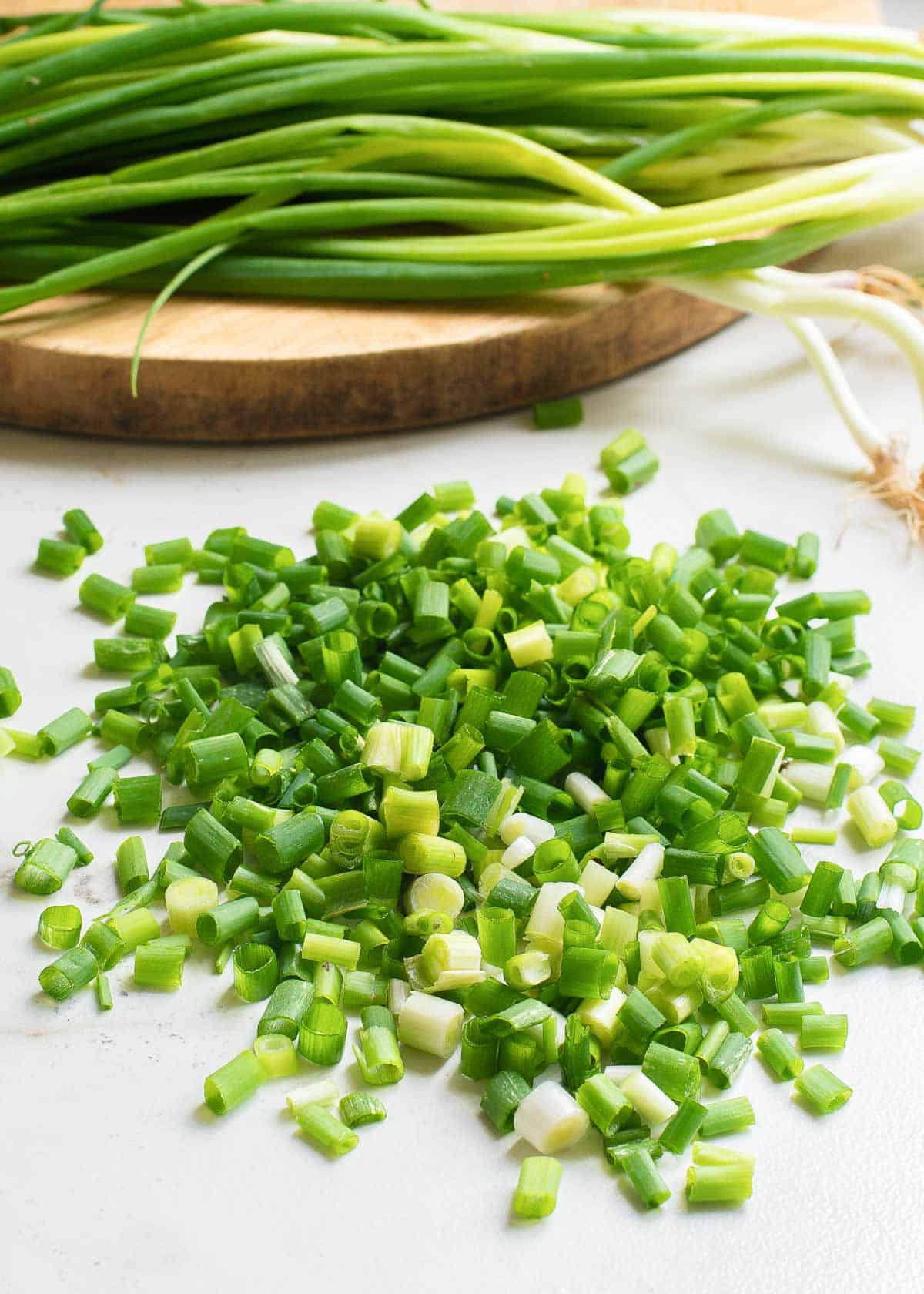
While many home cooks love garnishing hot dishes with raw, chopped scallions after a brief rinse under cold tap water, superficial washing is rarely enough to clean out the deep inner crevices of these vegetables. Understanding how soil microbes and tiny organisms attach to hollow stems—and learning how to clean green onions thoroughly—allows families to enjoy fresh, crisp garnishes with complete confidence and peace of mind.
This comprehensive guide breaks down everything you need to know about scallion food safety, common mistakes made during kitchen prep, and effective cleaning techniques to protect your home.
Green onions are unique compared to flat-leafed vegetables like lettuce or spinach. Their physical structure and agricultural environment make them particularly prone to trapping micro-organisms.
The long green tops of scallions are hollow cylinders. As the plant grows upward through wet soil, muddy water and fine sediment easily seep into the open ends or lower crevices of the tubes. Once inside, soil particles and microscopic organisms remain trapped, completely protected from a light external water rinse.
Near the root base, green onions consist of tightly wrapped concentric layers. Soil, small bugs, and organic matter easily become lodged between these tight paper-like sheaths near the root system.
Green onions thrive in damp, nitrogen-rich soil and require frequent watering. If irrigation water contains runoff from nearby livestock farms or natural wildlife habitats, microscopic single-celled organisms, soil bacteria, and parasitic cysts can easily settle on the soft tissue of the plants.
Understanding what can reside on fresh green onions helps demystify food safety and highlights why proper cleaning is so essential before serving them raw.
Soil is naturally teeming with environmental bacteria. While most soil bacteria are completely harmless, produce harvested directly from damp earth can carry agricultural microbes that trigger mild digestive discomfort if consumed unwashed and raw.
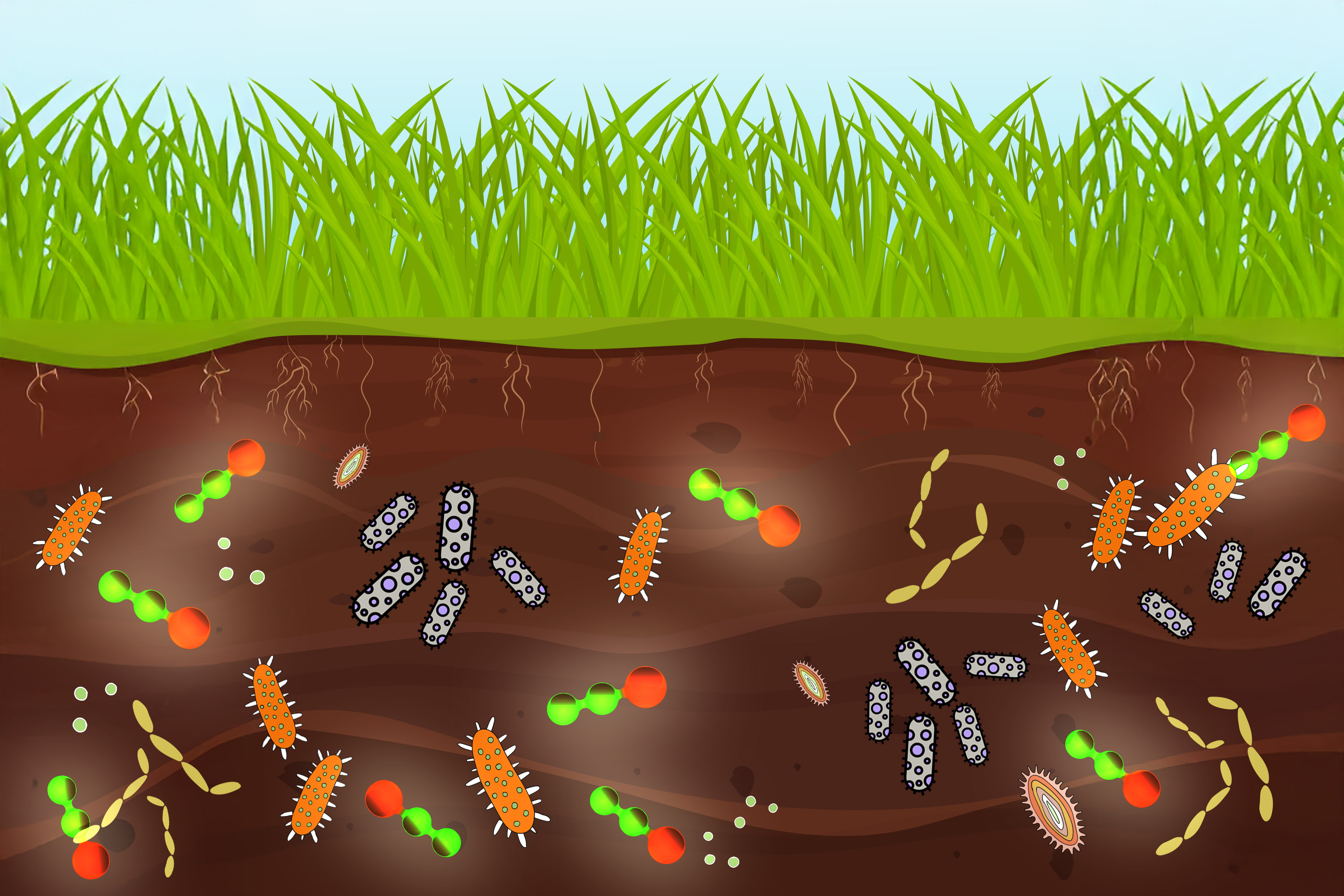
When green onions are grown using surface water or natural river sources, microscopic single-celled organisms can cling to the lower stems. These invisible cysts survive well in cool, moist environments and can migrate into the digestive tract if the vegetables are consumed raw.
Because green onions are frequently harvested by hand and packaged fresh without thermal processing, parasitic cysts from soil or unwashed hands can adhere tightly to the outer skin and hollow stem walls.
Holding a bunch of green onions under a cool tap for a few seconds is a common household habit, but it often fails to clean the most vulnerable areas of the plant.
Eliminating unwanted microbes and soil from your scallions does not require complex equipment. Following this simple kitchen routine ensures your green onions are crisp, clean, and completely safe to eat.
Place the green onions on a clean cutting board:
If you plan to use scallions raw in salads or as a fresh garnish, slice the green tubes open lengthwise or chop them first. Opening the hollow interior allows water to reach the inner surfaces where hidden dirt accumulates.
Lift the green onions out of the soak (leaving settled dirt at the bottom of the bowl) and rinse them thoroughly under cold running water in a colander. Pat them completely dry with a clean paper towel before chopping or storing.
While properly washed green onions can be enjoyed raw, applying heat remains the absolute safest way to neutralize all micro-organisms instantly.
Green onions are a delicious, essential ingredient in countless home recipes, but their unique hollow shape demands careful preparation. By trimming the root base, peeling back outer layers, soaking in salt or vinegar water, and applying light heat whenever possible, you can safely enjoy the crisp taste of fresh green onions in every meal.
Listen to subtle morning signals to protect long-term vitality. Mornings often set the tone for the rest of our day.…

Protect your eyes by keeping your eyelashes clean and healthy. Long, voluminous eyelashes have always been a cornerstone of modern…

Learn how to clean, prepare, and enjoy fresh green onions without worrying about hidden soil organisms. Green onions—also widely known…

Understand skin signs safely and keep your loved ones protected. Spending time outdoors is a wonderful way to enjoy fresh…

Many drivers have a habit of leaving a bottle of water in the car for convenience. It seems harmless—after all,…

How it works: Salt is hygroscopic—it absorbs moisture from the air. By placing a container of salt in your car…