
4 Vegetables That May Turn Toxic: What Every Family Should Know
When Healthy Foods Become a Health Risk Most people associate vegetables with good health, disease prevention, and longevity. Rich in…
05/06/2026 18:35
Have you ever woken up in the middle of the night, or first thing in the morning, feeling as though you have wandered through a desert? Your throat feels scratchy, your lips are parched, and you are desperately craving a cool glass of water. Experiencing a dry mouth while sleeping—especially during the second half of the night—is more than just a minor inconvenience. Often, it is your body’s unique way of sending you a message about your daily habits, your sleep environment, or your overall wellness.
Rather than dismissing this feeling as simple thirst, it is highly beneficial to look a little closer at your routine. Saliva plays a vital role in keeping your oral environment balanced, assisting with digestion, and ensuring you rest comfortably. When that moisture disappears, it can disrupt your rest and leave you feeling groggy.
This comprehensive guide will help you decode the eight most common reasons behind nighttime dryness and offer actionable, gentle lifestyle adjustments to help you reclaim a refreshing, uninterrupted night of rest.
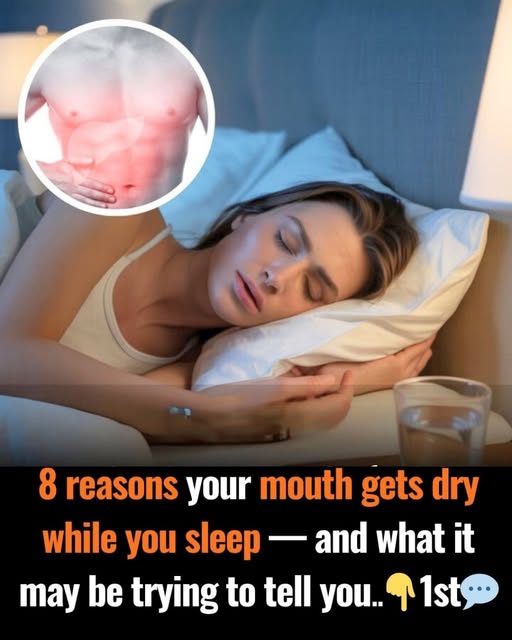
One of the most frequent contributors to waking up parched is the habit of breathing through your mouth rather than your nose while you sleep.
Why This Happens: The human body is naturally designed to breathe primarily through the nose, which warms, filters, and humidifies the air before it reaches the lungs. When you breathe through your mouth, the constant inflow and outflow of air rapidly evaporate the protective layer of saliva. This is incredibly common if you experience seasonal sensitivities, have a stuffy nose from dust in the bedroom, or tend to sleep in positions that cause your jaw to drop open. Furthermore, those who snore loudly are almost constantly keeping their mouths open, leading to an extremely dry sensation upon waking.
How to Improve It:
Optimize Your Sleep Position: Try sleeping on your side instead of your back, which can naturally help keep your jaw closed and promote nasal breathing.
Keep Your Space Clean: Regularly wash your bedsheets and vacuum your bedroom to minimize dust and dander that might cause nighttime stuffiness.
Nasal Strips: Consider using gentle over-the-counter nasal strips that help open your nasal passages, making it easier and more comfortable to breathe through your nose all night long.

Your body requires a consistent, adequate supply of water to maintain its essential functions, and the production of saliva is no exception.
Why This Happens: If you are not sipping enough water throughout your busy day, your body simply does not have the necessary resources to keep your mouth moist during the night. Additionally, if you sleep in heavy blankets or a very warm room, you may lose a significant amount of water through nighttime sweating. By the time the second half of the night rolls around, your hydration levels drop, leading directly to a dry mouth.
How to Improve It:
Consistent Sipping: Aim to drink plenty of water throughout the day. A good rule of thumb is to carry a reusable water bottle and take consistent sips.
Mind Your Evening Intake: While hydration is key, try to avoid chugging large amounts of water right before bed. Doing so might lead to interrupted sleep due to bathroom visits. Instead, have a small, soothing sip of water before pulling up the covers.
Mental tension does not just affect your mood; it has a profound, physical impact on how your body functions, including the activity of your salivary glands.
Why This Happens: When you are feeling overwhelmed or stressed, your body’s “fight or flight” response can be triggered. This natural reaction redirects blood flow and energy away from non-essential functions—like digestion and saliva production—toward your muscles and brain. If you go to bed with a racing mind, worrying about tomorrow’s tasks, your body remains on high alert, significantly reducing the moisture in your mouth.
How to Improve It:
Create a Wind-Down Routine: Dedicate 20 to 30 minutes before bed to screen-free relaxation.
Calming Activities: Try reading a lighthearted book, listening to soft acoustic music, or practicing gentle deep-breathing exercises to signal to your body that it is time to rest.

The atmosphere in the room where you rest your head plays a surprisingly critical role in your physical comfort during the night.
Why This Happens: Modern conveniences like air conditioning and central heating systems are wonderful for temperature control, but they are notorious for pulling natural moisture right out of the air. If you sleep in an environment with very low humidity, the dry air you breathe in will quickly strip away the moisture from your lips, mouth, and throat.
How to Improve It:
Introduce a Humidifier: Placing a cool-mist humidifier on your nightstand is one of the most effective ways to add moisture back into the air.
Natural Alternatives: If you do not have a humidifier, placing a small bowl of water near the heating vent or hanging a damp towel in the room can gently elevate the humidity levels as you sleep.
What you consume in the hours leading up to bedtime can be the hidden culprit behind your nighttime thirst.
Why This Happens: Enjoying beverages that contain caffeine (like late-afternoon coffee or certain teas) or having a glass of wine with dinner can impact your hydration. Both caffeine and alcohol have diuretic properties, meaning they encourage your body to flush out liquids faster than usual. Similarly, eating dinners or late-night snacks that are heavily salted or overly spicy can draw water out of your cells, leaving you feeling exceptionally parched by 3:00 AM.
How to Improve It:
Timing is Everything: Try to limit your intake of caffeinated or alcoholic beverages at least three to four hours before you plan to sleep.
Gentle Alternatives: Swap your evening cup of traditional tea for a soothing, caffeine-free herbal alternative like chamomile or peppermint, which supports relaxation without dehydrating you.
Sometimes, the very products we use to keep our mouths feeling fresh can inadvertently cause excessive dryness.
Why This Happens: Many popular, commercially available mouthwashes contain high percentages of alcohol. While alcohol gives that intense “clean and tingling” sensation, it is an astringent that aggressively dries out the sensitive tissues inside your mouth. If using these products is the very last thing you do before getting into bed, you are setting yourself up for a dry night.
How to Improve It:
Read the Labels: Switch to an alcohol-free mouthwash. Many excellent brands offer formulas that are designed specifically to moisturize and protect without stripping away natural hydration.
Gentle Toothpastes: Look for oral care products formulated with natural, gentle ingredients that support a balanced oral environment.
The harmony of your digestive system is closely linked to your nighttime comfort, more so than many people realize.
Why This Happens: If you occasionally experience a feeling of digestive discomfort where stomach contents slowly make their way upward while you are lying down, it can cause irritation in your throat and mouth. To counteract this irritation, you might instinctively swallow more or breathe differently, which disrupts the natural resting state of your mouth and leaves it feeling dry and sour.
How to Improve It:
Allow Time for Digestion: Try to finish your last large meal at least two to three hours before heading to bed.
Elevate Your Rest: Sleeping with your head slightly elevated—either by using an extra pillow or placing bed risers under the headboard—can use gravity to keep your digestion moving in the right direction.
As we journey through different stages of life, our bodies naturally evolve, and the way we produce moisture changes too.
Why This Happens: As we mature, particularly moving into our middle and later years, the overall function of various bodily systems gently slows down. The glands responsible for creating saliva may naturally become less active due to normal hormonal shifts and the standard aging process. It is a completely natural part of life, but it does mean you might notice a drier mouth now than you did a decade ago.
How to Improve It:
Proactive Care: While we cannot turn back the clock, we can support our bodies by maintaining excellent hydration habits.
Moisture Boosters: Keep a glass of water on your bedside table for quick comfort, and consider using specially formulated moisturizing lozenges or oral sprays designed to replicate natural saliva for lasting nighttime comfort.
When Healthy Foods Become a Health Risk Most people associate vegetables with good health, disease prevention, and longevity. Rich in…

Why Avocados Are Considered a Superfood Avocados are unique among fruits because they contain a high amount of healthy fats…

Why Do Leg Cramps Happen at Night? Nighttime leg cramps are sudden, involuntary muscle contractions that typically affect the calf…

A brain aneurysm is a weakened area in the wall of a blood vessel in the brain that balloons outward…

The Hidden Ecosystems Beneath Our Feet: Decoding Urban Wildlife Discoveries Have you ever walked down a bustling city street, your…
Have you ever woken up in the middle of the night, or first thing in the morning, feeling as though…