Why Do Jeans Get Weird Ripples After Washing?
Why do your favorite jeans look wavy? Here is the truth.
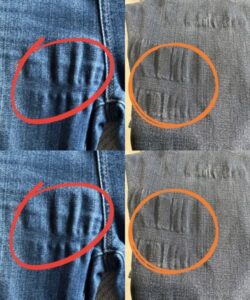
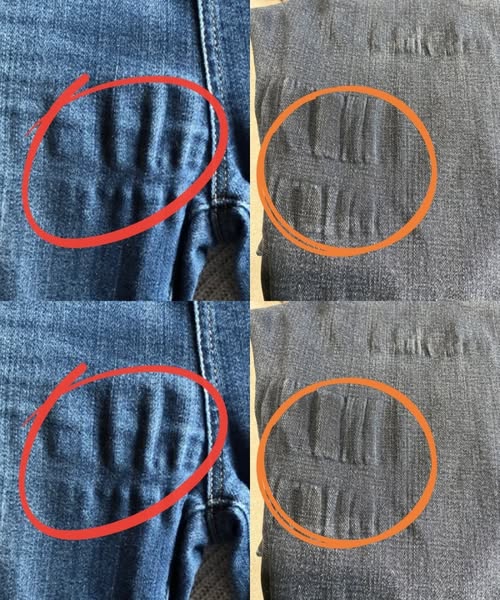
Few things are as frustrating as pulling your favorite, perfectly tailored pair of denim trousers out of the laundry machine only to find them permanently altered. Instead of the smooth, crisp fabric that contours cleanly to your legs, you are greeted by an unsightly phenomenon: wave-like distortions, horizontal structural puckers, or “weird ripples” stretching across high-mobility zones. These irregular distortions typically materialize around the upper thighs, the crotch area, the knees, or along the major seams. If you have noticed these horizontal bands of bunched-up material, you are experiencing a notorious textile failure known in the manufacturing sector as garment puckering or elastane degradation.
This problem is not an isolated mishap, nor does it stem from an ordinary laundry crease that a simple pass with a hot steam iron can eliminate. It represents an irreversible physical and chemical breakdown of the modern structural fibers woven directly into modern textiles. To understand why this happens, how to prevent it from consuming your wardrobe, and what choices to make during your next shopping excursion, we must delve deep into the mechanics of contemporary denim production, polymer science, and modern home maintenance methodologies.
The Structural Evolution of Denim: From Pure Cotton to Hybrid Polymers
To diagnose why modern garments fail in this specific manner, we must contrast historical garment production with modern consumer expectations. Traditional denim, dating back to its industrial workwear origins, was manufactured from 100% heavy cotton yarns woven in a sturdy twill pattern. Cotton fibers possess high structural rigidity, minimal elasticity, and high thermal stability. A pure cotton weave does not stretch significantly; instead, it slowly molds to the shape of the wearer’s anatomy over months of repetitive motion, breaking in naturally without losing its fundamental tensile memory.
However, modern consumer preferences shifted dramatically toward body-contouring silhouettes, immediate out-of-the-box comfort, and uninhibited physical movement. To satisfy this demand for snug fits without compromising basic flexibility, textile manufacturers introduced synthetic elastomeric polymers into the traditional cotton matrix. These synthetic inclusions are known globally by various technical and trade terms: spandex, elastane, or Lycra.
In standard hybrid weaves, the core warp yarns (the vertical threads dyed with indigo) remain dominant cotton, while the weft yarns (the horizontal filler threads) are engineered as core-spun structures. These specialized horizontal yarns feature an inner elastic core made of synthetic polyurethane segments wrapped in a protective sheath of natural cotton or polyester filaments. By introducing varying percentages of these synthetic fibers, brands can create different tiers of structural elasticity:
-
Rigid Denim (0% Synthetic): Composed entirely of raw or washed cotton. It is heavy, structurally immutable, completely immune to chemical wrinkling, and highly durable under harsh washing regimens.
-
Comfort Stretch (1% to 2% Synthetic): Offers a slight degree of physical accommodation. It provides minor ease through the waist and hips while retaining the visual weight and aging characteristics of old-school fabrics.
-
Performance / Super Stretch (3% to 5%+ Synthetic): Found heavily in skinny profiles, jeggings, and modern ultra-flexible garments. This high concentration enables substantial elongation, allowing the fabric to expand by up to 30% to 40% under light structural loads.
While this synthetic integration delivers immediate comfort, it introduces a significant engineering trade-off: a critical vulnerability to environmental stressors that completely changes how the fabric responds to routine laundering cycles.
The Mechanical and Chemical Catalyst: Why Rippling Occurs
The characteristic “weird ripples” visible on washed trousers are directly caused by a structural mismatch within the hybrid weave, resulting from localized elastic failure. When an elastic fiber functions properly, it undergoes a predictable mechanical cycle: it extends under physical tension and fully retracts back to its baseline layout once the force is removed.
When the inner synthetic core breaks, snaps, or loses its polymer memory, it can no longer pull the surrounding fabric back into place. Consequently, the affected horizontal weft yarns remain permanently elongated, sagging outward. Meanwhile, the adjacent uninjured cotton threads try to retain their original structural density. This mismatch causes the loose, over-stretched sections to bunch up into visible, wave-like ridges—creating the classic rippled deformation pattern.
The physical waves you see are actually dead zones where internal elastic micro-filaments have ruptured or melted, leaving excess, loose fabric that has nowhere to go but upward and outward. This localized failure is rarely caused by a single factor. Instead, it is typically accelerated by a combination of thermal, chemical, and mechanical forces encountered during typical washing and drying processes.
1. Thermal Degradation and Polymer Melting
The primary culprit behind structural synthetic failure is excessive heat. Polyurethane-based polymers are highly sensitive to thermal exposure. Unlikely natural cotton, which withstands boiling water and intense iron settings, synthetic elastane begins to soften, lose its structural memory, and undergo internal structural breakdown at elevated temperatures.
When you wash your garments in hot water or subject them to high-temperature cycles in a mechanical clothes dryer, you reach the thermal threshold where the synthetic molecular bonds start to break down. The internal core weakens, stretches past its structural limit under the agitation of the machine, and undergoes permanent deformation. Once cooled, it hardens in this stretched-out state, completely destroying its native elastic memory.
2. Chemical Attack via Commercial Fabric Softeners
Another major driver of this issue is the regular use of commercial fabric softeners and aggressive chemical detergents. Fabric softeners operate by depositing a thin layer of lubricating chemicals, typically quaternary ammonium compounds, over the textile fibers to make them feel smoother to the touch.
While this chemical treatment works fine on standard cotton or wool, it acts as a degradation agent on synthetic elastomers. The chemical compounds penetrate the outer protective cotton sheath and bind directly to the synthetic core. This alters the polymer’s internal friction, causing the synthetic strands to slip, unravel, or chemically degrade. Over time, this chemical buildup robs the fiber of its ability to bounce back, resulting in structural sagging and localized wrinkling.
3. Mechanical Stress and Structural Snapping
The third contributing factor involves localized physical strain combined with aggressive machine agitation. High-mobility zones like the upper thighs and crotch experience constant extension while you sit, walk, or bend. This mechanical action pulls the synthetic fibers close to their maximum physical design limits.
When a highly tensioned garment is thrown into a high-speed spin cycle, the mechanical pulling, twisting, and rubbing against heavier clothes (like denim jackets, coarse towels, or metal zippers) applies massive structural forces to the fabric. Under these high-load conditions, individual stretched filaments within the yarn can snap. This structural failure causes the yarn to instantly unwind inside the denim weave, leading to distinct patches of rippled distortion.
Industrial Root Causes: Manufacturing and Design Defects
While household laundry habits frequently trigger or speed up this structural failure, some garments are doomed from the start due to decisions made during design and production. Cut-rate manufacturers prioritizing high profit margins often cut corners, leading to premature structural breakdown regardless of how carefully you wash your clothes.
A primary factor is using low-grade, short-staple synthetic polymers. High-quality elastane (such as authentic Lycra) is engineered with long, continuous polymer chains that offer excellent resilience and thermal endurance. In contrast, cheaper generic substitutes use shorter polymer blocks that break down rapidly when exposed to minor heat or friction. Additionally, if the manufacturer fails to properly set the fabric’s memory via high-temperature stentering during finishing, the internal components remain structurally unstable from day one.
Furthermore, improper sewing mechanics during assembly can introduce hidden structural defects. If a factory’s sewing machines operate at excessive speeds or use dull, improperly sized needles, the needle can cut directly through the hidden synthetic core rather than sliding cleanly around it. These micro-punctures sever the internal elastic threads before the garment ever leaves the facility. While the surrounding cotton threads temporarily mask this damage during initial distribution, the very first wash cycle releases the loose yarn ends, causing instant seam puckering and localized surface waves.
Can You Fix Damaged, Rippled Denim?
When consumers encounter this issue, their first instinct is to reach for a hot iron or a heavy fabric steamer to flatten out the ridges. However, it is vital to understand the difference between temporary structural wrinkles and permanent material degradation. Standard creases happen when loose surface fibers get pressed out of alignment during a wash cycle; a quick application of heat and moisture relaxes the fibers and restores a smooth look.
In contrast, rippling caused by synthetic polymer breakdown is a permanent structural failure. Once the internal chemical bonds of the elastane have melted, unraveled, or snapped, the material loses its structural integrity. There is no magic laundry hack, chemical spray, or setting that can reconnect ruptured polymer chains or restore melted synthetic cores. Applying an intense, dry iron to an already damaged area will actually worsen the issue, melting any surviving elastic strands nearby and expanding the wave-like damage across the garment.
For garments experiencing early-stage, minor distortions, you can try a temporary cosmetic fix using a combination of moisture, light starch, and low, controlled heat:
-
Lightly dampen the warped section with cold water or a specialized fabric crisping spray.
-
Gently manually smooth out the wet fabric, pulling it flat along the line of the horizontal distortion to minimize the bunching.
-
Place a clean, dry cotton cloth directly over the denim to serve as a protective thermal barrier.
-
Set your iron to a low, dedicated synthetic setting (strictly avoiding high settings) and press down lightly without shifting the iron back and forth aggressively.
This process flattens the outer cotton fibers, providing a temporary smoothing effect that can help hide the damage for a few hours. However, as soon as you sit down, walk, or expose the garment to body humidity, the underlying structural slack will return, causing the ripples to reappear. Ultimately, severely damaged denim cannot be fully restored to its original state, making prevention your most effective option.
The Definitive Prevention Playbook: How to Protect Your Jeans
Because structural synthetic failure is irreversible, protecting your clothing collection requires a proactive preservation strategy. By adjusting your laundry routine and handling methods, you can dramatically extend the lifespan of your stretch garments and prevent these ugly surface distortions from developing.
1. Lower Your Wash Temperatures
The simplest and most critical rule for preserving hybrid fabrics is to completely avoid hot water. Always set your laundry machine to a dedicated cold wash cycle, ideally maintaining water temperatures between 20°C and 30°C (68°F to 86°F). Cold water cleans your clothes effectively without stressing the internal synthetic polymers, ensuring the elastic core stays intact and functional wash after wash.
2. Eliminate the Mechanical Dryer
Residential clothes dryers are the single biggest cause of synthetic garment failure. The combination of high heat and prolonged mechanical tumbling creates an ideal environment for polymer melting and structural snapping. Instead, air-dry your stretch garments by laying them flat on a drying rack or hanging them from the waistband using padded clips. If you must use a mechanical dryer, select a zero-heat, air-fluff setting to protect the internal fibers from thermal damage.
3. Choose Gentle, Targeted Laundering Programs
Aggressive spin cycles apply extreme mechanical force that can snap fragile internal filaments. Switch your machine to a gentle, delicate, or hand-wash setting. These programs utilize slower agitation patterns and reduced spin speeds, minimizing physical pulling on high-stress areas like seams and thighs. Additionally, always wash your garments inside out to protect the surface fibers from direct friction against the washing drum.
4. Rethink Your Detergents and Drop the Softeners
Protecting your wardrobe requires choosing the right cleaning agents. Avoid harsh, heavy-duty detergents packed with aggressive chemical brighteners, built-in softeners, or intense enzymes that can degrade synthetic components. Instead, opt for mild, neutral pH liquid formulas designed for delicate fabrics. Most importantly, completely eliminate commercial liquid fabric softeners and dryer sheets from your laundry routine, as their chemical additives actively break down synthetic resilience.
5. Implement a Rotation Schedule
Synthetic polymers need time to naturally recover their shape after enduring hours of body heat and physical stretching. Wearing the same pair of stretch trousers multiple days in a row keeps the internal fibers under constant, uninterrupted tension, accelerating permanent structural sagging. Give your garments a minimum of 24 to 48 hours of rest between wears, allowing the elastic matrix to fully snap back to its baseline state.
Smart Shopping: Selecting Long-Lasting Denim
Preventing fabric failure starts before you even step up to the register. Developing a sharp eye for material compositions and construction indicators allows you to easily filter out low-grade, fragile garments right on the sales floor.
Always make it a habit to check the internal fiber composition label before making a purchase. If durability and structural longevity are your primary goals, prioritizing 100% pure rigid cotton is the absolute safest bet. Authentic all-cotton garments develop beautiful, unique wear patterns over time and are physically incapable of developing synthetic ripples, regardless of how often they are laundered.
If you prefer the body-hugging fit and instant comfort of stretch blends, aim for a balanced composition. Look for options with an elastane or spandex content capped at 1% to 2%. This low percentage provides plenty of flexibility for daily wear while ensuring the surrounding cotton fibers maintain overall structural stability. Be cautious of garments featuring 4% to 8% synthetic content; these configurations behave more like high-density leggings and face a significantly higher risk of rapid structural breakdown.
Additionally, take a close look at the physical weight and structure of the material. High-quality options utilize premium long-staple cotton and multi-ply twisted yarns, which feel substantial, dense, and slightly stiff even when blended with elastic components. In contrast, low-grade alternatives often feel unnaturally slick, thin, and papery right off the rack. Paying close attention to these subtle material details helps ensure your next investment will remain smooth, pristine, and distortion-free for years to come.