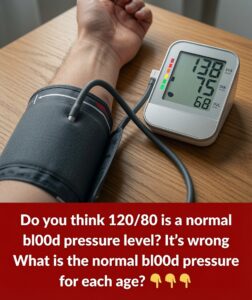
Understanding Normal Blood Pressure Levels Across Different Age Groups
Learn the truth about healthy blood pressure for every age stage.
For decades, many people have grown up hearing that 120/80 mmHg is the golden standard for healthy blood pressure. While that number is often cited as a general reference point, assuming it applies perfectly to everyone at every stage of life is a widespread misconception. Our bodies continuously adapt over time, and vascular changes naturally occur as we grow older.
Understanding what constitutes a healthy reading across various life stages empowers you to monitor your wellness more effectively. Let’s break down how readings change, what factors influence these numbers, and how to maintain healthy circulatory function throughout your life.
Decoding the Numbers: Systolic and Diastolic
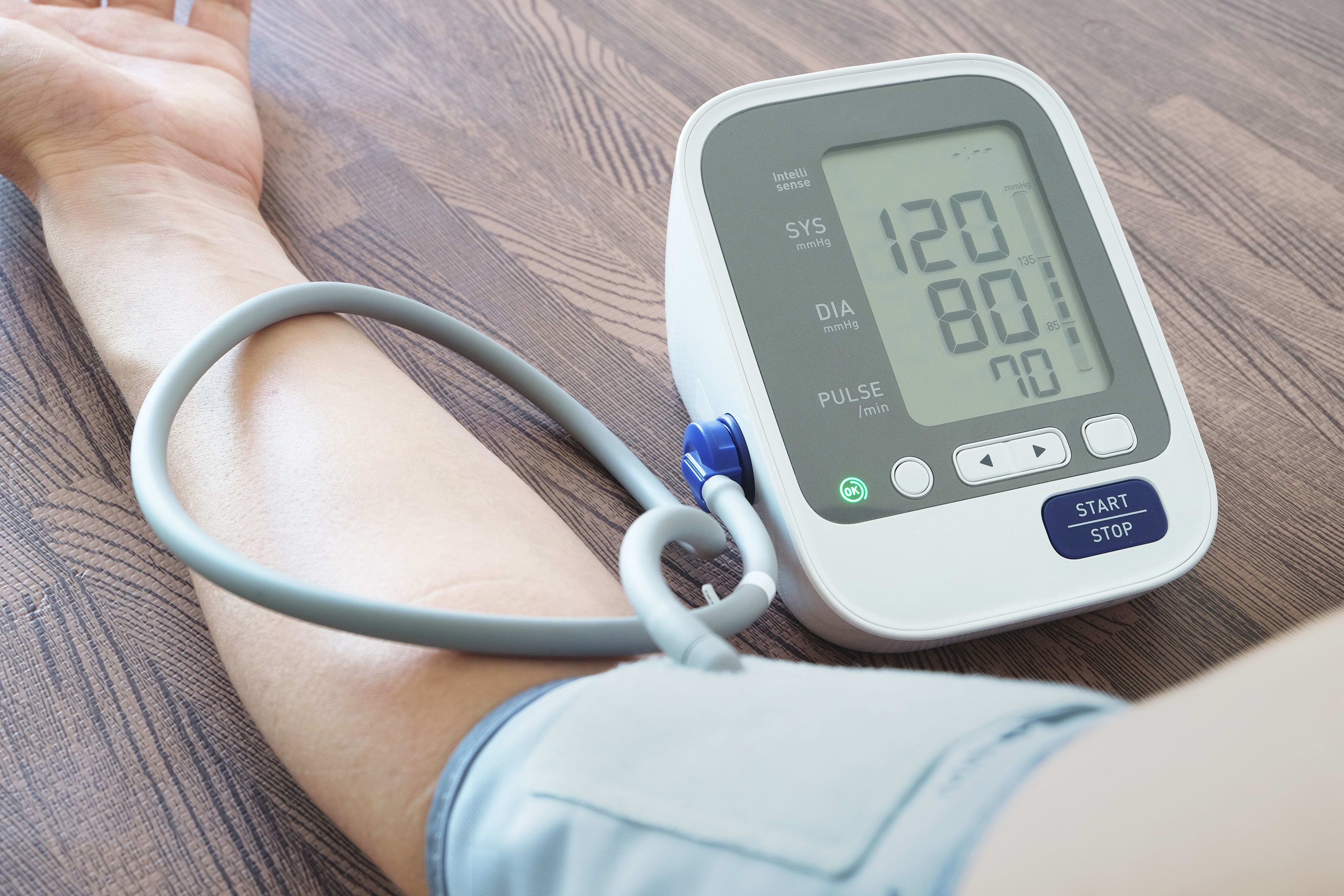
When you wrap a cuff around your arm and press start, the monitor displays two distinct numbers. Knowing what each figure represents is essential for interpreting your overall health.
- Systolic Reading (Top Number): Measures the pressure exerted against arterial walls as the heart actively pumps during a beat.
- Diastolic Reading (Bottom Number): Measures the pressure remaining in the arteries when the heart rests between beats.
Both numbers offer crucial insights into vascular resistance, heart exertion, and overall circulatory health.
Why Ideal Ranges Shift As You Age
As humans age, blood vessels gradually undergo structural changes. Arterial walls naturally become less flexible and somewhat stiffer over time. Because stiffer vessels do not expand as easily when the heart pumps, systolic readings frequently trend higher as adults mature.
Because of this natural physiological shift, a reading that is expected for a young adult in their twenties may look quite different from what is typical for an individual in their sixties or seventies. Recognizing these age-related dynamics helps prevent unnecessary alarm while encouraging proactive health habits.
Typical Ranges Throughout Life Stages
While individual recommendations should always come from a qualified healthcare provider, understanding general baseline trends provides valuable context.
Young Adults (Ages 18–39) For young adults, optimal baseline readings generally cluster around 110–120 mmHg systolic and 70–80 mmHg diastolic. Maintaining low-stress levels, regular physical activity, and a balanced diet during these years establishes a solid foundation for long-term cardiovascular resilience.
Middle-Aged Adults (Ages 40–59) During middle age, natural arterial changes and life stress can cause subtle upward movements in baseline pressure. Typical healthy ranges often hover around 120–130 mmHg systolic and 75–85 mmHg diastolic. Monitoring trends regularly during this period is key to catching elevation early.
Older Adults (Ages 60 and Above) For seniors, mild elevation in the upper number (systolic) is common due to natural vascular stiffness. Medical guidelines frequently accept slightly higher systolic ranges—often up to 130–135 mmHg—provided the individual feels well and has no underlying complications.

Key Factors That Alter Your Daily Readings
Blood pressure is dynamic, not static. It fluctuates throughout the day in response to internal and external triggers:
- Daily Rhythms: Readings tend to be lower during sleep and rise naturally after waking up.
- Physical Activity: Exercise temporarily boosts systolic pressure to supply oxygenated flow to active muscles.
- Dietary Sodium: Excess salt intake causes the body to retain fluids, increasing volume and pressure within vessels.
- Hydration Levels: Dehydration can cause sudden drops or irregular spikes in readings.
- Stress and Emotion: Mental tension releases hormones that temporarily constrict blood vessels.
Common Errors When Measuring at Home
Taking accurate measurements at home requires proper technique. Simple oversight can lead to false high or low readings. To ensure accuracy:
- Rest Before Testing: Sit quietly for 5 minutes before pressing start.
- Position Your Arm Correctly: Keep your arm supported at heart level on a table.
- Avoid Caffeine and Exercise: Refrain from hot beverages, smoking, or workouts 30 minutes prior to testing.
- Keep Still and Quiet: Refrain from talking or moving during the reading process.
- Place the Cuff on Bare Skin: Wrapping the cuff over thick clothing can distort the result.
Daily Habits for Healthy Circulation
Promoting healthy vascular function relies on straightforward, consistent lifestyle choices that benefit people of all ages:
- Stay Physically Active: Aim for moderate daily movement like walking, swimming, or cycling.
- Eat Wholesome Foods: Focus on leafy greens, potassium-rich fruits, whole grains, and lean proteins.
- Manage Stress: Practice deep breathing, mindfulness, or relaxing hobbies to calm the nervous system.
- Maintain Hydration: Drink adequate water throughout the day to support smooth fluid circulation.
- Limit Processed Foods: Reduce intake of pre-packaged meals high in hidden sodium.
Monitoring your numbers thoughtfully while embracing healthy daily routines ensures optimal vitality at every stage of life.