Nail Lines After 40: What They May Mean for Your Health
Many social media posts claim that lines appearing on your nails after the age of 40 are a definite sign of a serious illness. While such headlines often attract attention, medical experts say the truth is far more nuanced. Nail changes can occur naturally as part of the aging process, but in some cases they may also reflect nutritional deficiencies, skin disorders, or underlying medical conditions. Understanding what is normal—and what is not—can help you decide when it’s time to seek professional advice.
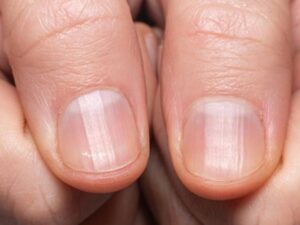
As we age, the body undergoes many subtle changes, and the nails are no exception. One of the most common changes is the appearance of vertical ridges that run from the cuticle to the tip of the nail. These ridges often become more noticeable after the age of 40 because nail growth slows and the nail plate gradually changes in texture. For most people, these vertical lines are completely harmless and require no treatment.
Horizontal lines, however, are different. Deep grooves that stretch across the nail, known as Beau’s lines, may develop after a significant illness, high fever, major surgery, severe stress, or injury to the nail. They form when nail growth temporarily slows or stops. Although they are not dangerous by themselves, they can provide clues that the body experienced a period of physical stress.
Color changes may also offer important information. Healthy nails are usually pink with pale white tips. Nails that become yellow, white, blue, or dark brown may have various causes ranging from fungal infections and minor injuries to circulation problems or, in rare cases, more serious medical conditions. Persistent discoloration should always be evaluated by a healthcare professional.
Nutritional deficiencies can sometimes affect nail appearance. Low levels of iron, vitamin B12, zinc, or protein may contribute to brittle nails, spoon-shaped nails, or slowed nail growth. Fortunately, these conditions are often reversible once the underlying deficiency is identified and treated. Eating a balanced diet rich in lean protein, fruits, vegetables, whole grains, nuts, and healthy fats supports healthy nail growth.
Certain skin conditions, including psoriasis and eczema, may also affect the nails. Psoriasis can cause pitting, thickening, discoloration, or separation of the nail from the nail bed. Fungal infections, especially in the toenails, may lead to yellowing, thickening, and crumbling nails that usually require medical treatment.
It is important to remember that nails alone cannot diagnose diseases such as heart disease, liver disease, kidney disease, diabetes, or cancer. While nail changes occasionally occur alongside these conditions, doctors rely on medical history, physical examination, laboratory testing, and imaging studies to make an accurate diagnosis. Social media claims that a single nail line proves the presence of a serious illness are not supported by medical evidence.
Good nail care also plays an important role in maintaining healthy nails. Keeping nails clean and dry, avoiding harsh chemicals, moisturizing the hands and cuticles, trimming nails regularly, and wearing protective gloves during household chores can help prevent damage. People who frequently use nail polish removers or artificial nails should allow the nails time to recover between treatments.
Although most nail ridges that develop with age are harmless, some situations deserve medical attention. You should consult a healthcare provider if you notice sudden changes in nail color, rapidly developing horizontal grooves, thickened or painful nails, persistent nail separation, bleeding beneath the nail without injury, or a dark streak that continues to enlarge. Early evaluation can help identify conditions that may require treatment.
Your nails can provide useful clues about your overall health, but they should never be interpreted in isolation. Most changes after the age of 40 are simply part of normal aging. Paying attention to persistent or unusual changes, maintaining a healthy lifestyle, and seeking professional medical advice when necessary remain the best ways to protect both your nails and your overall well-being.