
A Baggage Handler Reveals Why You Should Never Tie a Ribbon to Your Suitcase
Many travelers tie a colorful ribbon, scarf, or piece of fabric to their luggage so it stands out on the…
04/08/2026 05:02
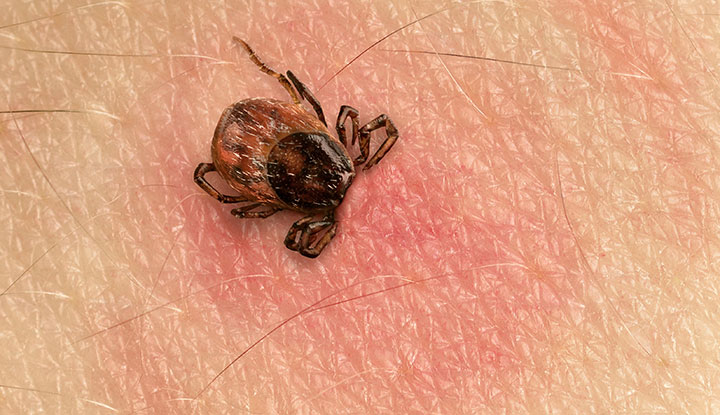
Learn how to safely identify and clear ticks from your home.
Few things match the sudden jolt of adrenaline that comes from spotting a tiny, multi-legged creature crawling across your pristine bedsheets. Your bedroom is supposed to be a private sanctuary, a stress-free zone dedicated entirely to rest, relaxation, and recovery. Discovering a mysterious bug right where you sleep can instantly shatter that sense of security, triggering immediate anxiety and a strong desire to scrub the entire house from top to bottom.
If you have recently noticed a small, teardrop-shaped insect on your mattress, pillowcases, or a family member’s clothing, your immediate emotional reaction is completely valid. It is entirely natural to feel overwhelmed or even panicked. However, before you rush to throw away your expensive mattress or call for emergency household overhauls, it is vital to take a deep, grounding breath.
Pest issues are remarkably common, and they are entirely fixable. The secret to resolving this situation quickly and permanently lies in calm, methodical action. By correctly identifying the specific guest, understanding how it managed to slip past your defenses, and executing a targeted deep-cleaning strategy, you can swiftly reclaim your home and restore your total peace of mind.
The very first step in resolving any pest issue is accurate identification. Treating a bedroom for the wrong type of insect can result in wasted time, unnecessary expenses, and persistent frustration. When it comes to small, flat brown pests found in domestic spaces, homeowners usually find themselves dealing with one of two distinct categories: outdoor hitchhikers like ticks, or dedicated indoor pests like bed bugs.
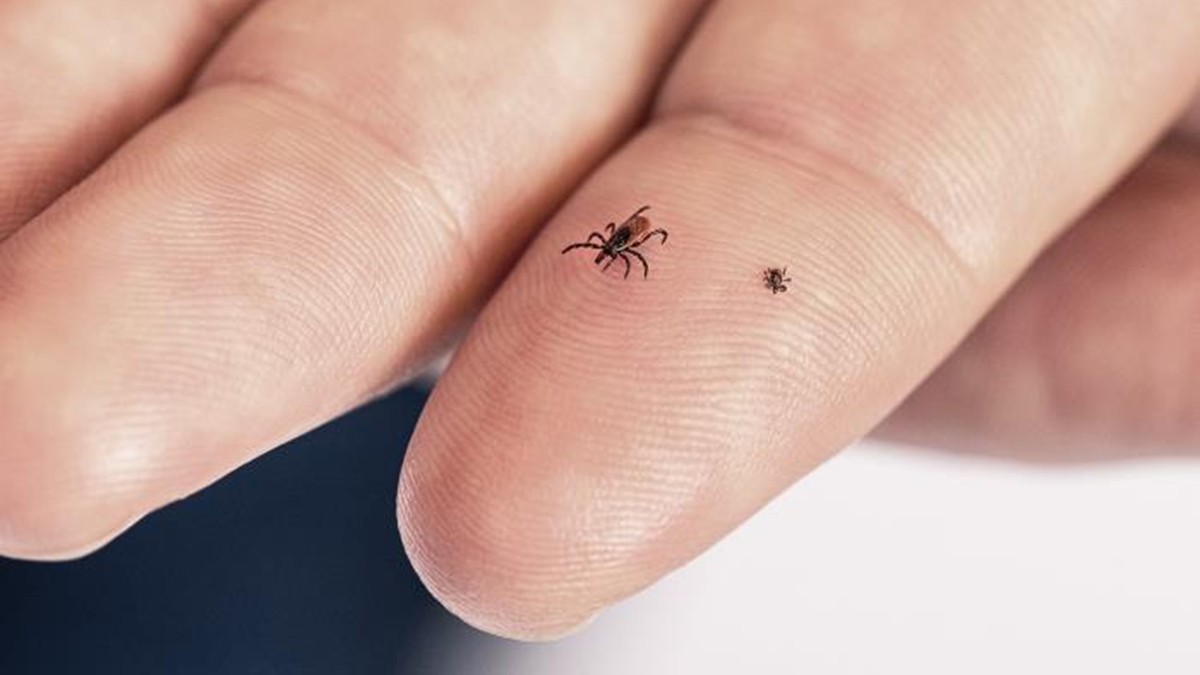
Ticks are not actually insects; they belong to the arachnid family, making them close cousins of spiders and mites. This structural difference provides your first major clue for identification:
Because bed bugs are also flat, brown, and found in sleeping quarters, they are frequently confused with outdoor pests. However, a closer look reveals several key distinctions:
Understanding how a tick ends up on your bedding is crucial for preventing a recurrence. These creatures do not actively seek out human houses to build nests or establish thriving indoor colonies. Instead, they find their way inside by taking advantage of everyday habits and close physical contact with the great outdoors.
Our four-legged companions are by far the most common vector for bringing outdoor pests indoors. Dogs and outdoor-loving cats naturally explore low brush, tall weeds, and dense leaf litter where wild pests love to wait. Because these creatures are incredibly small and adept at burying themselves deep within thick animal fur, they can easily ride undetected through your back door, eventually transferring onto the rugs, carpets, couches, and beds where your pets love to cuddle.
You don’t need a pet to accidentally invite these hitchhikers inside. Anyone who enjoys gardening, hiking, camping, or simply relaxing in a suburban backyard can easily brush against a branch or a tall blade of grass where a pest is waiting. The creature will instantly grip onto denim jeans, cotton socks, fleece jackets, or canvas backpacks. Once you bring that gear inside and place it on your bed or drop your clothes into a bedroom laundry basket, the hitchhiker simply detaches and begins exploring its new textile surroundings.

If you are currently staring at an unwelcome bug on your bedding, do not let panic dictate your actions. Follow this simple, highly effective immediate response checklist to contain the situation safely.
Do not attempt to swat or crush the creature directly against your light-colored bedding, as this can leave stubborn stains or spread organic debris on your sheets. Instead, use a clear piece of adhesive tape to securely trap the bug, or use a pair of fine-tipped tweezers to gently pick it up and place it inside a clear, sealable plastic bag or a small glass jar filled with rubbing alcohol. Keeping the physical specimen intact is incredibly helpful if you ever need to show it to a local home care professional or a wellness expert for verification.
Once the immediate threat is contained, gather your family members and conduct a thorough physical check. Pay close attention to warm, hidden areas where these tiny hitchhikers love to settle, including behind the ears, along the natural hairline, under the arms, inside the belly button, behind the knees, and around the waistline. If your pets have spent time outdoors recently, give their fur, paws, and underbelly a meticulous inspection as well.
Carefully roll your sheets, pillowcases, comforters, and mattress protectors inward to prevent any hidden hitchhikers from accidentally falling off onto your bedroom carpet. Place the entire bundle directly into a heavy-duty laundry bag or carry it straight to your washing machine without letting the fabrics drag along the floor.
The secret weapon in eliminating outdoor pests from your fabrics is not expensive chemical sprays—it is simple, controlled thermal energy. Most common domestic pests are highly sensitive to temperature extremes, making your standard laundry appliances incredibly effective tools for decontamination.
Load your stripped bedding, affected clothing, and nearby fabrics into the washing machine. Select the highest available water temperature setting that your specific fabrics can safely tolerate—ideally at or above 60°C (140°F). Let the machine run through a complete, heavy-duty cycle with your standard laundry detergent. The combination of hot water, soapy friction, and prolonged submersion works wonders at clearing away any hidden organic matter.
The real elimination happens inside your clothes dryer. Even if your clothes were washed thoroughly, passing them through a long, high-heat drying cycle is absolute key. Place the clean laundry into the dryer and run it on high heat for a minimum of 30 to 45 minutes. The intense, dry heat completely dehydrates and eliminates any surviving pests or microscopic remnants, ensuring your sheets return to your bed completely pristine and safe.
While your bedding is spinning away in the laundry room, turn your attention to the structural elements of your sleeping space. Cleaning the mattress and surrounding flooring ensures that any stray pests that may have dropped off the sheets are captured and removed permanently.
Equip your vacuum cleaner with a narrow crevice tool attachment. Begin systematically vacuuming your entire mattress, paying extreme attention to the heavy fabric seams, decorative tufts, piping edges, and the dark space between the mattress and the box spring or bed frame. Do not forget to vacuum the front, back, and sides of your headboard, especially if it features fabric upholstery or intricate woodwork.
Slowly move your vacuum across the entire bedroom floor, extending well underneath the bed, behind nightstands, and along the baseboard perimeters. If you have hardwood, laminate, or tile flooring, follow up your vacuuming session with a thorough mopping using warm water mixed with a gentle household floor cleaner.
Crucial Tip: As soon as you finish vacuuming, immediately take your vacuum cleaner outside to your outdoor trash bin. Empty the canister or remove the disposable bag directly into an exterior garbage bag, sealing it tightly. This prevents any captured pests from simply crawling back out of your vacuum and re-entering your living spaces.
For homeowners looking for an extra layer of ongoing protection without relying on harsh industrial chemicals around their sleeping spaces, several highly effective natural alternatives can help maintain a pest-free home environment.
Many small outdoor pests are highly repelled by specific natural aromatic compounds synthesized by plants. You can easily create a refreshing, all-natural household deterrent spray by mixing a few drops of pure essential oils with clean distilled water in a small spray bottle. The most effective pest-repelling scents include:
Lightly mist this solution around your bed frame, baseboards, and window sills to create an invisible, fragrant barrier that keeps pests at bay.
Food-grade diatomaceous earth is a completely non-toxic, all-natural mineral powder made from the fossilized remains of microscopic aquatic organisms called diatoms. To humans and domestic pets, it feels like a soft, harmless chalky powder. However, at a microscopic level, its particles are incredibly sharp and highly absorbent.
You can lightly dust a thin layer of food-grade diatomaceous earth along the base of your bed legs, inside dark closet corners, and along exterior doorways. When a crawling pest comes into contact with the powder, it safely absorbs the waxy outer coating of the insect’s exoskeleton, causing it to dehydrate naturally without the use of synthetic chemicals.
Since our beloved domestic animals are the ultimate bridges between outdoor environments and indoor spaces, managing their outdoor adventures is a fundamental pillar of long-term home protection.
| Prevention Step | Frequency | Key Focus Areas |
| Physical Fur Inspection | Daily (After walks) | Paws, between toes, underbellies, ears, and neck folds. |
| Grooming & Brushing | Weekly | Using a fine-toothed comb to catch hidden debris early. |
| Bedding Wash | Bi-weekly | Laundering pet mats in high heat alongside human linens. |
Make it a comforting daily habit to check your pet every single time they return from a walk in the park or a run around the yard. Keep a dedicated pet brush near your front door, and gently run it through their coat against the natural direction of the fur. This simple two-minute routine allows you to easily spot and remove any loose hitchhikers before your pet ever has a chance to jump onto your living room sofa or slip into your bed.
The most robust defense for your domestic pets is the consistent use of modern, vet-approved wellness measures. Speak openly with your trusted local veterinarian about the most appropriate options for your animal’s size, breed, and lifestyle. Utilizing regular preventative applications ensures that even if a stray pest manages to latch onto your pet during an outdoor run, it will be quickly neutralized before it can ever hitch a ride into your home or transfer onto your family’s personal bedding.
Defending your bedroom sanctuary from outdoor pests actually begins well beyond your home’s exterior walls. By actively managing your immediate outdoor landscape, you can create a highly effective buffer zone that naturally discourages pests from accumulating near your living spaces.
Ticks and similar wild pests are highly susceptible to dehydration and absolutely detest direct sunlight and dry conditions. They rely heavily on tall grass, overgrown weeds, and piles of damp autumn leaves to survive and stay hydrated while waiting for a passing host.
Keep your lawn mowed regularly, ensuring the grass remains short and neat. Trim away low-hanging tree branches and thick ornamental shrubs that cast dense, perpetual shadows across your lawn. By maximizing the amount of direct sunlight hitting your soil, you naturally transform your yard into an environment that pests will naturally avoid.
If your property borders a wild green space, a dense forest, or a natural field, consider installing a physical landscaping barrier along the perimeter. Clearing a simple, three-foot-wide border filled with dry wood chips, decorative gravel, or crushed stone acts as a natural moat.
These dry, rocky surfaces absorb heat rapidly from the sun and lack the moisture and vegetation that crawling pests need to travel comfortably. This simple addition makes it incredibly difficult for pests to migrate from the wild wilderness directly into your pristine backyard spaces.
Finding a bug in your personal living space can take an undeniable emotional and psychological toll. It is completely normal to experience a few days of heightened alertness, where every tiny piece of lint or stray thread on your sheets catches your eye and causes a brief moment of worry.
Remind yourself that finding a stray pest is absolutely not a reflection of your personal hygiene, the cleanliness of your family, or the structural integrity of your home. These tiny creatures have spent millions of years evolving highly specialized techniques to hitchhike onto larger organisms, and occasionally, they simply succeed in slipping past our notice.
By arming yourself with the practical knowledge outlined in this guide, you are changing the dynamic completely. You are no longer reacting out of fear; you are responding with clear, calculated efficiency. With a clean mattress, high-heat washed linens, and a protective perimeter established around your property, you can rest easy knowing your sanctuary is secure. Sleep deeply, stay comfortable, and know that you are fully capable of keeping your home safe, peaceful, and entirely your own.
Many travelers tie a colorful ribbon, scarf, or piece of fabric to their luggage so it stands out on the…

After carefully reviewing the couple’s daily habits, doctors identified an unexpected culprit: a refrigerator packed with old food that was…
Small, fuzzy insects that suddenly appear in bathrooms often cause concern. Many people assume they are dangerous or a sign…

Many social media posts claim that lines appearing on your nails after the age of 40 are a definite sign…

Kidney disease is often called a “silent condition” because symptoms may not become noticeable until significant damage has already occurred.…

The entire point of the invitation? They wanted me broken! For forty minutes, I stood in the shower, letting the…