The Complete Guide to Eating Bananas Before Bed: Facts, Benefits, and Science
Late-night cravings are a universal experience. When the clock strikes midnight and your stomach starts to rumble, finding the right snack can be a delicate balancing act. You want something satisfying enough to curb the hunger, but not so heavy that it disrupts your rest. Enter the humble banana.
Recently, social media feeds have been flooded with images and claims about the effects of consuming this popular yellow fruit right before going to sleep. But what is the actual science behind this nighttime habit? Does it truly promote deeper slumber, or are you just adding unnecessary sugars to your late-night routine?
This comprehensive guide explores the nutritional profile of bananas, how their specific compounds interact with your body’s sleep mechanics, the difference between green and spotted varieties, and the best ways to incorporate them into your evening routine for optimal wellness.

1. The Nutritional Powerhouse: What Is in a Banana?
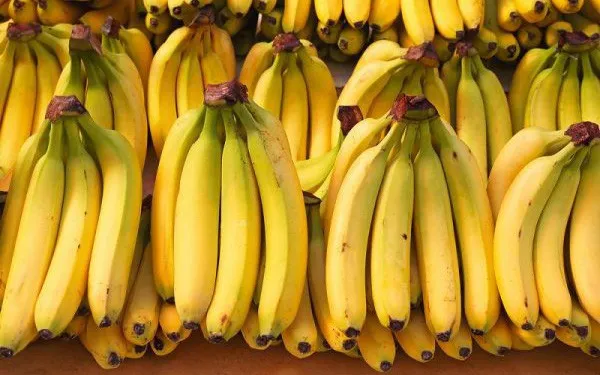
Before understanding how bananas affect our nighttime routines, we must look closely at their nutritional composition. Bananas are celebrated globally for their convenience and taste, but their internal chemistry is what makes them truly fascinating.
A medium-sized banana typically contains:
-
Calories: ~105
-
Carbohydrates: 27 grams
-
Fiber: 3 grams
-
Sugars: 14 grams
-
Protein: 1.3 grams
-
Fat: 0.3 grams
Essential Vitamins and Minerals
Beyond the basic macronutrients, bananas are packed with specific micronutrients that play crucial roles in human physiology:
-
Potassium: Approximately 422 milligrams (about 9% of the daily recommended value).
-
Magnesium: Roughly 32 milligrams (about 8% of the daily recommended value).
-
Vitamin B6: Essential for brain health and neurotransmitter synthesis.
-
Vitamin C: An antioxidant that supports overall cellular health.
These numbers are not just empty statistics; they form the foundation of why this fruit is frequently recommended by nutritionists as a functional food. The specific combination of carbohydrates, potassium, and magnesium makes it a unique candidate for an evening snack.
2. The Science of Sleep: How Bananas Promote Rest
The relationship between what we eat and how we rest is complex, governed by a delicate dance of hormones and neurotransmitters. Bananas happen to contain a “sleep-promoting trio” of nutrients that work synergistically to help the body wind down.
Tryptophan: The Precursor to Peace
Bananas contain an essential amino acid called tryptophan. You might recognize tryptophan from the famous “food coma” associated with large turkey dinners. However, your body uses tryptophan for a much more sophisticated process: it is the fundamental building block for serotonin.
Serotonin is a neurotransmitter that promotes feelings of well-being and relaxation. Once the body has produced serotonin, it goes a step further and converts it into melatonin. Melatonin is widely known as the “sleep hormone,” responsible for regulating your circadian rhythm and signaling to your body that it is time to shut down for the night.
Carbohydrates: The Delivery System
You might wonder, “If turkey has more tryptophan, why eat a banana?” The secret lies in the carbohydrates.
When you consume carbohydrates, your pancreas releases insulin to manage the resulting blood sugar. This insulin spike clears most amino acids from your bloodstream, driving them into your muscles. However, insulin does not clear tryptophan. With the competing amino acids out of the way, tryptophan has a clear path to cross the blood-brain barrier. Therefore, the natural carbohydrates in a banana actually act as a delivery mechanism, ensuring the tryptophan reaches your brain efficiently to begin the serotonin-melatonin conversion process.
Vitamin B6: The Catalyst
The conversion of tryptophan to serotonin and eventually to melatonin does not happen by magic; it requires a catalyst. Vitamin B6 is essential for this synthesis. A deficiency in Vitamin B6 can lead to disrupted sleep patterns and even insomnia. By providing a healthy dose of Vitamin B6 alongside tryptophan and carbohydrates, a banana provides both the raw materials and the necessary tools to build a better night’s rest.
3. Muscle Relaxation: The Role of Potassium and Magnesium
A restless body leads to a restless mind. Many people struggle to fall asleep because their muscles are tense from the day’s stress, or they suffer from nocturnal muscle cramps (often called “charley horses”). This is where the mineral content of the banana takes center stage.
Magnesium: The Relaxation Mineral
Magnesium is often referred to as nature’s tranquilizer. It plays a critical role in over 300 enzymatic reactions in the human body, many of which are related to muscle and nerve function.
Crucially for sleep, magnesium helps activate the parasympathetic nervous system—the system responsible for getting your body calm and relaxed. It regulates neurotransmitters, which send signals throughout the nervous system and brain, and it regulates the hormone melatonin. Furthermore, magnesium binds to gamma-aminobutyric acid (GABA) receptors. GABA is an inhibitory neurotransmitter that quells nerve activity, helping to quiet your nervous system and prepare you for sleep.
Potassium: Preventing the Midnight Cramp
Potassium is an electrolyte that works hand-in-hand with sodium to regulate fluid balance and muscle contractions. Low potassium levels can lead to muscle spasms and cramps, which frequently occur in the legs during the middle of the night, violently waking you from a deep sleep phase. Eating a banana helps replenish your potassium stores, ensuring that your muscles can fully relax and remain relaxed throughout the night.
4. The Ripeness Factor: Spotted vs. Green Bananas
When deciding to have a banana before bed, you might look at the fruit bowl and wonder which one to choose. The ripeness of a banana significantly alters its nutritional profile, particularly its carbohydrate structure.
Fully Ripe and Spotted Bananas
As a banana ripens, its starches break down into simple sugars (sucrose, fructose, and glucose). A banana with brown spots is much sweeter and easier to digest.
-
Pros for nighttime: The simple sugars are rapidly digested, causing a quicker release of insulin, which can fast-track the tryptophan to your brain. They are also very gentle on the stomach.
-
Cons for nighttime: A rapid spike in blood sugar can sometimes lead to a subsequent crash a few hours later. In some individuals, this blood sugar fluctuation can cause them to wake up in the middle of the night feeling hungry or restless.
Green or Slightly Yellow Bananas
Less ripe bananas contain a high amount of resistant starch and pectin. Resistant starch acts like soluble fiber; it escapes digestion in the small intestine and ferments in the large intestine.
-
Pros for nighttime: They provide a slow, steady release of energy, which helps keep blood sugar levels stable throughout the night. This stability can prevent midnight wakefulness. They also feed the good bacteria in your gut.
-
Cons for nighttime: Because they are harder to digest, eating a very green banana right before lying down might cause bloating or mild digestive discomfort in sensitive individuals.
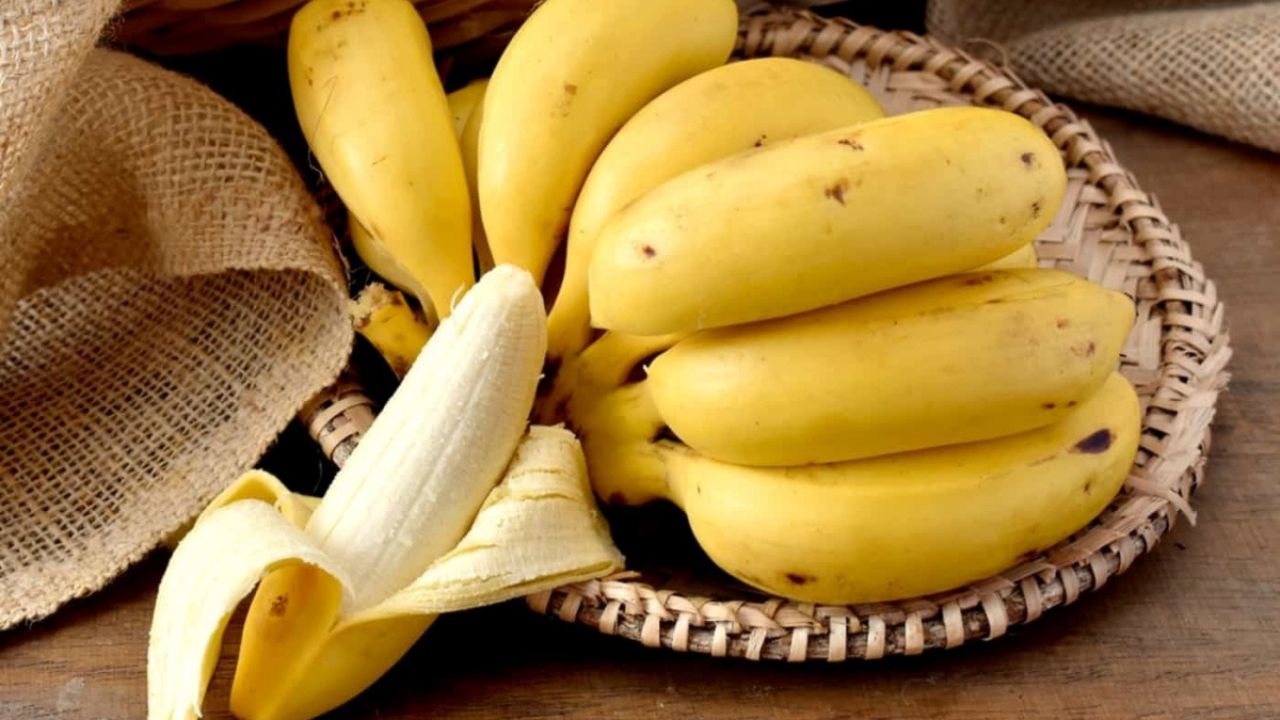
The Verdict for Sleep: A perfectly yellow banana with just a few small spots is usually the optimal middle ground. It provides enough simple carbohydrates to aid tryptophan absorption without causing a massive sugar spike, while remaining easy to digest.
5. Potential Drawbacks and Who Should Avoid Them
While bananas are generally a fantastic, healthy food, eating them right before sleep isn’t a perfect strategy for absolutely everyone. Understanding your own body’s unique responses is key.
Dental Health Concerns
Bananas are sticky and contain natural sugars. Eating one and immediately going to sleep without brushing your teeth is a recipe for dental issues. The sugars provide food for the bacteria in your mouth, which produce acids that erode tooth enamel. Always ensure you perform your oral hygiene routine after your nighttime snack.
Blood Sugar Sensitivities
For individuals managing blood sugar concerns, consuming a carbohydrate-dense snack right before bed needs to be approached with care. While the glycemic index of a banana is low to medium, eating a large, very ripe banana can still elevate blood sugar levels. It is highly recommended to pair the fruit with a source of healthy fat or protein to blunt the glycemic response (more on this in the next section).
Acid Reflux and GERD
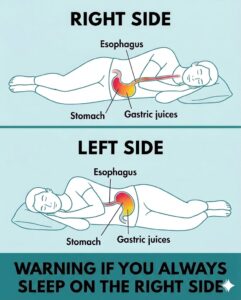
Although bananas are generally considered soothing for the stomach and are often recommended for people with ulcers, eating any food too close to bedtime can trigger acid reflux or Gastroesophageal Reflux Disease (GERD). When you lie down, gravity no longer helps keep stomach acid down. If you are prone to heartburn, it is best to consume your evening snack at least 90 minutes to two hours before lying down.
6. How to Optimize Your Nighttime Banana Snack
To maximize the sleep-promoting benefits of a banana while minimizing any potential drawbacks like blood sugar spikes, the secret lies in food pairing. Combining the carbohydrates of the banana with a source of protein and healthy fats creates a balanced snack that sustains you through the night.
Excellent Pairings for Sleep
1. Banana and Almond Butter Almonds are another excellent source of magnesium and melatonin. The healthy fats and protein in the almond butter slow down the digestion of the banana’s sugars, resulting in a gentle, sustained energy release.
2. Banana and Walnuts Walnuts contain their own natural source of tryptophan and melatonin. Chopping a few walnuts over a sliced banana provides a satisfying crunch and a double dose of sleep-promoting compounds.
3. Banana and Greek Yogurt A small portion of plain Greek yogurt provides calcium, which helps the brain use the tryptophan found in the banana to manufacture melatonin. The protein in the yogurt also promotes muscle repair while you rest.
4. Banana Tea If you want the benefits of the magnesium and potassium without the bulk or the sugar, banana tea is an excellent alternative.
-
How to make it: Wash a whole, organic banana thoroughly. Cut off the ends and slice it into pieces (keeping the peel on, as the peel contains high levels of magnesium). Boil the pieces in a pot of water for about 10 minutes. Strain the liquid into a mug, add a dash of cinnamon (which also helps regulate blood sugar), and drink it 30 minutes before bed.
7. Digestion and Late-Night Snacking: A Broader Perspective
The conversation about bananas before bed opens up a larger dialogue about the nature of nighttime eating. For decades, a pervasive myth suggested that eating anything after 8:00 PM would automatically lead to weight gain. Modern nutritional science has a more nuanced view.
The Myth of the Midnight Metabolism
Your digestive system does not simply turn off when the sun goes down. Your basal metabolic rate (BMR)—the energy you burn just staying alive—remains relatively consistent whether you are awake or asleep. Weight management is primarily determined by your total daily caloric intake versus your total daily energy expenditure. A 100-calorie banana eaten at 10:00 PM contains the exact same amount of energy as a 100-calorie banana eaten at 10:00 AM.
Why Nighttime Snacking Gets a Bad Reputation
The negative association with late-night eating usually stems from what people choose to eat. Nighttime cravings rarely lead people to crave broccoli; they usually reach for highly processed, hyper-palatable foods like chips, cookies, or ice cream. These foods are calorie-dense, nutrient-poor, and highly disruptive to sleep architecture. Replacing these processed choices with a whole food like a banana is a massive step forward for both your waistline and your sleep hygiene.
The Importance of Routine
Consistency is critical for circadian rhythms. If you find that a small banana with peanut butter helps you sleep better, making it a consistent part of your wind-down routine can act as a psychological cue. Your brain will begin to associate that specific snack with the transition from wakefulness to sleep, making it easier to drift off over time.