The Fascinating Truth Behind Venus Dimples: Anatomy, Genetics, and Fitness
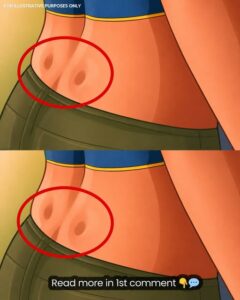
If you have ever scrolled through social media or looked closely at anatomical illustrations, you might have noticed distinct, small indentations on the lower back of some individuals. As seen in the viral illustration , these features often spark curiosity and debate. What exactly are they? Why do some people have them while others do not?
These unique anatomical features are commonly referred to as “Venus dimples.” In this comprehensive guide, we will explore the biological, genetic, and structural factors that create these fascinating lower-back indentations. We will dive deep into human anatomy, debunk common fitness myths, and explain why these small physical traits have captured human attention for centuries.
What Are Venus Dimples?
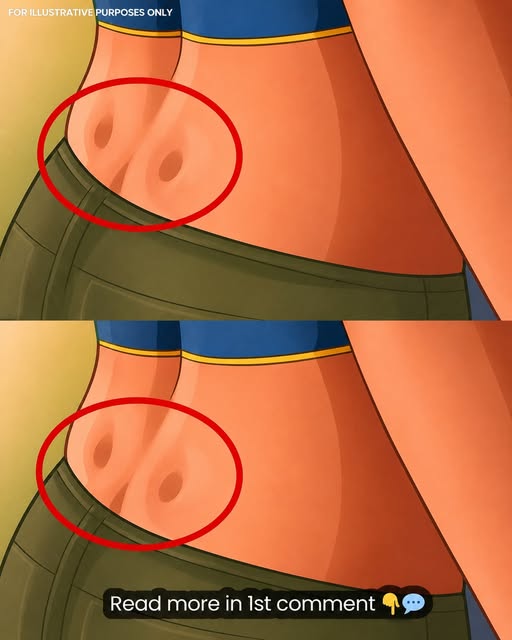
Venus dimples are naturally occurring indentations located on the human lower back, just above the gluteal cleft. Medically, they are known as fossae lumbales laterales (lateral lumbar indentations). They are created by a short ligament stretching between the posterior superior iliac spine (the edge of the pelvic bone) and the skin.
Quick Anatomy Facts
| Feature |
Description |
| Common Name |
Venus Dimples (females), Apollo Dimples (males) |
| Medical Name |
Fossae Lumbales Laterales |
| Location |
Sacroiliac joint, lower back |
| Primary Cause |
Genetics and bone structure |
| Tissue Type |
Ligament connecting bone to skin |
When this ligament is relatively short, it pulls the skin inward toward the bone, creating a visible depression or “dimple.” Because there is no muscle in this specific area, the dimple is entirely the result of bone structure and connective tissue, making it a unique structural trait rather than a muscular one.
The Genetics Behind Lower-Back Indentations
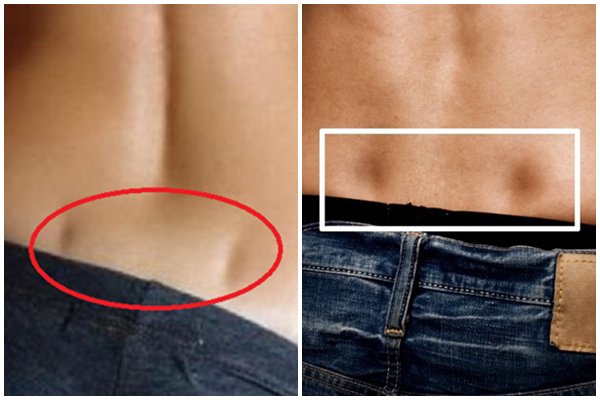
One of the most frequently asked questions regarding the features shown in is whether they can be acquired or if they are inherited. The short answer is that Venus dimples are predominantly genetic.
Inherited Traits
Just like facial dimples, cleft chins, or the shape of your earlobes, the presence of Venus dimples is determined by your DNA.
-
Connective Tissue Variations: Your genes dictate the length and tension of the ligaments in your body. Individuals with a specific genetic blueprint develop the short ligaments required to form these indentations.
-
Bone Structure: The width and shape of the pelvis, which is also genetically determined, play a crucial role in how prominent these features appear.
-
Generational Links: If your parents or grandparents have prominent lower-back indentations, there is a higher probability that you will have them as well.
Dominant or Recessive?
While extensive genetic mapping specifically for sacral dimples is ongoing, many geneticists consider physical traits involving short ligaments (like facial dimples) to often act as irregular dominant traits. However, the expression of this trait can be influenced by other physical factors, such as body composition.
Body Composition and Visibility
Even if you possess the genetic predisposition for Venus dimples, their visibility is highly dependent on your overall body composition. This is where fitness and lifestyle come into play.
The Role of Body Fat Percentage
Because the indentations are located just beneath the skin, the layer of subcutaneous fat in the lower back heavily influences whether the dimples are visible.
-
Lower Body Fat: Individuals with a lower body fat percentage generally display more prominent Venus dimples, as there is less adipose tissue padding the space between the skin and the bone.
-
Higher Body Fat: If an individual has a higher body fat percentage, the fat layer can fill in the space created by the short ligament, effectively hiding the indentations.
Muscle Mass and Tone
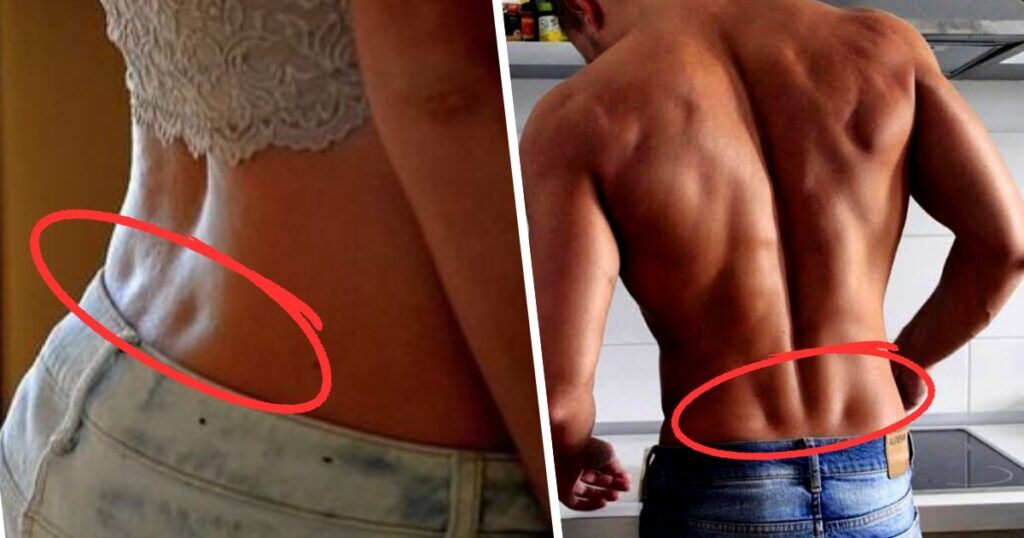
While there is no muscle directly beneath the dimple itself, the surrounding musculature impacts the landscape of the lower back. Developing the erector spinae muscles (the muscles running along the spine) and the gluteal muscles can create a deeper valley in the lower back, which can indirectly make existing Venus dimples look more pronounced by increasing the contrast of the surrounding tissues.
Debunking Common Fitness Myths
The internet is filled with workouts claiming to “create” or “build” Venus dimples. Let us address these claims with anatomical facts.
Myth 1: You can build Venus dimples with targeted exercises.
Fact: You cannot grow a ligament or change your bone structure through exercise. If you do not have the genetic trait (the short ligament connecting the skin to the pelvis), no amount of lower back extensions or deadlifts will create these specific indentations.
Myth 2: Venus dimples are a sign of superior physical health.
Fact: While visible dimples often correlate with a lower body fat percentage—which can be associated with an active lifestyle—the dimples themselves are not an indicator of cardiovascular health, strength, or metabolic function. They are simply an aesthetic structural variation.
What Exercise Can Do
If you have the genetics for these indentations but they are not currently visible, a balanced fitness routine can help reveal them:
-
Overall Fat Reduction: Engaging in a caloric deficit and regular cardiovascular activity can reduce subcutaneous fat globally, potentially revealing the dimples.
-
Core Strengthening: Strengthening the lower back and core improves posture, which changes the angle of the pelvis and can make natural back contours more visible.
Historical and Cultural Significance
The name “Venus dimples” is not a modern invention. It is deeply rooted in art history and classical antiquity.
The Connection to Venus
Venus is the Roman goddess of love, beauty, and fertility. During the Renaissance, artists and sculptors frequently depicted the female form with these lower-back indentations as a hallmark of classical beauty and proportion. The naming convention reflects a historical appreciation for the natural curves and contours of the human body.
Apollo Dimples: The Male Equivalent
It is a common misconception that only women possess these indentations. Men can also inherit this genetic trait. When these indentations appear on a male, they are occasionally referred to as “Apollo dimples,” named after the Roman and Greek god of archery, music, and physical perfection. However, because men and women have different fat distribution patterns (men typically store more fat in the abdominal and lower back regions compared to women), the indentations are often less frequently noticed in men unless they maintain a very lean physique.