
The Smells Rats Hate Most: Natural Ways To Keep Rats Away Without Killing Them
Rats are among the most unwanted pests in many homes because they not only damage furniture, food, and electrical wires,…
02/06/2026 09:58
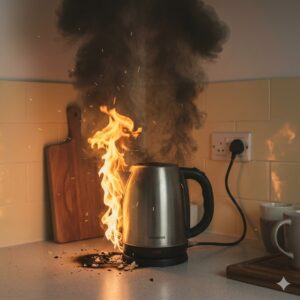
Electric kettles have become one of the most commonly used appliances in modern kitchens because they are fast, convenient, and easy to use. Many families use them several times a day without thinking much about safety. However, appliance technicians and electrical safety experts are warning that a very common habit may quietly increase the risk of kettle damage, electrical problems, and even fire hazards inside the home.
According to experts, one of the biggest mistakes people make is repeatedly boiling old water without emptying and cleaning the kettle properly. Over time, minerals in the water begin forming thick layers of limescale inside the kettle, especially in areas where hard water is common. This buildup can reduce heating efficiency, make the appliance consume more electricity, and slowly damage the heating element.
Another problem many households ignore is overfilling the kettle above the recommended water line. When water boils, excess liquid may spill near electrical components or around the lid, increasing the possibility of short circuits or overheating. Technicians say this is one of the reasons some kettles suddenly stop working or develop burning smells after long-term use.
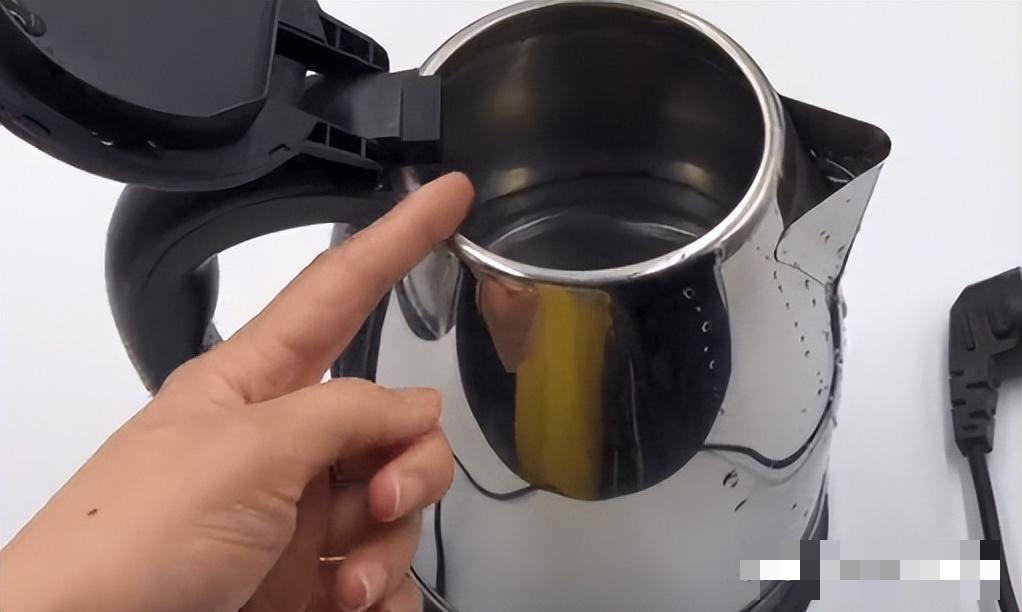
Experts also warn against turning on a kettle with very little water inside. Without enough water to absorb the heat, the heating plate may become dangerously hot within minutes, damaging internal parts much faster than most people realize.
In addition, many people leave electric kettles plugged in continuously even when not using them. While this may seem harmless, electricians say older outlets, damaged power cords, or low-quality appliances can increase the risk of electrical leakage and overheating over time.
Placement is another issue often overlooked in many kitchens. Safety specialists say kettles should not be placed too close to walls, curtains, wooden cabinets, or flammable materials. Steam and heat released during boiling can gradually damage nearby surfaces, and in rare situations, electrical malfunctions may even trigger small kitchen fires.
Experts recommend cleaning electric kettles regularly, emptying leftover water daily, unplugging the appliance when not in use, and replacing kettles immediately if the cord, plug, or heating system shows signs of damage.
Although electric kettles appear simple and safe, professionals say repeated small mistakes inside the kitchen can sometimes create serious risks that many families never notice until something goes wrong.
Rats are among the most unwanted pests in many homes because they not only damage furniture, food, and electrical wires,…

Drivers in Oregon were left horrified after a truck carrying more than three tons of live eels overturned on a…

Many people become alarmed after cutting open a boiled egg and noticing a strange green or gray ring surrounding the…
My uncle raised me after my parents died. After his funeral, I got a letter in his handwriting that started…
A shocking medical incident in Wuhan, China has sparked outrage after a man was accidentally left inside an MRI room…
Boy Vomited Worms Continuously For 3 Days — Doctors Discovered A Terrifying Condition Inside His Intestines 😨 An 8-year-old boy…