The Aromatic Medicinal Plant Many Families Are Quietly Growing At Home — Easy To Care For And Surprisingly Useful
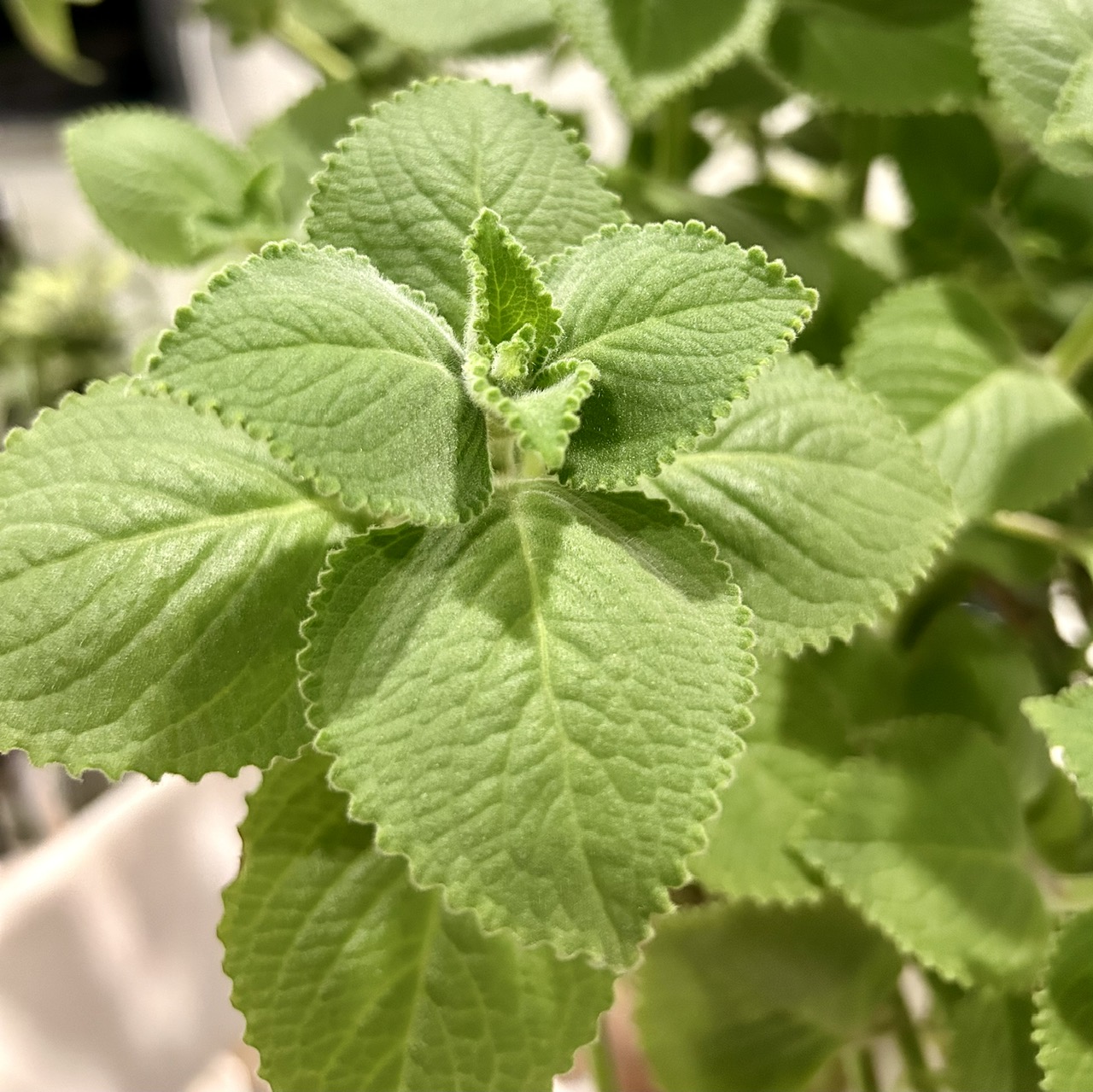
The plant shown in the image is widely known in different countries as:
Cuban oregano, Indian borage, Mexican mint, or Spanish thyme.
At first glance, it may look like an ordinary decorative herb. But for many families, this fragrant little plant has been used for generations in home remedies, cooking, and daily wellness routines.
What makes the plant especially recognizable are its:
- thick soft leaves,
- fuzzy texture,
- scalloped edges,
- and strong refreshing aroma released when touched.
Many people say just rubbing a leaf gently between the fingers immediately fills the air with a scent similar to mint mixed with oregano.

Why So Many People Like Growing It
One major reason this plant became popular is because:
it is extremely easy to grow.
Unlike many delicate herbs, Cuban oregano adapts well to:
- hot weather,
- balconies,
- small pots,
- window areas,
- and home gardens.
Because the leaves store water naturally, the plant does not require constant watering and can survive even with minimal care.
Many homeowners grow it simply because:
- it smells pleasant,
- keeps insects away naturally in some cases,
- and makes the home feel fresher and greener.

Traditional Uses Passed Down For Years
In many traditional households, the leaves are often used in simple home remedies.
People commonly boil the leaves into herbal drinks or teas believed to help:
- soothe sore throats,
- ease coughing,
- clear nasal congestion,
- support digestion,
- and warm the body.
Some families slightly heat or crush the leaves before inhaling the aroma because they believe the strong herbal scent may help people feel more comfortable during colds.
Others mix the leaves into warm water or soups during rainy or cold seasons.
While many people continue using the plant traditionally, experts still remind that:
herbal remedies should support wellness, not replace professional medical treatment.
Popular In Cooking Too
Besides traditional medicine, Cuban oregano is also valued as a culinary herb.
The leaves are sometimes added to:
- grilled meat,
- seafood,
- soups,
- stews,
- sauces,
- and herbal drinks
because of their rich, slightly spicy aroma.
Unlike regular oregano, the leaves are thicker and juicier, giving dishes a stronger herbal fragrance.
In some countries, people even fry the leaves lightly or use them in marinades for meat and fish.
Why The Plant Smells So Strong
Experts say the plant contains natural aromatic oils and antioxidant compounds that give it its distinctive smell.
That strong fragrance is one reason many people believe the plant helps:
- freshen the air,
- create relaxation,
- and repel certain insects naturally.
The pleasant scent also explains why the plant is commonly kept near:
- kitchens,
- windows,
- balconies,
- and entrances.
Simple Tips For Growing It
People who grow Cuban oregano say it thrives best when:
- placed somewhere with sunlight,
- watered moderately,
- and planted in soil with good drainage.
Too much water may cause the roots to rot, while warm sunlight helps the leaves become thicker and more fragrant.
The plant also grows quickly from cuttings, which means a small branch can often become an entirely new plant within weeks.
A Small Plant With Surprisingly Many Uses
Although it looks simple, many people love Cuban oregano because it combines:
- beauty,
- fragrance,
- traditional herbal value,
- cooking uses,
- and easy maintenance
all in one small plant.
That’s why this humble herb continues appearing in more and more homes around the world — not just as decoration, but as a plant many families genuinely use every day.