
Key Tips for Traveling Safely and with Good Planning in 2026
The system flags discrepancies between your passport, boarding pass, and visa. Common issues: Middle name missing on the ticket but…
29/05/2026 03:07
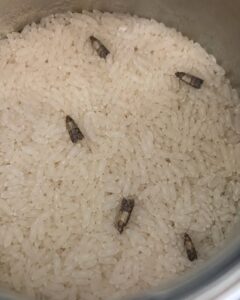
Discovering tiny winged creatures or crawling larvae when you open a fresh bag of rice or grain is an experience that triggers immediate frustration and concern. For many homeowners, the kitchen pantry is a culinary sanctuary, making the sudden appearance of flying insects feel like a major breach of domestic hygiene. The immediate questions that arise are universal: What are these insects? Are they dangerous? How did they manage to breach a sealed commercial package? Most importantly, how can they be completely eliminated from the household?
The insects most commonly found in stored grains are Indian meal moths (Plodia interpunctella) or various species of grain beetles and weevils. While their presence is disheartening, understanding their biology, lifecycles, and behavior is the first and most crucial step toward regaining control of your kitchen. This comprehensive guide provides an exhaustive analysis of kitchen grain pests, detailing their origins, identifying their signs, and offering a robust, step-by-step eradication strategy designed to keep your dry goods pristine and secure over the long term.
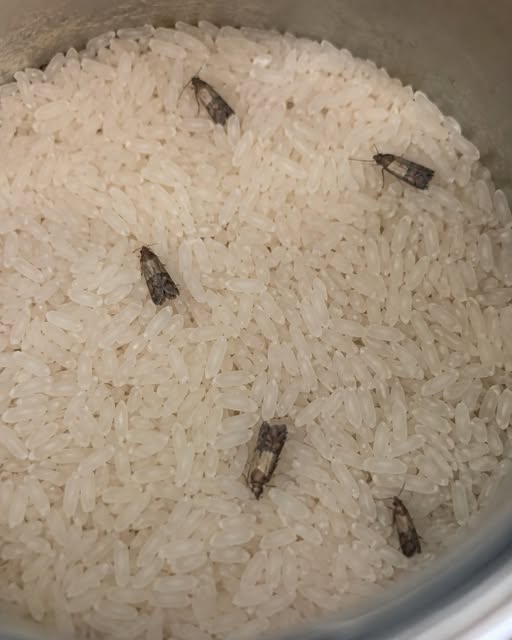
The most frequent culprit behind flying pests in dry food storage is the Indian meal moth. Adult moths are relatively small, measuring approximately 8 to 10 millimeters in length with a wingspan of 16 to 20 millimeters. They possess a highly distinct wing coloration pattern: the outer two-thirds of their wings are a reddish-brown or copper color with a dark luster, while the inner third closest to the body is a lighter, yellowish-gray or silver tone. When resting on a flat surface, they fold their wings closely along their bodies, presenting an elongated, narrow silhouette.
It is crucial to note that the adult moths themselves do not consume your food. Their mouthparts are vestigial or entirely non-functional, meaning their sole purpose during their brief adult lifespan of one to two weeks is reproduction. The actual damage to your food stores is caused entirely by their larval stage—tiny, caterpillar-like grubs that possess voracious appetites for starches and grains.
If the insects in your grain do not fly or lack wings entirely, you may be dealing with grain weevils (such as the rice weevil, Sitophilus oryzae) or flour beetles. Rice weevils are small, reddish-brown to black beetles characterized by a distinctive elongated snout or rostrum. Unlike moths, adult weevils feed directly on grains by boring tiny holes into individual kernels to consume the starchy interior and deposit their eggs. Recognizing whether you are dealing with a moth infestation or a beetle infestation helps determine the precise scope of your cleaning efforts, though the fundamental sanitation protocols remain remarkably similar.
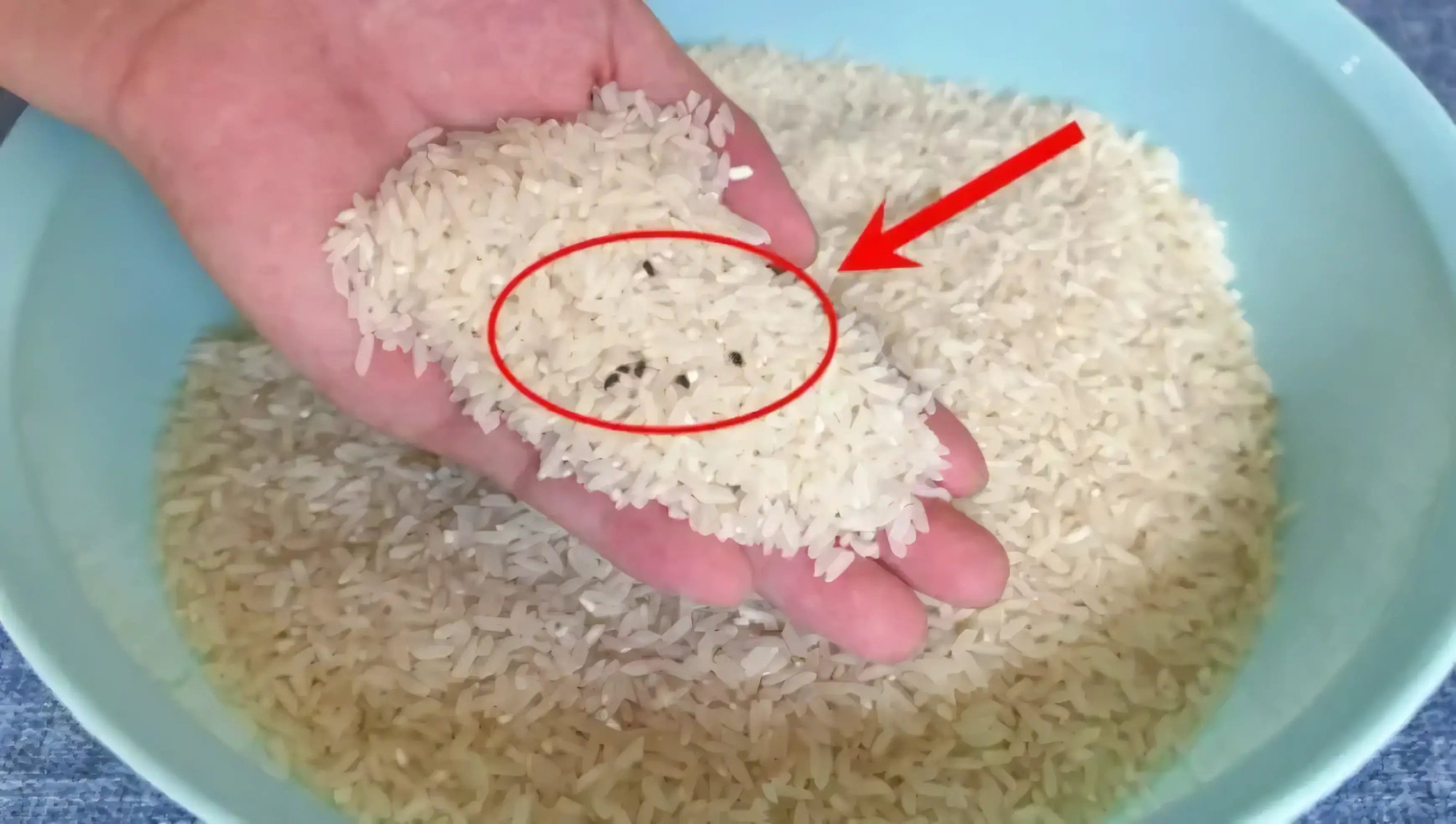
A common source of confusion for consumers is discovering live insects inside a brand-new, factory-sealed plastic or paper bag of rice. It seems logical to assume that a sealed container would be impervious to outside elements, leading many to wonder if the pests managed to chew their way in after purchase, or if they were already present during manufacturing.
In the vast majority of cases involving tightly sealed packaging, the infestation begins long before the product arrives on grocery store shelves. Grain crops are grown outdoors, where they are naturally exposed to a myriad of environmental elements. During harvesting, processing, and bulk storage in large silos, adult insects frequently lay microscopic eggs directly onto or inside the grain kernels.
Despite rigorous agricultural processing, industrial washing, and quality control measures implemented by food producers, a small number of these microscopic eggs can occasionally survive. When the grain is packaged and shipped to distribution centers, warehouses, and retail stores, these eggs remain dormant. If the environmental conditions—specifically temperature and humidity—become optimal, the eggs hatch into larvae, initiating the infestation cycle completely hidden from view inside the packaging.
Another common vector of entry occurs during transit or storage within warehouses and retail environments. Many standard commercial food packages are constructed from paper, cardboard, or thin single-layer plastics. The larvae of Indian meal moths possess incredibly strong, sharp chewing mouthparts capable of perforating paper, cardboard, and thin plastic films with ease. A tiny, nearly invisible pinhole is all a newborn larva needs to slide inside a package and begin feeding. Once inside, they mature, reproduce, and create a localized population that only becomes apparent to the consumer when the bag is finally opened at home.
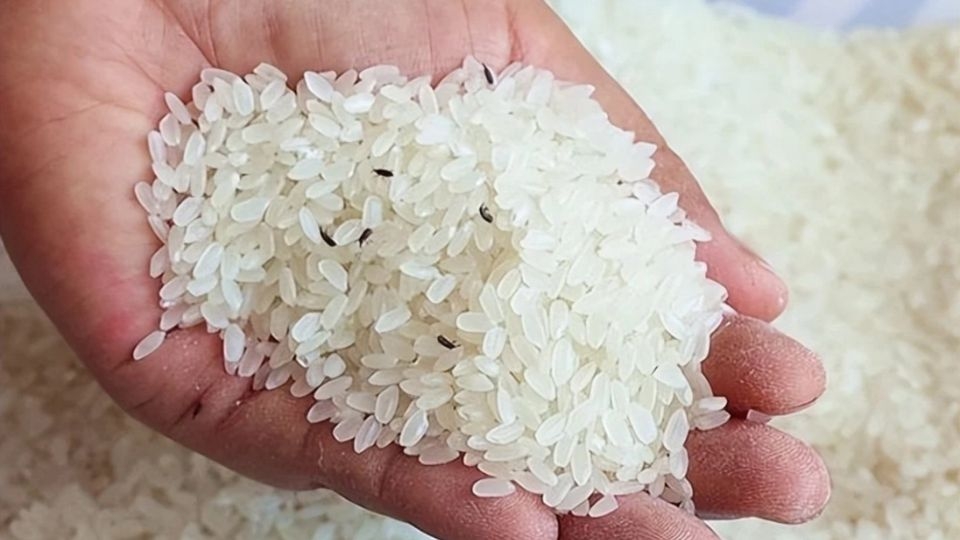
When encountering pests in food, the immediate survival instinct triggers anxiety regarding safety and health risks. It is essential to approach this from a scientific standpoint to understand what risks exist and what can be safely managed.
The reassuring consensus among public health officials and entomologists is that Indian meal moths, their larvae, and their eggs do not pose a direct threat to human health. They do not possess stingers, they do not bite, and they are not known vectors for infectious pathogens, bacteria, or dangerous parasites that affect humans. If someone accidentally consumes rice or flour containing undetected eggs or small larvae that have been thoroughly cooked, there is no medical risk or danger of disease transmission. The aversion we feel is psychological and hygienic rather than toxicological.
While not inherently dangerous to health, a pest presence severely degrades the quality, flavor, and structural integrity of food items. As larvae feed on grains, they secrete fluids and leave behind metabolic waste products, cast-off skins from molting, and dense layers of sticky, silk-like webbing. This webbing binds grain kernels together into unappealing clumps, traps moisture, and creates an environment highly susceptible to the growth of secondary molds, fungi, and unpleasant odors. Consequently, infested food quickly becomes unpalatable, sour, and completely unfit for culinary use.
If you have confirmed an active pest presence in your kitchen or pantry, resolving the issue requires a methodical, systematic approach. Simply discarding the single infested bag of rice is rarely sufficient, as larvae or eggs may have already migrated to adjacent items or concealed themselves in the architectural nooks of your cabinetry. Follow this comprehensive step-by-step protocol to completely purge your storage spaces.
Begin by removing the compromised food package immediately from your living space. Place the infested bag directly into a heavy-duty plastic trash bag, seal it tightly with a secure knot, and take it outdoors to your main waste collection bin. Do not leave the discarded item in an indoor kitchen trash can, as the insects can easily crawl out and re-infest the space within hours.
Empty your pantry or storage cabinets completely. Remove every single item, including sealed cans, spice jars, unopened boxes, and structural accessories. This total evacuation serves two purposes: it allows you to inspect every item individually and provides unobstructed access to the structural surfaces of the cabinet for deep cleaning.
Examine every removed item with extreme care. Pay close attention to the seams of cardboard boxes, the paper folds of flour bags, the undersides of jar lids, and the rims of cans. Look specifically for tiny holes, fine silk webbing that resembles spiderwebs, or small white larvae. Remember that larvae often migrate out of their food source when they are ready to pupate, seeking out dark cracks, cardboard flaps, or the threads of screw-top containers. If any other item shows even the slightest sign of contamination, discard it immediately using the containment method outlined in Step 1.
Utilize a vacuum cleaner equipped with a crevice tool attachment to thoroughly clean all interior surfaces of the pantry or cabinet. Run the attachment along every corner, shelf seam, wall-floor junction, and support peg hole. Pay extraordinary attention to the underside of shelves and the interior mechanisms of door hinges, as these are premier pupation sites where larvae spin their cocoons. Once vacuuming is complete, immediately remove the vacuum bag or empty the canister into an outdoor trash bin to prevent any captured insects from escaping back into your home.
Prepare a hot, soapy cleaning solution or a natural mixture composed of equal parts white vinegar and warm water. Add a few drops of an essential oil such as peppermint, eucalyptus, or tea tree oil if desired. Scrub every square inch of the cabinet shelves, walls, ceiling, and doors thoroughly. The vinegar solution effectively neutralizes residual odors, dissolves organic matter, and destroys any microscopic eggs stuck to structural surfaces. Avoid using harsh chemical insecticides or commercial bug sprays inside food storage areas, as these substances leave toxic residues that can easily contaminate your foodstuffs later.
Allow the cleaned pantry spaces to air dry completely for several hours. Introducing moisture back into an enclosed space can inadvertently encourage mold growth or create an inviting environment for any surviving pests. Once perfectly dry, you can begin returning your verified, pest-free items back to their designated positions.
Achieving eradication is an excellent short-term victory, but the ultimate goal is establishing a long-term preventative system that ensures pests can never establish a foothold in your kitchen again. Implementing a few deliberate storage habits will safeguard your dry goods indefinitely.
The single most effective defense against pantry pests is abandoning original paper, cardboard, and thin plastic packaging in favor of rigid, airtight storage containers. Invest in high-quality containers constructed from thick, BPA-free plastic, tempered glass, or stainless steel equipped with heavy-duty locking lids or silicone gaskets.
When you purchase new rice, flour, oats, or cereal, immediately transfer the contents into these airtight vessels. This practice provides two distinct layers of protection:
External Defense: If a moth manages to enter your kitchen from the outside, it will be physically unable to penetrate the rigid walls or breach the rubber seal of the container, keeping your food perfectly isolated.
Internal Containment: If the food item contained dormant eggs from the processing plant, any hatching larvae will be completely confined within that single airtight container. They will be unable to migrate outward to contaminate the rest of your pantry, allowing you to easily identify and discard the single compromised batch without a widespread breakout.
The system flags discrepancies between your passport, boarding pass, and visa. Common issues: Middle name missing on the ticket but…
Gout is rapidly affecting younger people due to unhealthy eating habits that prioritize taste over health — even children are…

Maintaining optimal health requires a conscious approach to daily nutrition. The choices made at the dinner table directly impact how…
1. Introduction: The Shocking Discovery of Rice Pests Discovering tiny winged creatures or crawling larvae when you open a fresh…
Many people are surprised to learn that one of the most effective tricks for removing fishy odor from fish isn’t…

The modern world of skincare is saturated with complex formulations, multi-step routines, and high-tech tools. Yet, a persistent subculture of…