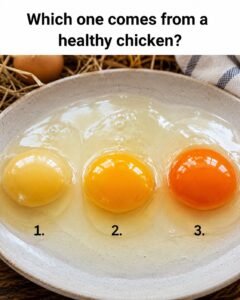
The Ultimate Guide to Egg Yolk Color: What It Really Means for Your Food
Have you ever cracked an egg into a skillet and paused? Perhaps you noticed a pale, buttery yellow center. The next day, you crack another from a different carton, and it reveals a vibrant, deep amber hue.
This visual contrast often sparks a common question among food enthusiasts and home cooks alike: Does egg yolk color indicate the quality of the food, the life of the animal, or the nutritional value of your breakfast?
Internet myths and viral social media posts often claim that one specific shade is the definitive marker of a superior product. However, the reality behind these shades is rooted in biology, animal science, and agricultural practices rather than simple labels.
This comprehensive guide breaks down the science of yolk coloration, debunks common misconceptions, and explores how different farming methods influence what you see on your plate.
Understanding the Spectrum: The Three Main Shades
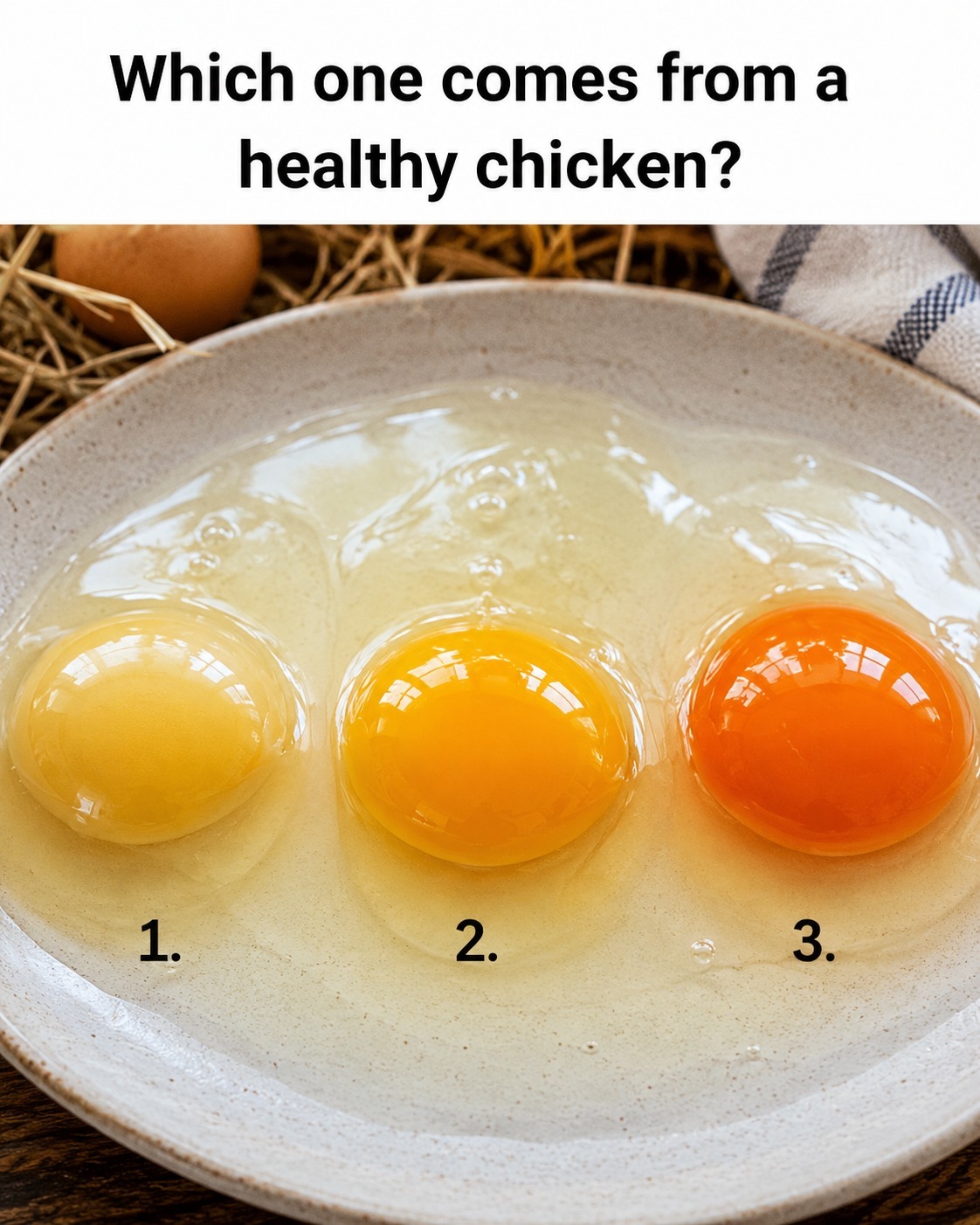
When looking at the variations in your kitchen, yolks generally fall into three broad categories:
1. The Pale Yellow Tone
A light, pale yellow hue is incredibly common in standard commercial grocery options. This coloration is typically associated with a specific type of diet.
2. The Classic Golden Yellow Tone
This middle-ground shade represents a well-balanced diet. It is a very familiar sight for consumers who purchase standard or slightly upgraded varieties from regional farms.
3. The Deep Amber or Orange Tone
A striking, reddish-orange shade often surprises consumers. It looks rich and distinct, leading many to believe it holds a secret formula for exceptional quality.
The Core Question: Which One is the Natural Choice?
To put it simply: All three can come from perfectly normal, properly cared-for animals. A common misconception is that a pale center indicates an unhealthy or poorly treated animal, while a deep orange center signals a premium, superior life. In reality, the shade is primarily determined by what the animal eats, not its overall wellness level.
The Science Behind the Shade: Carotenoids
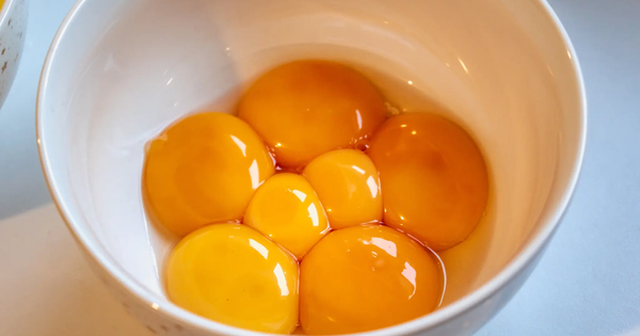
The magic behind the coloration lies in a group of natural pigments called carotenoids. These are the same pigments responsible for the bright colors in carrots, pumpkins, tomatoes, and autumn leaves.
Animals cannot produce carotenoids on their own. Therefore, the pigments present in their food supply are absorbed and transferred directly into the yolk.
| Dietary Source |
Primary Pigments |
Resulting Shade |
| Yellow Corn, Alfalfa |
Lutein and Zeaxanthin |
Classic Golden Yellow |
| Wheat, Barley |
Low Carotenoids |
Pale, Light Yellow |
| Marigold Petals, Red Peppers, Algae |
Capsanthin, Canthaxanthin |
Deep Amber / Vibrant Orange |
The Role of the Diet
-
Wheat and Barley Diets: In regions like parts of Europe or Western Canada, where the primary animal feed consists of wheat or barley rather than corn, the centers are naturally very pale. This is entirely normal and represents a standard, wholesome diet for that region.
-
Corn-Based Diets: In regions where yellow corn is the staple feed ingredient, the centers take on a traditional golden hue due to the moderate levels of natural pigments in the corn grains.
-
Pigment-Rich Diets: When the diet is supplemented with natural ingredients like marigold extract, alfalfa meal, or red bell pepper powder, the shade shifts dramatically toward a deep orange.
Does Color Impact Nutritional Value?
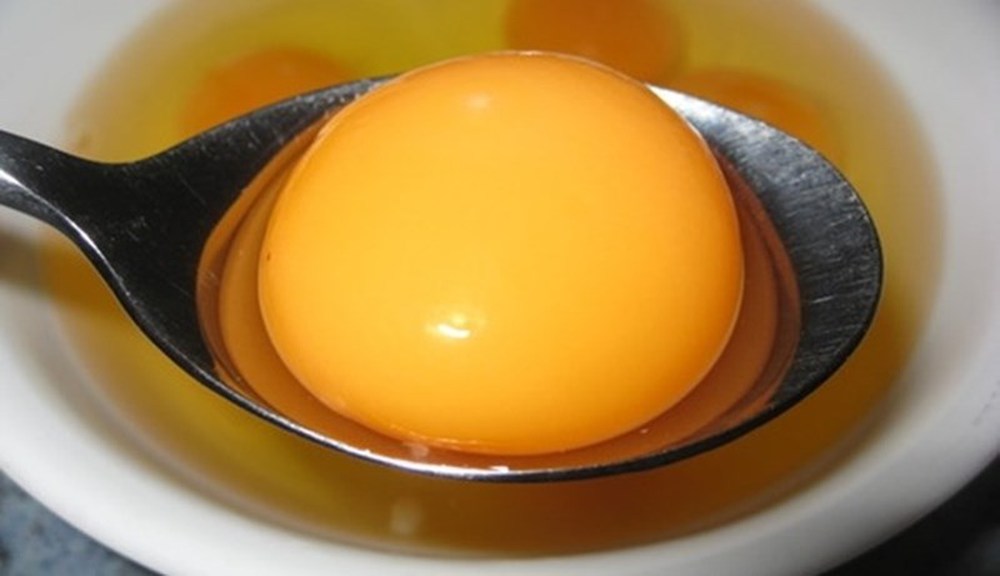
Many consumers wonder if the deep orange variety contains significantly more macro-nutrients than its pale counterpart.
Independent food laboratories and agricultural studies show that the core nutritional profile—including the amounts of protein, total fat, water content, and essential minerals—remains virtually identical across all color variations.
Key Distinction: The only slight variation involves specific micronutrients. A deeper color indicates a higher presence of antioxidant compounds like lutein and zeaxanthin. While these antioxidants are excellent additions to your daily intake, the difference in everyday functional value between the shades is minimal. All variations offer an excellent source of high-quality protein and essential lipids.
Debunking Common Kitchen Myths
To make informed choices at the grocery store or local market, it helps to separate marketing narratives from biological facts.
Myth 1: Deep Orange Means 100% Free-Range
While animals that roam freely outdoors often consume wild plants, grass, and insects rich in natural pigments, this is not the only way to achieve a deep shade. Large-scale producers can easily adjust feed formulas by adding natural marigold or pepper extracts to achieve that exact same amber look indoors. Therefore, color alone is not a guarantee of outdoor roaming.
Myth 2: Pale Centers Mean Poor Care
As established by regional agricultural standards, a pale center is simply a reflection of a grain diet based on wheat or white corn. It does not indicate a lack of care, poor environment, or lower food safety standards.
Myth 3: Darker Shades Taste Much Better
Taste is highly subjective and heavily influenced by visual expectations. In blind taste tests, most consumers find it difficult to distinguish a difference in flavor based solely on the shade. The perceived richness of a darker center is often a psychological response to the vibrant appearance on the plate.
How Agricultural Labels Connect to the Plate
When browsing the dairy aisle, understanding production labels can help you predict what you might find inside the shell.
Conventional Production
Standard commercial operations focus on balanced, efficient grain diets. These usually yield consistent, classic golden-yellow or pale-yellow centers, depending on regional grain availability.
Free-Roaming and Pasture-Raised Systems
Animals raised with access to pastures have a varied diet that includes fresh vegetation and insects. Because their food intake fluctuates with the seasons and plant availability, these options often display a more vibrant, deep golden or orange center, particularly during the warmer months of the year.
Organic Alternatives
Organic certification focuses on the source of the feed (non-GMO, pesticide-free grains). The color itself will still depend entirely on whether the organic feed relies on pale grains or pigment-rich ingredients.
Summary for the Smart Consumer
When choosing your food, remember these simple takeaways:
-
Color reflects diet, not status: The shade tells a story about what the animal ate, not necessarily how premium its lifestyle was.
-
Consistency vs. Variety: Standard options offer uniform, predictable colors, while pasture-raised options naturally vary throughout the year.
-
Focus on freshness: The structural integrity of the food—such as a firm, plump center and thick whites—is a much better indicator of freshness than the specific shade of yellow or orange.
The next time you prepare a meal, you can appreciate the visual variety on your plate knowing that nature provides a beautiful spectrum of perfectly wonderful options to enjoy.