The Hidden Mechanics of Nighttime Xerostomia
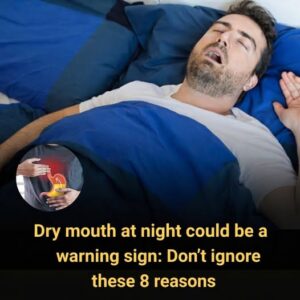
Waking up with a parched throat can feel incredibly uncomfortable. While occasional thirst after a spicy dinner is completely normal, experiencing a persistent lack of moisture when you wake up is a physiological shift that warrants closer attention. In clinical terms, chronic oral dryness is known as xerostomia. It occurs when your salivary glands fail to produce an adequate amount of fluid to keep the oral tissues properly lubricated.
Saliva is not merely water; it is a complex biological fluid rich in enzymes, antimicrobial proteins, and minerals. During sleep, your body naturally dials down salivary production. However, when additional internal or external factors suppress this flow even further, you lose a critical defensive shield. Understanding why this happens requires looking beyond the basic need for a glass of water and examining the systemic, structural, and behavioral factors that disrupt your body’s natural balance while you rest.

Why Nighttime Oral Dryness Demands Attention
Many people dismiss a lack of oral moisture as a minor, passing inconvenience. In reality, sustained dryness during sleep leaves your teeth and gums highly vulnerable. Without the natural flushing action of fluid, food particles and microscopic debris remain trapped in the oral cavity. This creates an ideal environment for harmful elements to multiply rapidly.
Over time, an unmitigated lack of moisture can lead to a cascade of dental concerns, including accelerated enamel erosion, structural breakdown of the teeth, and irritation of the soft tissues. Beyond dental health, fluid plays an essential role in the initial stages of digestion and ensures smooth, comfortable speech. When the oral environment remains chronically dry for hours every night, it can serve as an early indicator that an underlying bodily system requires evaluation.
8 Hidden Factors Behind Nighttime Oral Dryness
1. Chronic Dehydration and Fluid Imbalance
The most straightforward reason for a lack of moisture is an insufficient baseline of fluids. If your net intake of pure water throughout the day fails to offset the volume your body loses through natural processes like respiration, perspiration, and elimination, your system will prioritize vital organs. Consequently, fluid production in the oral cavity drops significantly. When you enter sleep in this depleted state, the natural nighttime dip in fluid secretion becomes far more pronounced, leaving your tissues completely parched by morning.
2. Pharmaceutical Side Effects
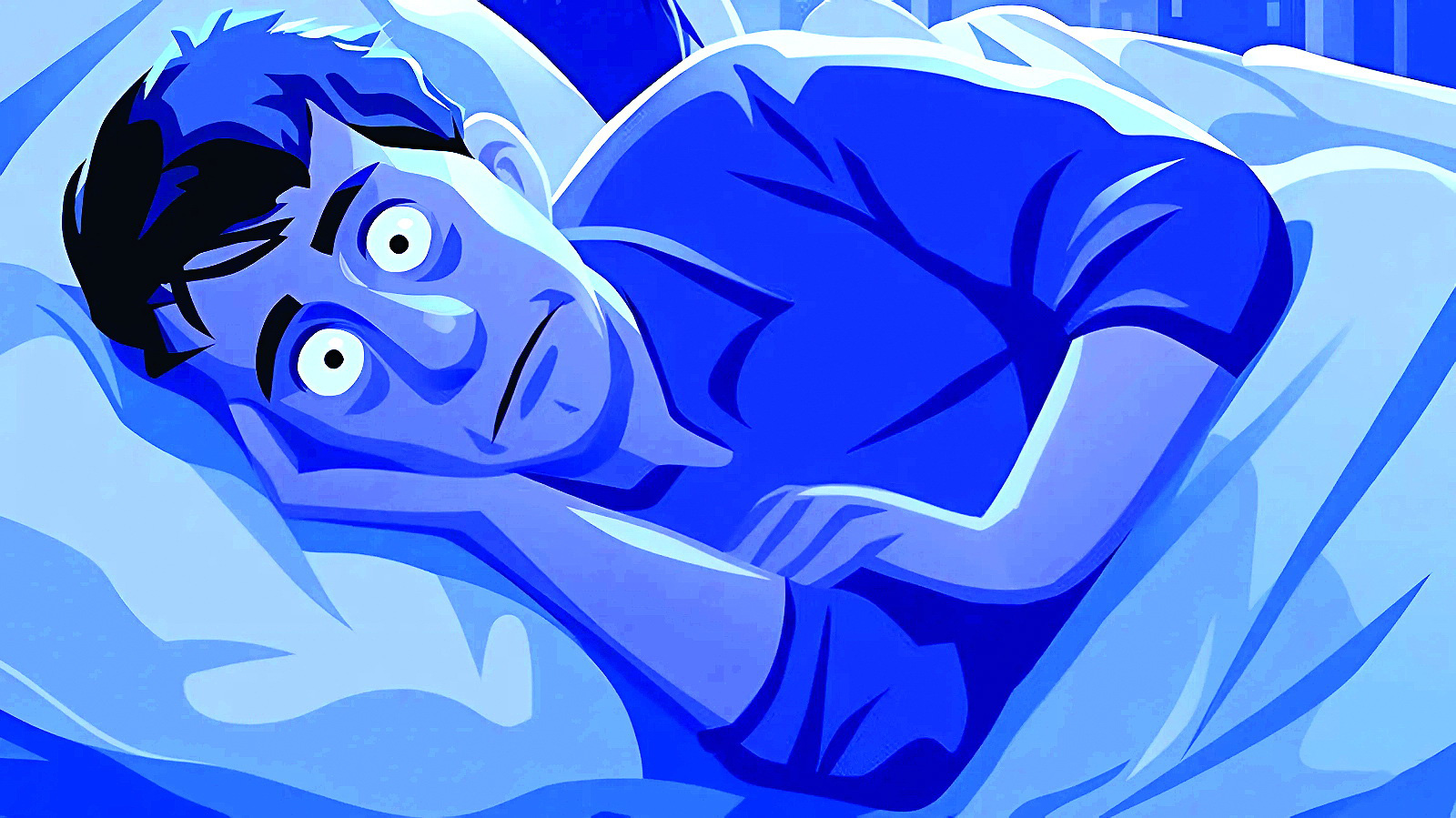
A vast array of everyday wellness and therapeutic management options carry the unintended consequence of suppressing fluid production. When multiple options are utilized simultaneously, the likelihood of experiencing oral dryness escalates dramatically.
-
Antihistamines and Decongestants: Frequently utilized to manage seasonal sensitivities or nasal irritation, these options work by drying up mucus production, but they concurrently block the signals that tell your salivary glands to produce moisture.
-
Blood Pressure Management: Certain options designed to regulate cardiovascular pressure and fluid balance can inadvertently reduce oral fluid production.
-
Mental Well-being Support: Formulations engineered to balance mood, ease tension, or support emotional equilibrium frequently interfere with the neural pathways responsible for stimulating the salivary glands.
3. Structural Nasal Blockages
The human respiratory system is naturally optimized for nasal breathing, which warms and humidifies incoming air. However, physical barriers such as a deviated septum, nasal polyps, or chronic inflammation of the sinus passages can severely restrict airflow. When your nasal passages are blocked, your body automatically switches to oral breathing as a survival mechanism. This continuous stream of unhumidified air passing over your oral tissues throughout the night rapidly evaporates any available fluid, leaving your mouth thoroughly dried out.
4. Environmental Triggers (Dry Air and Climate)
The air quality within your sleeping environment plays a massive role in maintaining tissue moisture. During colder seasons, artificial heating systems strip moisture from indoor spaces, leaving the air exceptionally dry. Similarly, running air conditioning units continuously during warmer periods lowers ambient humidity. Breathing this dry air for seven to eight hours straight strips moisture from your lips, tongue, and throat, accelerating the onset of nighttime dryness.
5. Sleep Apnea and Heavy Snoring
Frequent, heavy snoring or periods of disrupted breathing during sleep are major contributors to oral dryness. Snoring forces the mouth to remain open, exposing the delicate interior tissues to a constant, turbulent flow of air. Furthermore, conditions like obstructive sleep apnea—where breathing repeatedly stops and starts—frequently compel an individual to gasp for air through the mouth, thoroughly parrying away any protective layers of fluid.
6. Autoimmune Conditions (e.g., Sjögren’s Syndrome)
In some instances, persistent dryness is tied to an underlying systemic issue where the body’s internal defenses mistakenly target its own moisture-producing zones. A prime example is Sjögren’s syndrome, a condition explicitly characterized by localized changes in the salivary and lacrimal glands. When these areas experience sustained cellular changes, their physical capacity to generate fluid drops sharply, leading to severe, chronic dryness in both the mouth and the eyes.
7. Metabolic Shifts and Blood Sugar Variances
When the body struggles to efficiently manage blood sugar levels, glucose accumulates within the bloodstream. To flush out this excess, the kidneys labor excessively to filter and eliminate fluid, resulting in frequent urination. This systemic loss of water triggers a state of deep, internal dehydration. If you experience fluctuating metabolic markers, waking up with extreme thirst and a completely dry oral cavity is a classic warning sign that your fluid regulation systems are under strain.
8. Lifestyle and Dietary Habits
What you consume in the hours leading up to rest heavily dictates how your body manages moisture overnight.
-
Caffeine Consumption: Enjoying rich brews or specialized teas late in the afternoon introduces elements that naturally encourage fluid elimination, reducing overall hydration levels before sleep.
-
Evening Drinks: Unwinding with an adult beverage might induce drowsiness, but it disrupts sleep architecture and acts as a significant drying agent for oral tissues.
-
Tobacco Use: Incorporating tobacco products slows down the natural rate of fluid flow and irritates the delicate lining of the mouth, aggravating dry conditions.
Practical Protocols to Restoring Nighttime Moisture
Transforming your sleep quality and protecting your oral wellness requires a combination of deliberate environmental adjustments and daily habit shifts.
Optimize Your Sleep Sanctuary
To combat the drying effects of climate control, place a high-quality cool-mist humidifier directly in your bedroom. Aim to maintain an indoor humidity level between 40% and 50% to prevent the air from stealing moisture from your airways. Additionally, keep your sleeping space at a comfortably cool temperature to minimize nighttime sweating and subsequent fluid loss.
Revamp Your Hydration Habits
Focus on consuming clean, pure water consistently throughout the day rather than chugging large amounts right before bed, which can disrupt your sleep cycle with bathroom trips. Keep an insulated tumbler of cool water on your nightstand so you can easily take small sips if you happen to wake up during the night.
Refine Your Oral Care Ritual
Evaluate the products you use before going to sleep. Many standard over-the-counter options contain alcohol or harsh foaming agents that actively strip away moisture and irritate delicate tissues. Switch to mild, alcohol-free mouthwashes and toothpastes specifically formulated to soothe dry conditions. Applying a dedicated oral hydrating gel or utilizing specialized lozenges designed for nighttime use can help stimulate fluid flow and coat your mouth while you rest.
When to Seek Professional Guidance
While lifestyle adjustments can resolve occasional dryness, chronic oral dryness requires a professional evaluation. You should schedule a comprehensive checkup with your healthcare provider or dentist if you encounter any of the following warning signs:
-
Persistent oral dryness that does not improve after two to three weeks of consistent hydration and environmental changes.
-
Difficulty swallowing food, chewing, or speaking comfortably due to a lack of lubrication.
-
The development of painful oral sores, deep cracks at the corners of your mouth, or a raw, burning sensation on your tongue.
-
Frequent nighttime awakenings paired with gasping for air, choking sensations, or loud, disruptive snoring.
-
Concurrent symptoms such as chronic dry eyes, joint stiffness, or an unusually frequent need to urinate throughout the night.
A qualified professional can accurately pinpoint the root cause of your symptoms, review your current management plan, and provide target solutions to safeguard your long-term health and wellness.