The Ultimate Guide to Women’s Intimate Health: Understanding Natural Scents, Changes, and Best Care Practices
The Ultimate Guide to Women’s Intimate Health: Understanding Natural Scents, Changes, and Best Care Practices
The human body is an incredible, self-regulating ecosystem, and intimate health is no exception. Yet, for many women, changes in natural body scents or the appearance of unusual discharge can trigger immediate worry or embarrassment. Online clickbait often exploits these anxieties with sensationalized headlines and overly dramatic imagery, fueling unnecessary panic and spreading misinformation.
In reality, a woman’s intimate area has its own unique, healthy profile that naturally fluctuates throughout the month. Understanding what is completely normal versus what might actually warrant a quick checkup is the first step toward body confidence and proactive health management.
This comprehensive guide breaks down the science of intimate health, explores the primary factors that influence bodily changes, outlines best daily care practices, and helps you identify when it is truly time to consult a healthcare professional.

What Does Healthy Actually Mean?
Before addressing specific concerns, it is essential to demystify what a healthy intimate environment looks and smells like. A completely odorless intimate area is a myth perpetuated by aggressive marketing for unnecessary hygiene products.
The Role of Natural Flora
The intimate area houses a complex community of microorganisms, primarily a beneficial type of bacteria known as Lactobacillus. This friendly bacteria acts as a natural shield, producing lactic acid to keep the local environment slightly acidic. This acidic barrier is crucial because it discourages the overgrowth of less helpful microbes, keeping the entire system balanced and resilient.
The Typical Baseline
Because of this natural acidity, a healthy baseline scent is often described as slightly tangy, musky, or similar to sourdough bread. It is typically mild and not noticeable through clothing.
Furthermore, clear or milky white discharge is a perfectly normal mechanism the body uses to self-clean, lubricate, and flush out dead cells. The consistency and volume of this fluid change dynamically depending on where a woman is in her monthly cycle, her hydration levels, and her physical activity.
4 Common Reasons for Changes in Intimate Scent and Comfort
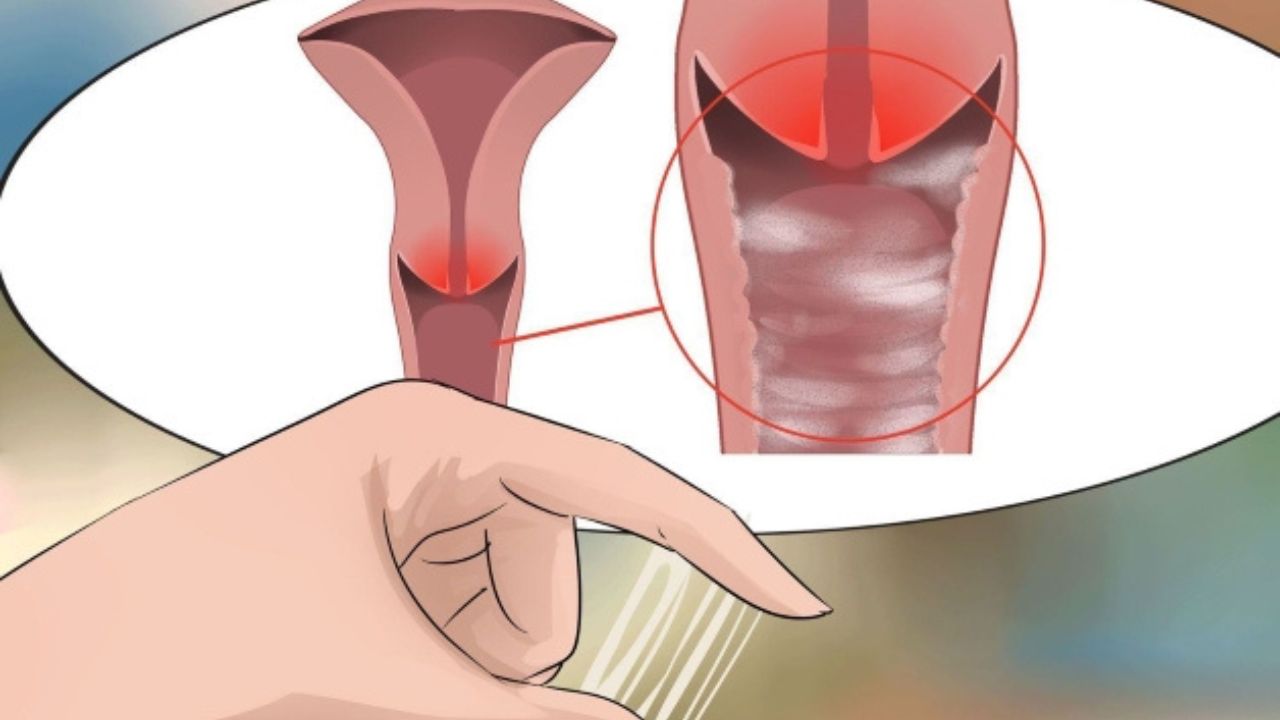
When a noticeable shift occurs, it is rarely a reason to panic. Most changes point back to a few common, highly manageable factors. Here are four primary reasons behind these shifts:
1. Fluctuating Intimate Microbiome Balance
The delicate equilibrium between beneficial and opportunistic microorganisms can sometimes be disrupted. When the natural acidity drops, certain organisms can overmultiply.
-
The Signs: This imbalance often manifests as a more pronounced, sharp, or fishy scent, frequently accompanied by an increase in thin, grayish-white or watery discharge.
-
The Triggers: Simple things like hormonal shifts, recent antibiotic use, or even trace residues from certain body washes can alter the local pH enough to trigger this imbalance.
2. Natural Hormonal Cycles and Lifestyle Factors
A woman’s body undergoes continuous hormonal shifts every single month. These fluctuations directly impact the volume, texture, and subtle scent of natural fluids.
-
The Menstrual Cycle: Right before and after a period, the scent may take on a slightly metallic note due to the presence of iron in blood. During ovulation, discharge typically becomes thicker and more abundant, which is a sign of peak fertility, not an issue.
-
Sweat and Friction: The pelvic region contains a high concentration of apocrine sweat glands. Intense workouts, long hours of sitting, or wearing tight synthetic fabrics can trap sweat and moisture, creating a temporary, heavy musk that is entirely external.
3. Everyday Hygiene Missteps

Ironically, the products marketed to make women feel “fresher” are often the primary culprits behind irritation and unusual scents.
-
Internal Washing (Douching): The internal canal is entirely self-cleaning. Using water, soaps, or specialized kits internally strips away the protective Lactobacillus bacteria, leaving the area vulnerable to irritation and odor-causing imbalances.
-
Harsh Topical Products: Bubble baths, heavily fragranced body washes, and scented menstrual products can disrupt the delicate external skin barrier, leading to redness, itching, and secondary scent changes.
4. Common Localized Overgrowths
An overgrowth of naturally occurring organisms can happen to anyone and is a very standard part of life.
-
Yeast Variations: A common fungal overgrowth can occur when moisture becomes trapped or the immune system is slightly stressed. This typically results in thick, white, clumped discharge (resembling cottage cheese). While it rarely creates a strong odor, it is well-known for causing intense itching and localized redness.
Best Practices for Daily Intimate Care
Maintaining optimal comfort and balance relies on simple, gentle habits rather than complex multi-step routines.
| Care Aspect |
Recommended Practice |
What to Avoid |
| Washing Technique |
Use plain warm water or a very mild, fragrance-free cleanser exclusively on the external area. |
Internal washing (douching) or using heavily perfumed soaps. |
| Clothing Choices |
Opt for breathable, moisture-wicking fabrics like 100% cotton underwear. |
Wearing tight synthetic materials, tight jeans, or wet workout gear for extended periods. |
| Menstrual Hygiene |
Change tampons, pads, or menstrual cups regularly (every 4–6 hours depending on flow). |
Using scented pads, scented tampons, or leaving products in for too long. |
| Post-Activity Care |
Rinse off and change into fresh, dry clothes immediately after intense exercise or swimming. |
Sitting in damp clothing, which creates a warm, moist breeding ground for imbalances. |
When to Seek Professional Guidance
While many minor shifts resolve on their own with proper hygiene adjustments, certain signs indicate it is time to consult a healthcare provider for targeted advice.
Key Indicators for a Medical Consultation:
-
A persistent, strong, or highly unusual scent that doesn’t improve after a few days of gentle care.
-
Significant changes in discharge color, such as a distinct yellowish-green, thick gray, or frothy texture.
-
Continuous localized itching, burning during urination, or visible redness and swelling.
-
Unexplained pelvic discomfort or pain during intimate moments.
A qualified professional can quickly pinpoint the exact cause of your discomfort and provide straightforward, effective solutions, saving you time, money, and unnecessary worry.
Empowering Your Wellness Journey
Navigating intimate health should never be driven by shame, fear, or misleading online graphics. Your body is a highly capable system that communicates its needs through subtle changes. By understanding the normal variations of your cycle, practicing gentle daily hygiene, and rejecting the myth of a completely scentless body, you can support your physical well-being with confidence and clarity.