
What Happens To Your Body When You Eat Purslane Every Day — Especially After 60
Purslane may look like an ordinary wild plant, but in many countries it has long been valued as a nutrient-rich…
26/05/2026 16:14
Mobility is one of the most cherished aspects of adulthood. The ability to grab your keys, step into your vehicle, and drive wherever you want represents freedom, independence, and self-reliance. For generations, obtaining a driver’s license has been a major milestone, and maintaining that license into your later years is often seen as a symbol of continued vitality.
However, as demographic patterns shift and communities experience an increase in the number of older motorists, regulatory frameworks are evolving. The intersection of mature driving habits, public safety, and updated legislative guidelines has become a central topic of discussion worldwide. Across various regions, news regarding changes to licensing criteria for individuals over a certain age—often highlighted as 70 years old—has sparked widespread conversations.
This comprehensive guide explores the reality behind changing road regulations for older adults, separating myth from fact, analyzing the physical aspects of mature driving, and offering actionable advice on how seniors can maintain their independence safely and legally.

In the digital age, social media feeds and online forums are frequently filled with attention-grabbing notices regarding older motorists. Graphics claiming “sad news” or implying complete bans for individuals over 70 often circulate widely. It is vital to approach these claims with an objective mindset.
The Fact: There is no global, blanket ban that prevents individuals over the age of 70 from operating a motor vehicle. Licensing authority remains decentralized, managed by local, state, or national transport departments rather than a single universal entity.
Instead of total restrictions, what most regions are implementing are updated assessment procedures. These measures are not designed to eliminate independence but rather to verify that every person on the road possesses the necessary visual, cognitive, and physical capabilities to operate a vehicle safely.

To understand how these policies impact you or your family members, it is helpful to look at how different jurisdictions manage licenses for older populations:
Renewed Frequency Requirements: In many areas, once a motorist reaches a milestone age (such as 65, 70, or 75), the duration of license validity shortens. Instead of a ten-year renewal cycle, individuals may need to renew every two to five years.
Mandatory Self-Declarations: Certain countries require motorists over 70 to submit a simple self-assessment medical form confirming they do not suffer from medical conditions that could impair their control of a vehicle.
Vision Testing: Regular eye examinations become mandatory during renewals in many states and countries to ensure that night vision, peripheral awareness, and depth perception remain adequate for changing traffic conditions.
As the human body matures, gradual physical shifts occur naturally. Acknowledging these changes is a healthy part of maintaining personal safety and the welfare of everyone sharing the road.
Driving is a complex, multi-tasking activity. It requires processing visual inputs, managing speed, predicting the movements of other motorists, and reacting to signs simultaneously.
With age, split-second decision-making in high-density environments—such as busy highway intersections or complex roundabouts—can become more demanding. Modern regulatory updates aim to provide a supportive framework, ensuring that individuals are aware of their current processing limits before encountering stressful road scenarios.

The most effective way to ensure long-term access to transportation is through proactive health management. Regular check-ins with medical professionals can help catch minor physical shifts before they impact your daily routines.
Annual Vision Appointments: Ensure your prescription lenses are completely optimized for both daytime and low-light conditions.
Physical Activity: Engaging in low-impact exercises, such as swimming, walking, or yoga, helps maintain the flexibility needed for quick physical movements behind the wheel.
Medication Awareness: Always review medication labels with a pharmacist to guarantee that none of your routines induce unexpected drowsiness or affect your concentration levels.
Modern automotive engineering offers incredible tools that greatly assist older motorists in remaining comfortable and secure while operating a vehicle:
Blind-Spot Monitoring Systems: Visual and audible alerts reduce the need for extreme neck rotation when switching lanes.
Lane Departure Warnings: Subtle vibrations or alerts help keep the vehicle safely centered within its lane boundaries.
Automatic Emergency Braking: Supplementary assistance that acts as a safety cushion if a vehicle ahead stops abruptly.
Enhanced Ergonomics: Choosing vehicles with elevated seating positions, large dashboards, and intuitive controls simplifies physical operation.
If a time comes when an individual chooses to reduce their time on the road, or step away from driving entirely, it does not mean an end to social connections or personal freedom. Today’s communities feature more diverse transport alternatives than ever before.
Community Shuttles: Many local municipal councils offer complimentary or low-cost shuttle services tailored specifically for seniors visiting shopping districts, medical centers, or social events.
Digital Ride-Hailing Apps: User-friendly smartphone applications allow individuals to request personalized transportation right to their doorstep within minutes, removing the stress of parking and vehicle upkeep.
Peer Networks and Family Sharing: Organizing scheduled outings with friends, neighbors, or relatives turns routine errands into pleasant social experiences.
The conversation surrounding senior motorists is not about restriction; it is about preservation, care, and adapting to the natural progressions of life. By understanding local regulations, staying proactive with health assessments, and utilizing modern automotive tools, mature drivers can enjoy many miles of safe, fulfilling journeys. Keeping open communication lines among family members ensures that every decision made prioritizes personal well-being and community peace of mind.
Purslane may look like an ordinary wild plant, but in many countries it has long been valued as a nutrient-rich…

Seniors Behind the Wheel: Navigating Modern Road Regulations Introduction: The Evolving Landscape of Senior Transportation Mobility is one of the…

The Breaking Point: When Love Means Letting Go The morning sun cast long shadows across the suburban landscape of Millfield…
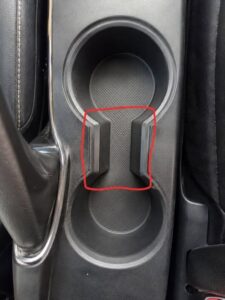
Every modern vehicle is packed with subtle design features engineered to make daily commuting seamless. While many components like steering…

The search for the origins of neurodevelopmental variations has led researchers deep into the prenatal environment. Recently, social media channels…
The Hidden Dashboard Icon Most People Misuse Every single day, millions of individuals step into their vehicles, turn the key…