
The Ultimate Guide to the Benefits of a Weekly Foot Soak
The Ultimate Guide to the Benefits of a Weekly Foot Soak Have you ever considered the impact that a simple…
25/05/2026 15:36
Losing someone close to you brings a wave of intense emotion, making even the simplest daily tasks feel heavy and overwhelming. In the difficult days following a loss, families face the daunting responsibility of managing their late family member’s estate, organizing personal spaces, and sorting through a lifetime of accumulated possessions.
During this sensitive time, it is common to experience a strong urge to tidy up or clear out physical spaces quickly. For some, clearing a room is a way to manage deep sadness; for others, the sight of a departed relative’s personal items can cause overwhelming pain. However, making quick decisions during early grief often leads to deep regret later on.
While certain ordinary household items can eventually be donated, recycled, or passed along to others, specific categories of items must be protected. These include vital legal records required to settle financial affairs, as well as deeply personal keepsakes that carry irreplaceable family history.
To help guide you through this difficult process without making irreversible mistakes, here are five essential things you should never throw away immediately after losing a loved one.

The most critical items to secure immediately are formal legal documents and official identification records. Before any personal property can be distributed or household matters resolved, an estate must pass through proper administrative or legal channels. Missing documentation can cause major delays, financial complications, and unnecessary stress.
Keep these essential records in a secure, organized file box:
Certified Certificates: Keep multiple official copies of the official certificate confirming the passing, as financial institutions, government agencies, and utility providers will require them.
Government Identification: Do not discard passports, driver’s licenses, birth certificates, marriage certificates, or military discharge papers.
Estate Instructions: Locate the original copy of the last will, trust documents, or any formal paperwork naming executors or beneficiaries.
Why this matters: Government agencies and financial groups require original or certified copies of these documents to prevent fraud and verify legal authority. Keep these records secure for several years, even after the estate is completely settled.

Closing out a person’s financial footprint takes time and careful attention to detail. Throwing away financial correspondence or property records too soon can make it difficult to determine what the estate owns or owes.
Make sure to look for and preserve:
Real Estate Records: Property deeds, mortgage statements, land titles, and current property tax bills.
Vehicle Ownership: Physical titles and registration papers for cars, trucks, motorcycles, or boats.
Financial Records: Recent statements from bank accounts, retirement funds, investment accounts, and insurance policies.
Tax History: Tax returns and supporting forms from the past three to five years, as a final tax return must still be filed on behalf of the individual.
Why this matters: An executor needs a clear picture of all assets and liabilities to resolve outstanding balances and transfer ownership correctly. Discarding a vehicle title or property deed can result in expensive, lengthy court processes to obtain replacements.
In our modern digital world, handwritten items have become rare and deeply meaningful treasures. A person’s handwriting carries a unique personal touch, reflecting their personality, mood, and presence in a way that typed text never can.
Be sure to preserve:
Personal Letters: Correspondence exchanged with family members, old love letters, or postcards from family travels.
Daily Journals: Private diaries, notebooks, or travel journals that offer a look into their life stories and personal thoughts.
Simple Notes: Holiday cards with personal messages, recipes written by hand, or short notes left on the kitchen counter.
Why this matters: During early grief, reading these items might feel too painful. However, months or years down the road, these handwritten words often become deeply comforted connections to the past. They offer future generations a direct, authentic link to their family history.
Photographs offer a visual history of a person’s life journey, capturing moments of joy, major milestones, and everyday memories. In the rush to organize a home, boxes of loose photos or old media formats are sometimes viewed as clutter, but they are completely irreplaceable.
Before changing or reducing a photo collection, look for:
Vintage Photo Albums: Family photo albums, loose printed pictures, and historical portraits.
Physical Film: Unprocessed film rolls, negatives, and photographic slides.
Older Media Formats: Home videos on VHS tapes, camcorder cassettes, or old digital storage drives.
Why this matters: Printed photos and old home videos can be easily converted into digital formats later on. Services can clean, restore, and digitize delicate film, allowing you to share family memories safely with relatives around the world. Once a unique photograph is thrown away, that visual memory is gone forever.
When sorting through a closet, it is practical to donate standard business wear, unworn shoes, or duplicate casual clothes. However, you should avoid clearing out the wardrobe entirely without saving a few special items.
Consider keeping a small selection of deeply personal pieces:
Favorite Clothing: A specific jacket, a well-worn sweater, or a shirt they wore often.
Daily Accessories: A watch worn every day, a favorite pair of glasses, a signature wallet, or a piece of jewelry.
Unique Keepsakes: A favorite coffee mug, a hand-carved tool, or a book they read over and over again.
Why this matters: The objects a person used every day carry strong memories. Many families find comfort in keeping a favorite piece of clothing that still holds a familiar scent, or repurposing special fabrics into a memory quilt or keepsake cushion. These items serve as gentle, tangible reminders of the love and moments shared together.
Managing a late family member’s belongings is an emotional journey that requires patience and time. There is no need to finish everything in a single weekend.
Grief Support Note:
Give yourself permission to pause. If looking through a specific box causes too much distress, tape it shut, label it "Review Later," and place it in a safe storage space. Time brings clarity, making it easier to decide what to keep.
When you feel ready to sort through household items, using a simple category system can help keep you organized and focused:
| Category | Recommended Action | Best Suited For |
| Keep Safely | Place in a secure file box or memory chest. | Legal paperwork, financial records, photos, letters, jewelry. |
| Share with Family | Offer items directly to relatives or close friends. | Family heirlooms, specific book collections, hobby equipment. |
| Community Donation | Give to local shelters, libraries, or charities. | Standard clothing, functional furniture, unused kitchenware. |
| Pause & Decide | Store safely and re-evaluate in six months. | Items that cause mixed feelings or deep emotional pain. |
If you find large items—like a favorite armchair, a large musical instrument, or an extensive hobby collection—that you cannot store due to limited space, consider taking a high-quality photograph of the item. You can paste the picture into a memory book alongside a written story about what that object meant to your loved one. This allows you to preserve the meaningful story and memory without needing the physical space to store the object itself.
You do not have to go through this process alone. Invite a supportive friend or family member who can offer a helping hand and emotional support. A trusted companion can assist with heavy lifting, handle administrative tasks, and provide a steady, comforting presence as you honor your loved one’s memory.
The Ultimate Guide to the Benefits of a Weekly Foot Soak Have you ever considered the impact that a simple…
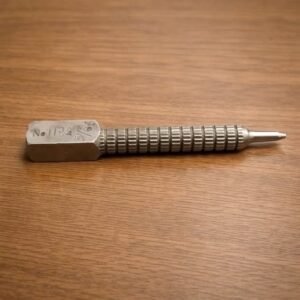
Common “Mystery Relics” Decoded Object What It Is Why It Faded Butter mold with flower imprint Wooden press for shaping…

Funerals are moments filled with grief, shock, and emotional vulnerability, yet many people unintentionally say things they believe are comforting…
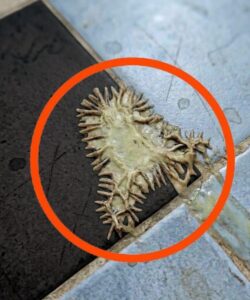
The Viral Bathroom Creature: Separating Fact From Fiction Social media is no stranger to “clickbait” images designed to leave you…

Is That Potato Safe? Cutting into a fresh spud only to discover a dark, shadowy circle lurking inside is an…

5 Things You Should Never Throw Away After a Loved One Dies Losing someone close to you brings a wave…